If kidney infections keep coming back, there is usually a reason, and finding it matters. Common causes include a kidney stone, a blockage that stops urine from draining, an infection that was never fully cleared, a structural problem in the urinary tract, and conditions such as diabetes that make infections harder to fight.
One kidney infection can happen to anyone, but repeat infections deserve a closer look because each one can damage kidney tissue. This guide explains the likely causes, which tests help, who to see, and what you can do. If this is your first infection, start with our overview of what causes kidney infections.
Key Takeaways
- Repeat kidney infections often point to a fixable cause, such as a stone, blockage, or incomplete treatment.
- Diabetes, a weak immune system, and trouble emptying the bladder raise the risk.
- Tests usually include urine cultures, blood tests, and imaging.
- A kidney specialist (nephrologist) or urologist can find the cause and plan prevention.
- Finishing every antibiotic dose and treating the underlying cause are the best ways to prevent a repeat.
What Counts as a Recurrent Kidney Infection?
There is no single rule, but doctors take notice when you have had more than one kidney infection in a year, or when an infection returns soon after treatment. They also pay close attention when a person has had both kidney infections and frequent bladder infections.
The Merck Manual notes that people who have frequent episodes of kidney infection, or whose infection returns after antibiotic treatment is finished, may be advised to take a different antibiotic on a long-term basis to prevent recurring infection. That decision should follow a search for the cause.
Why Do Kidney Infections Keep Coming Back?
Several things can lead to repeat infections:
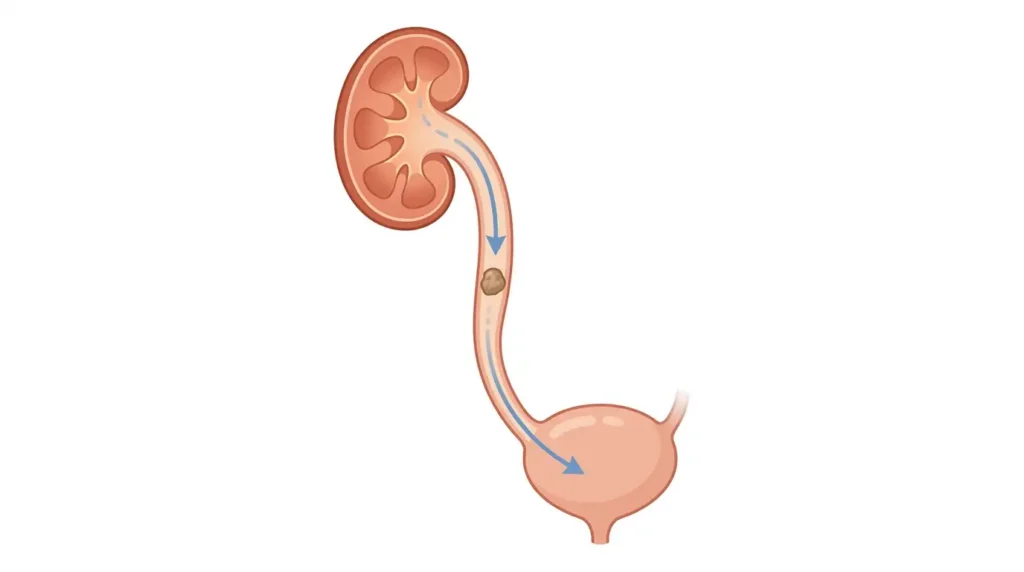
- Kidney stones. Stones can trap bacteria and block urine. Infected stones may need to be removed before the infection will clear. Learn how the two conditions overlap in kidney stones vs kidney infection.
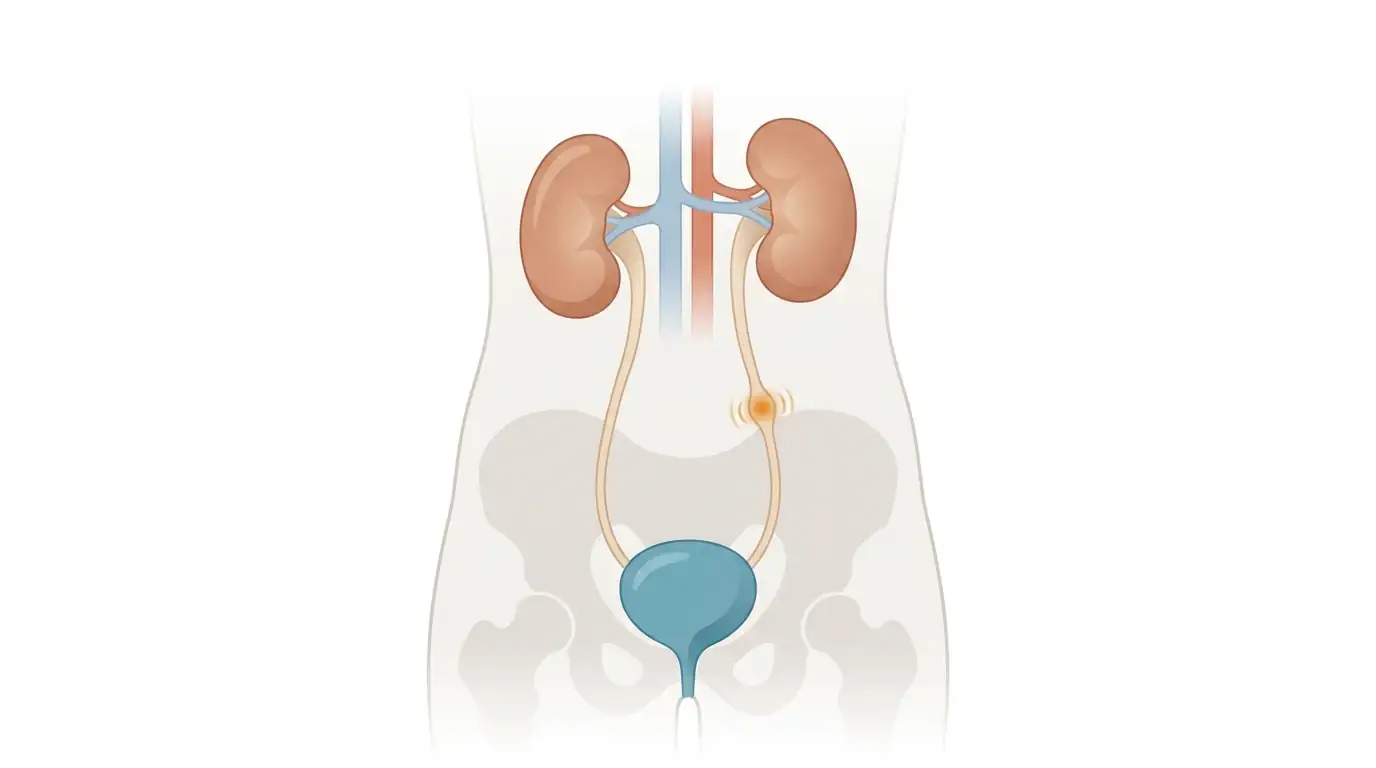
- Blockage or narrowing. An enlarged prostate, a narrowed ureter, or a tumor can keep urine from draining.
- Structural differences. Some people are born with differences, such as urine flowing backward from the bladder toward the kidneys (reflux), which raise the risk.
- Incomplete bladder emptying. Nerve problems, spinal cord injury, or other conditions can leave urine in the bladder, and bacteria grow in it.
- Infection that was never fully cleared. A short or missed antibiotic course, or bacteria that resist the medicine, can lead to a relapse.
- Diabetes. High blood sugar weakens defenses and can damage nerves in the bladder. Our article on how diabetes harms your kidneys explains the link.
- A weakened immune system. Some illnesses and medicines make it harder to fight bacteria.
- Catheters and urinary devices. These can carry bacteria into the urinary tract.
- Pregnancy and menopause. Hormone and anatomy changes can raise the risk.
How Do Doctors Find the Cause of Repeat Kidney Infections?
Your doctor will review your history and likely order a few tests:
- Urine culture each time. It confirms the infection and shows whether the same bacteria keep returning, or whether resistant bacteria are involved.
- Blood tests. They check infection markers, blood sugar, and kidney function.
- Imaging. An ultrasound or CT scan can find stones, blockages, scars, or structural differences.
- Further tests. A urologist may look inside the bladder with a small camera or check how well you empty your bladder.
For how the first tests work, see the diagnosis section of our kidney infection treatment guide.
Who Should You See for Repeat Kidney Infections?
Start with your primary care clinician, who can order the first tests. A kidney specialist (nephrologist) focuses on how infections affect kidney function and treats related problems such as stones, high blood pressure, and chronic kidney disease. A urologist focuses on the urinary tract and can treat blockages and structural problems, and the two often work together.
If you are not sure which specialist you need, our guides on when to see a kidney doctor and on whether a kidney doctor is the same as a nephrologist can help.

How Are Recurrent Kidney Infections Treated and Prevented?
Treatment has two parts: clear the current infection and fix the cause. For the antibiotic side, see our kidney infection treatment guide. For the cause, your doctor may recommend removing a stone, relieving a blockage, or treating an enlarged prostate. Your doctor may also suggest a low-dose antibiotic for a period of time to prevent more infections, a decision that depends on your situation.
If your infections keep returning, these steps matter most:
- Ask for a urine culture each time symptoms return, so the bacteria and the best medicine are known
- Ask whether imaging is needed to look for a stone, blockage, or scarring
- Keep diabetes and blood pressure well controlled
- Ask about a referral to a nephrologist or urologist if infections return more than once in a year
For everyday habits that lower risk in general, see what causes kidney infections and how to prevent them.
Cleveland Clinic lists blockage, your anatomy, and other conditions among the risk factors for kidney infection, which is why a full evaluation after repeat infections is worthwhile.
When Should You Get Urgent Help?
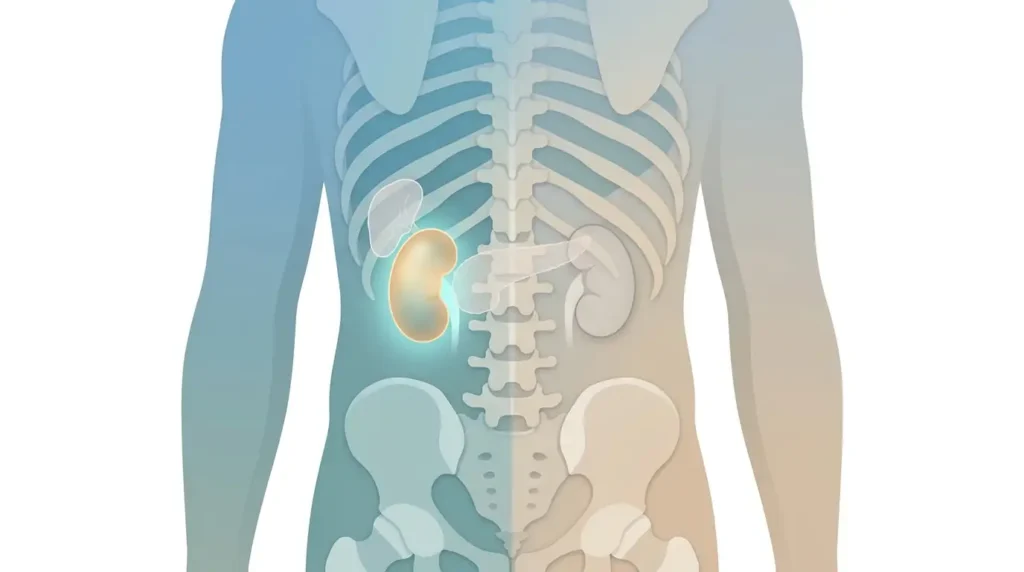
Treat these signs as an emergency: high fever with shaking chills, confusion, fainting, a very fast heartbeat, severe pain with vomiting, or very little urine. Go to the emergency room or call 911. For less urgent symptoms that return after treatment, call your doctor the same day. Our guide on how long a kidney infection lasts can help you tell a slow recovery from a relapse. Flank pain does not always come from the kidney, and our guides to right kidney pain and left kidney pain list the look-alike causes on each side.
What Should You Track Between Infections?
A simple log can help your doctor see a pattern that is easy to miss:
- The date each infection started and when it ended
- Your symptoms and highest fever each time
- The antibiotic, the dose length, and whether you finished it
- Urine culture results and which bacteria were found
- Any known triggers, such as new sexual partners, travel, dehydration, or a recent procedure
If the same bacteria return soon after treatment, that suggests a relapse. If different bacteria appear each time, new infections may be starting from the bladder.
What Should You Ask About Repeat Infections?
- Do I need imaging to look for stones, a blockage, or a structural problem?
- Should I see a kidney specialist or a urologist?
- Do my diabetes or blood pressure numbers need to be tighter?
- Would a preventive antibiotic make sense for me, and what are the risks?
- How will we know if my kidneys have been affected?
Talk to ANC About Repeat Kidney Infections
If you have had more than one kidney infection, our nephrologists can help look for the cause and plan how to protect your kidneys. Call 651-772-6251 or contact our team online.
Frequently Asked Questions
Why do I keep getting kidney infections?
Common reasons include kidney stones, a urine blockage, an infection that was not fully cleared, a structural difference in the urinary tract, diabetes, and a weak immune system.
Can repeat kidney infections damage the kidneys?
Yes. Each infection can leave scarring in the kidney, and repeated infections can add up and reduce kidney function over time, so finding the cause is important.
Are repeat kidney infections a sign of kidney disease?
Not always, but they can be linked. Repeat infections can come from, or lead to, kidney damage. Blood and urine tests can show how well your kidneys are working.
What tests are done for recurrent kidney infections?
Doctors usually order a urine culture, blood tests, and imaging such as an ultrasound or CT scan. A urologist may add tests that look at the bladder.
Can I prevent kidney infections from coming back?
Often yes. Finishing antibiotics, treating stones or blockages, controlling diabetes, staying hydrated, and treating bladder infections early all lower the risk.
Sources
Medical Disclaimer
This article is for general educational purposes only and is not a substitute for professional medical advice, diagnosis, or treatment. Always consult a qualified healthcare provider with questions about your specific care and treatment options. If you think you may be having a medical emergency, call 911.