Usually, no. Chronic kidney disease (CKD) rarely causes back pain by itself. Most people with early or moderate CKD feel no pain at all. When someone with kidney disease has back pain, the cause is often something else, such as a muscle or spine problem, or a kidney condition that brings its own pain, such as an infection, a stone, or large cysts.
That is good news for many people, but it also means back pain should not be ignored if it comes with other warning signs. This guide explains when kidney disease and back pain are linked, what else can cause it, and when to see a doctor. If you want to compare kidney and back pain more directly, read kidney pain vs back pain.
Key Takeaways
- Most chronic kidney disease does not cause back pain, and early CKD often has no symptoms.
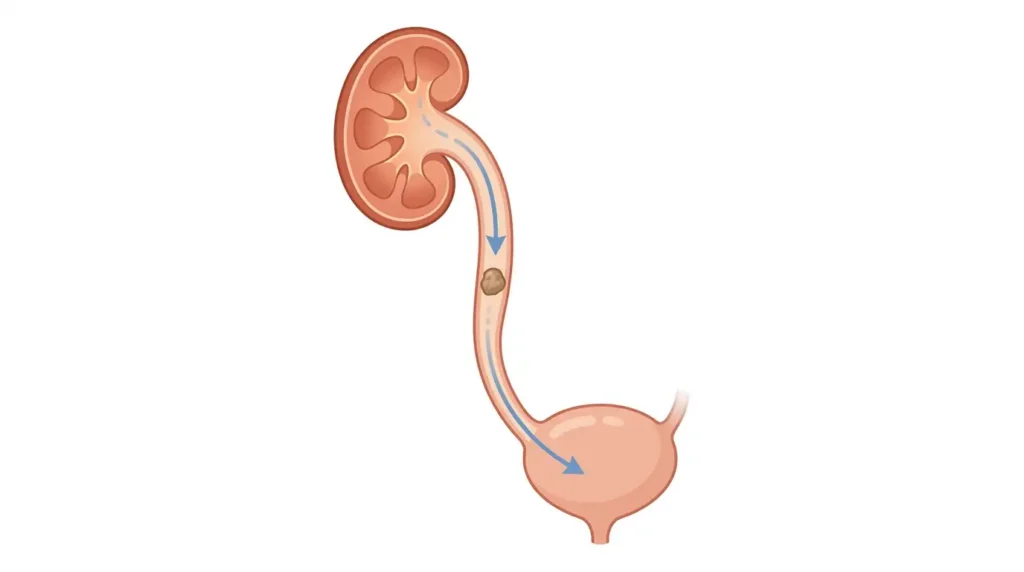
- Pain is more likely when there is a kidney infection, a blockage or stone, or polycystic kidney disease.
- People with CKD can also have bone and muscle pain from changes in minerals and bone health.
- Back pain in someone with CKD is often not from the kidneys, but it should still be checked if it is new or severe.
- Avoid ibuprofen and naproxen for back pain unless your doctor says they are safe for you.
Does Chronic Kidney Disease Cause Back Pain?
In most cases, no. The National Kidney Foundation addresses this common myth directly. In its myths about kidney disease article, a kidney specialist explains that back pain may come from kidney disease if you have an infection or a blockage of the kidneys, and that other forms of kidney disease rarely cause back pain. The most common cause of back pain is a problem in the muscles or spine, not the kidneys.
The kidney can feel pain mainly when its outer covering stretches, which happens with swelling from infection or blockage. Slow, silent damage from conditions such as diabetes or high blood pressure usually does not do that. This is why many people do not know they have CKD until a blood or urine test shows it. Our guide to CKD stages and treatment explains how the disease progresses.
Why Does Kidney-Related Pain Show Up High on the Back?
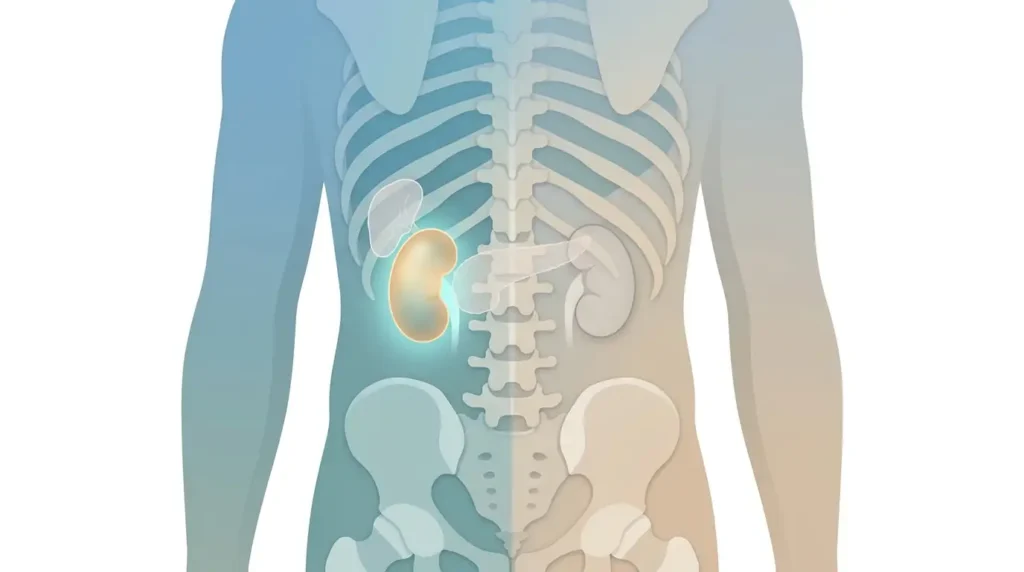
When kidney problems do cause pain, it is usually felt in the flank, high on the back beneath the ribs on one or both sides, rather than in the lower back near the hips. It often feels like a deep, dull ache and may spread to the side or belly. The American Kidney Fund notes that kidney pain is often confused with back pain because of where the kidneys sit. Our guide on where kidney pain is located shows the area on a body map.
What Kidney Conditions Can Cause Back or Flank Pain?
If you have kidney disease and back or flank pain, these kidney-related causes are worth knowing:
- Kidney infection. Brings flank pain, fever, and chills.
- Kidney stones or a blockage. Cause strong pain that can come in waves.
- Polycystic kidney disease. Cysts can enlarge the kidneys and cause aching or pressure in the back and sides. See our overview of kidney cysts and our guide to polycystic kidney disease treatment options.
- Bleeding into a cyst or injury. Can cause sudden pain, sometimes with blood in the urine.
Can Advanced Kidney Disease Cause Bone and Muscle Pain?
Yes, in a different way. As kidney function falls, the body can struggle to balance calcium, phosphorus, and vitamin D. Over time this can weaken bones and cause bone or joint pain, including in the back. Muscle cramps and aches can also occur with fluid and mineral shifts. This pain comes from bones and muscles, not from the kidney tissue.
If you have advanced CKD, ask your care team about your mineral and bone health. Our guide to managing potassium and phosphorus explains why those numbers matter, and our article on stage 3 kidney disease shows how the stages differ.
What Else Can Cause Back Pain if You Have Kidney Disease?
Many people with CKD have back pain for the same reasons as everyone else:
- Muscle strain or a pulled muscle
- Arthritis or age-related spine changes
- A pinched nerve or disc problem
- Poor posture, long sitting, or a poor mattress
- Pain in the organs near the kidneys, such as the pancreas or colon
Pain from these causes often changes with movement, gets better with rest or heat, and is tender when you press on the muscle. Kidney pain usually does not change much with position.
If your pain is on one side, our guides to right kidney pain and left kidney pain explain the other organs that can cause it.
Is It Safe to Take Pain Relievers for Back Pain With Kidney Disease?
Be careful. Common over-the-counter pain relievers called NSAIDs, such as ibuprofen and naproxen, can reduce blood flow to the kidneys and may harm kidney function, especially if you already have CKD. Do not start them without asking your doctor or kidney specialist. Safer options may include acetaminophen when used as directed, heat, gentle movement, and physical therapy. Read our guide to pain relievers and your kidneys before you reach for the medicine cabinet.
When Should You See a Doctor About Back Pain With Kidney Disease?
Call your doctor soon if you have:
- New back or flank pain that lasts more than a few days
- Back pain with fever, chills, or burning when you urinate
- Back pain with swelling, much less urine than usual, or blood in the urine
- Pain that keeps you awake at night or does not ease with rest
Get emergency care for:
- Severe pain that comes in waves, with vomiting
- Pain with high fever and shaking chills
- Back pain with new weakness or numbness in the legs, or loss of bladder or bowel control
What Are Safer Ways to Ease Back Pain When You Have Kidney Disease?
Talk with your care team first, because the right plan depends on your stage of kidney disease. Options that are often kinder to the kidneys include:
- Gentle heat, such as a warm pack on a low setting
- Light stretching and walking, as your doctor allows
- Physical therapy for posture, strength, and flexibility
- Better sleep positions and a supportive chair
- Acetaminophen at the dose your doctor approves
What Should You Ask Your Care Team?
- Is my back pain likely related to my kidneys?
- Do my labs show a problem with calcium, phosphorus, or vitamin D?
- Which pain relievers are safe for my stage of kidney disease?
- Do I need imaging of my kidneys or my spine?
- When should I call you about new pain?
Talk to ANC About Kidney Disease and Back Pain
If you have kidney disease and new back pain, or you are not sure whether your pain comes from your kidneys, our team can help sort it out. Call 651-772-6251 or contact our team online.
Frequently Asked Questions
Can kidney disease cause lower back pain?
Not usually. Most chronic kidney disease is painless. Kidney pain is typically felt higher in the flank, and lower back pain is more often from muscles or the spine.
What does kidney-related pain feel like in someone with CKD?
When it happens, it is usually a dull, deep ache in the flank, high on the back under the ribs, on one or both sides. It may spread toward the belly, and it often comes with fever, urinary changes, or blood in the urine.
Does polycystic kidney disease cause back pain?
It can. Cysts can enlarge the kidneys and cause aching, pressure, or sharp pain in the back and sides. Infection, bleeding, or stones in the kidney can make it worse.
Can I take ibuprofen for back pain if I have CKD?
Ask your doctor first. Ibuprofen and similar NSAIDs can harm the kidneys, especially with CKD. Your care team can suggest safer options.
How do I know if my back pain is from my kidneys?
Kidney pain is deeper, higher under the ribs, and does not change much with movement. It often comes with fever, urinary changes, or blood in the urine. A doctor can confirm the cause.
Sources
Medical Disclaimer
This article is for general educational purposes only and is not a substitute for professional medical advice, diagnosis, or treatment. Always consult a qualified healthcare provider with questions about your specific care and treatment options. If you think you may be having a medical emergency, call 911.