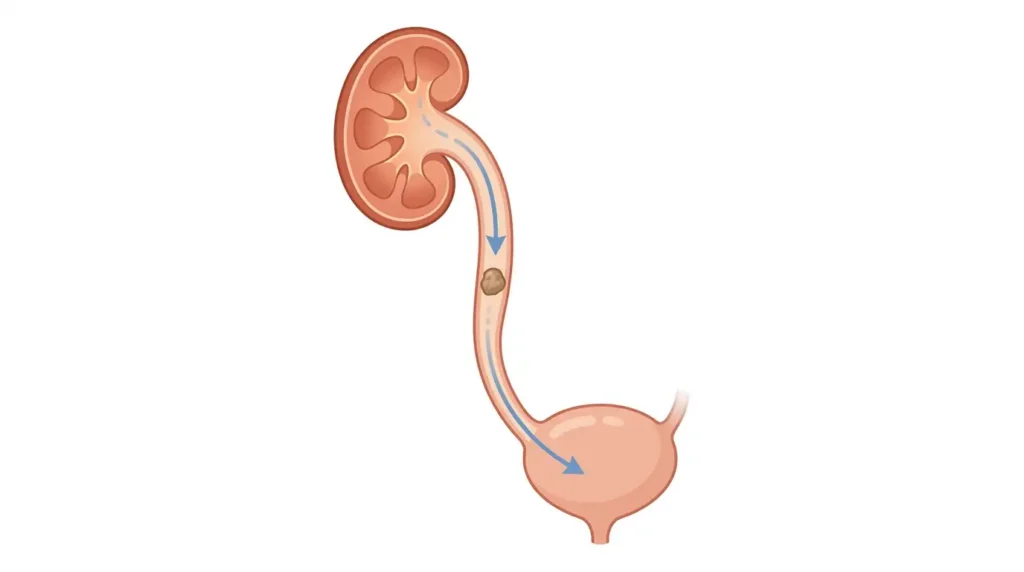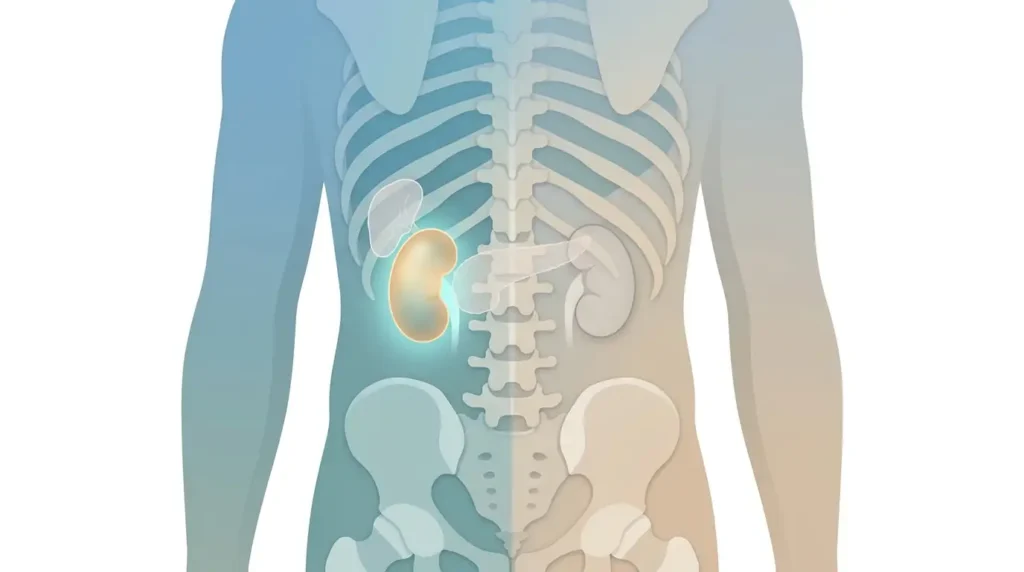
Most people with a kidney infection start to feel better within a few days of starting antibiotics, but full recovery usually takes one to two weeks, and some cases take longer. How fast you improve depends on how early you were treated, which antibiotic you take, and whether something else, such as a kidney stone, is getting in the way.
A kidney infection, also called pyelonephritis, is a bacterial infection that usually travels up from the bladder into one or both kidneys. It is less common than a bladder infection, but it is more serious. This guide explains a realistic recovery timeline, what slows healing, and when to call a doctor. If you are still deciding whether your symptoms point to a kidney infection, start with our guide to kidney infection symptoms.
Key Takeaways
- With treatment, many people feel better in a few days, but you still need to finish every dose of your antibiotic.
- Full recovery often takes one to two weeks. Infections that are harder to treat can take several weeks.
- A kidney infection does not reliably clear up on its own, and waiting can let the infection spread.
- Missed doses, a blockage, diabetes, and a weak immune system can slow recovery.
- Call your doctor if you are not improving after 2 to 3 days, and get emergency care for high fever with confusion, fainting, or vomiting that keeps you from taking fluids or pills.
How Long Does a Kidney Infection Last With Treatment?
With the right antibiotic, you can expect to feel noticeably better in a few days. According to Cleveland Clinic, you can start to feel better in a few days, but you still need to finish the full course, and an infection that is harder to treat can last several weeks.
Antibiotic courses for a kidney infection often run one to two weeks, and your clinician sets the exact length based on your situation. Feeling better does not mean the bacteria are gone. Stopping early is one of the most common reasons an infection returns or comes back stronger.
The Merck Manual notes that most people recover fully. The key is starting treatment early and completing it.
Kidney infections are less common than bladder infections. Cleveland Clinic reports that about 1 in 2,000 people in the U.S. get one each year. That means most people have never gone through this before, so it helps to know what a normal recovery looks like.
What Does a Typical Kidney Infection Recovery Timeline Look Like?
Every person recovers at a different pace, so treat the table below as a general pattern and not a promise.
| Time after starting treatment | What many people notice |
|---|---|
| Days 1 to 3 | Fever and chills begin to ease. Flank pain and nausea may improve slowly. You may still feel very tired. |
| Days 4 to 7 | Pain and urinary symptoms keep improving. Appetite and energy start to return. |
| Week 2 | Most people finish the antibiotic course and feel close to normal, although tiredness can linger. |
| After week 2 | Mild fatigue may last a little longer. Fever, pain, or urinary symptoms that return need a call to your doctor. |
People who need to be treated in the hospital with intravenous (IV) antibiotics often start with a few days of IV treatment and then switch to pills. Their overall recovery can take longer because they were sicker to begin with.
Can a Kidney Infection Go Away on Its Own?
It is not safe to count on that. A mild bladder irritation can sometimes settle by itself, but a kidney infection involves the kidney tissue itself and can spread into the bloodstream. Without antibiotics, the infection can get worse and can damage the kidney.
If you think you have a kidney infection, see a doctor the same day if you can. Our article on how serious a kidney infection is explains the warning signs that should never wait. If you are unsure whether your symptoms come from the bladder or the kidney, read kidney infection vs UTI for the key differences.
What Can Slow Down Kidney Infection Recovery?
If you are not improving as expected, one of these factors may be involved:
- Missed or stopped doses. Skipping pills lets bacteria survive and regrow.
- An antibiotic that does not match the bacteria. A urine culture can show which antibiotic works best, and your doctor may change the medicine based on the result.
- A blockage. A kidney stone, an enlarged prostate, or a structural problem can trap urine and keep the infection going. Our guide on kidney stones vs kidney infection explains how the two can overlap.
- Diabetes or a weak immune system. Both make infections harder to clear.
- Dehydration or vomiting. If you cannot keep pills or fluids down, the antibiotic may not work as intended and you may need IV treatment.
- Pregnancy or older age. These situations call for closer follow-up.
If you have had an infection before, understanding the cause matters. Our overview of what causes kidney infections covers common triggers and prevention steps.
What Should You Do While You Recover?
Simple steps can protect your recovery:
- Take every dose on schedule, even after you feel well.
- Drink fluids as your doctor advises. People with heart or advanced kidney conditions sometimes need fluid limits, so ask before you push extra water.
- Rest, especially during the first few days.
- Ask your doctor before taking ibuprofen or naproxen. These pain relievers can strain the kidneys, and acetaminophen is often the safer first choice. Our guide on pain relievers and your kidneys explains why.
- A warm heating pad on a low setting may ease flank discomfort. Never fall asleep on it.
- Keep every follow-up visit. For the medicines, tests, and care plan behind your recovery, see kidney infection treatment and what patients should expect.

When Should You Call a Doctor or Go to the ER?
Call your doctor the same day if:
- You are not clearly better after 2 to 3 days of antibiotics
- Your fever or flank pain returns or gets worse
- You cannot keep your pills or fluids down
- You develop a rash, severe diarrhea, or other new symptoms after starting the antibiotic
Go to the emergency room or call 911 if you have:
- High fever with shaking chills
- Confusion, fainting, or extreme weakness
- A fast heartbeat or trouble breathing
- Very little urine, or vomiting that will not stop
These can be signs that the infection has reached the bloodstream, which needs urgent treatment.
Talk to ANC About Kidney Infections
If your kidney infections keep coming back, or you are not sure why you got one, our team can help you look for the cause. Call 651-772-6251 or contact our team online.
Frequently Asked Questions
How soon do antibiotics start working for a kidney infection?
Many people notice less fever and pain within a few days of starting the right antibiotic. If you feel no better after 2 to 3 days, call your doctor, because the medicine may need to change.
Can I go to work or school with a kidney infection?
Most people need to rest during the first days, especially with a fever. Ask your doctor when it is safe to return, based on how you feel and what your job or school requires.
How do I know my kidney infection is gone?
Your fever, flank pain, and urinary symptoms fade and you finish the full antibiotic course. In some cases, such as pregnancy or repeat infections, your doctor may recheck a urine sample.
Can a kidney infection come back after treatment?
Yes. It can return if the cause, such as a stone or a blockage, is still there, or if the infection was not fully cleared. If infections keep coming back, ask your doctor to look for the cause.
How long does a kidney infection last without antibiotics?
There is no safe timeline. An untreated kidney infection can spread to the bloodstream and harm the kidneys, so see a doctor as soon as you suspect one.
Sources
Medical Disclaimer
This article is for general educational purposes only and is not a substitute for professional medical advice, diagnosis, or treatment. Always consult a qualified healthcare provider with questions about your specific care and treatment options. If you think you may be having a medical emergency, call 911.