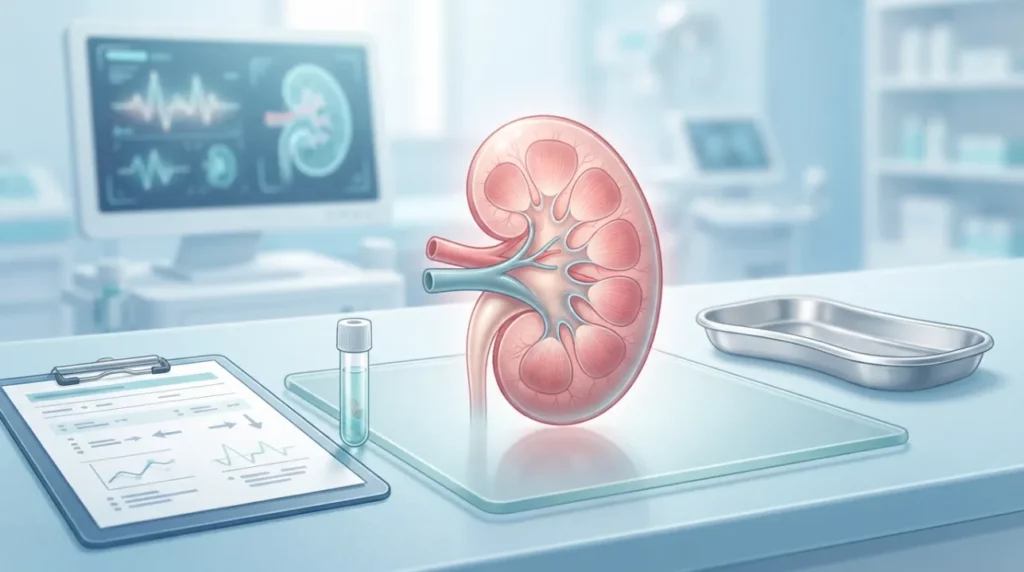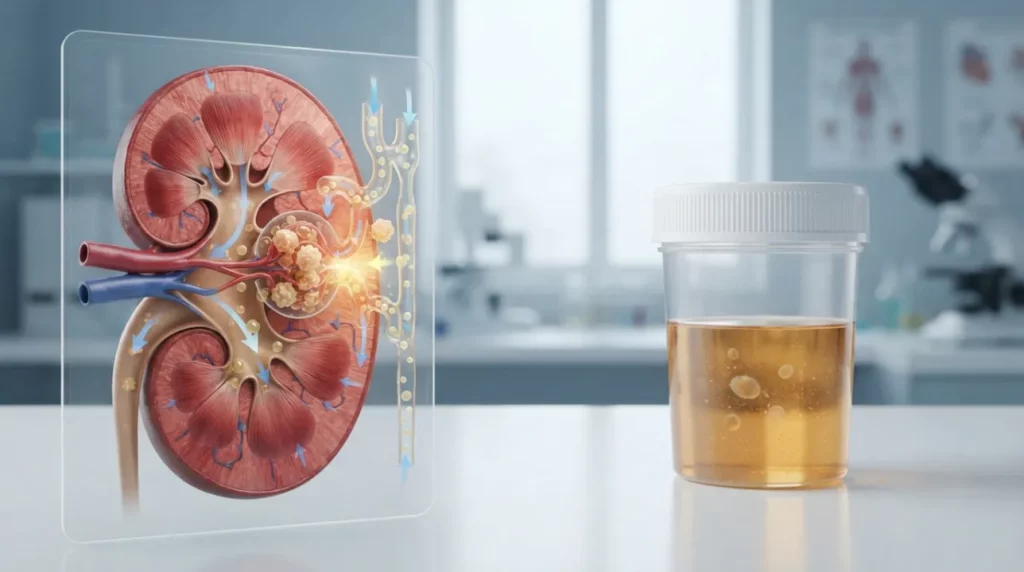

When kidneys are working properly, they quietly keep potassium and phosphorus levels balanced without you ever thinking about it. Once kidney function declines, that balance can tip in ways that genuinely affect how you feel, which is why diet becomes a more active part of managing kidney disease.
Key Takeaways
- Damaged kidneys struggle to remove excess potassium and phosphorus, allowing both to build up in the blood.
- High potassium can affect heart rhythm, while high phosphorus can weaken bones over time.
- Common high-potassium foods include bananas, oranges, potatoes, and tomatoes.
- Phosphorus hides in many processed foods and sodas, often listed as an additive rather than “phosphorus.”
- A renal dietitian can help build a plan specific to your lab values rather than a generic list.
Why Do Potassium and Phosphorus Need Special Attention in Kidney Disease?
Healthy kidneys filter excess potassium and phosphorus out of the blood and into the urine every day. As kidney function declines, that filtering process becomes less efficient, allowing both minerals to build up to levels the body isn’t designed to handle.
This isn’t usually a concern in the earliest stages of chronic kidney disease, but it becomes more relevant as CKD progresses toward stage 3 and beyond, which is why a nephrologist starts monitoring these levels more closely at that point.
What Happens When Potassium Gets Too High?
Potassium plays a direct role in how your heart muscle contracts, so elevated levels, a condition called hyperkalemia, can cause an irregular heartbeat. In more severe cases, very high potassium can become a medical emergency.
Mild hyperkalemia often causes no noticeable symptoms at all, which is exactly why routine blood testing matters more than waiting to feel unwell. When symptoms do appear, they can include muscle weakness, fatigue, or a fluttering sensation in the chest.
What Happens When Phosphorus Gets Too High?
Excess phosphorus doesn’t just stay in the blood, it pulls calcium out of your bones to try to rebalance itself, which can weaken bone structure over time. High phosphorus is also linked to hardening of the blood vessels, adding cardiovascular risk on top of the bone-related concerns.
Because phosphorus imbalance develops gradually, many people don’t notice symptoms until levels have been elevated for a while, making regular lab monitoring the main way it’s caught early.
Which Foods Are High in Potassium?
Some of the most common high-potassium foods include bananas, oranges and orange juice, potatoes, tomatoes and tomato sauce, and dried fruits like raisins and apricots. Many salt substitutes also use potassium chloride in place of sodium, which can be an easy source to overlook.
Lower-potassium alternatives often exist for the same food category, apples or berries in place of bananas or oranges, for example, which is part of why an individualized plan works better than a blanket “avoid this food group” approach.
Which Foods Are High in Phosphorus?
Phosphorus shows up heavily in dairy products, nuts, seeds, and whole grains, but some of the highest concentrations come from processed foods. Many colas, packaged baked goods, and processed meats contain added phosphorus that is absorbed by the body more easily than the phosphorus naturally found in whole foods.
Reading ingredient labels for words containing “phos,” like phosphoric acid or sodium phosphate, can help identify these additive sources, which often aren’t obvious from a food’s taste or appearance.
How Can a Renal Dietitian Help?
A renal dietitian builds a plan around your specific lab values, medications, and other health conditions rather than a generic list of foods to avoid. This matters because potassium and phosphorus limits are not one-size-fits-all, someone in earlier-stage CKD may need far less restriction than someone approaching dialysis.
For general day-to-day habits alongside dietary management, ANC’s broader CKD management tips cover blood pressure, hydration, and medication routines that work together with a kidney-friendly diet.
Frequently Asked Questions
How do I know if my potassium or phosphorus levels are too high?
The only reliable way to know is through routine blood testing, since mild elevations often cause no symptoms. Your nephrologist will typically check these levels as part of regular CKD monitoring, especially from stage 3 onward.
Can I still eat fruit if I have kidney disease?
Yes, in most cases. Many fruits are lower in potassium, including apples, berries, and grapes, and can be enjoyed as part of a kidney-friendly diet. Your dietitian can help identify which specific fruits fit your individual limits.
Are phosphorus binders the same as a low-phosphorus diet?
No. Phosphorus binders are medications taken with meals that reduce how much phosphorus the body absorbs from food, they work alongside dietary changes rather than replacing them entirely.
Does cooking food reduce its potassium content?
Boiling certain vegetables, like potatoes, in a large volume of water can reduce their potassium content somewhat, a technique sometimes called leaching. It doesn’t eliminate potassium entirely, but it can meaningfully lower it for some foods.
How Can You Spot Hidden Sources on a Nutrition Label?
Added phosphorus is required to be listed in the ingredients of packaged food, but it rarely appears as the word “phosphorus” itself. Instead, look for ingredient names containing “phos,” such as phosphoric acid, sodium phosphate, or calcium phosphate, all of which indicate added phosphorus your body absorbs more easily than the phosphorus found naturally in whole foods.
Potassium is a bit more visible, since it’s increasingly listed on the standard nutrition facts panel alongside sodium. Comparing potassium per serving across similar products, two brands of bread or crackers, for example, can reveal meaningful differences that aren’t obvious just from taste or appearance.
Frequently Asked Questions
How do I know if my potassium or phosphorus levels are too high?
The only reliable way to know is through routine blood testing, since mild elevations often cause no symptoms. Your nephrologist will typically check these levels as part of regular CKD monitoring, especially from stage 3 onward.
Can I still eat fruit if I have kidney disease?
Yes, in most cases. Many fruits are lower in potassium, including apples, berries, and grapes, and can be enjoyed as part of a kidney-friendly diet. Your dietitian can help identify which specific fruits fit your individual limits.
Are phosphorus binders the same as a low-phosphorus diet?
No. Phosphorus binders are medications taken with meals that reduce how much phosphorus the body absorbs from food, they work alongside dietary changes rather than replacing them entirely.
Does cooking food reduce its potassium content?
Boiling certain vegetables, like potatoes, in a large volume of water can reduce their potassium content somewhat, a technique sometimes called leaching. It doesn’t eliminate potassium entirely, but it can meaningfully lower it for some foods.
Do I need to limit potassium and phosphorus in every stage of CKD?
Not necessarily. Restriction needs typically increase as kidney function declines, so someone in early-stage CKD may need little to no restriction, while someone in later stages usually needs closer management.
Is sodium the same concern as potassium and phosphorus?
No, sodium is managed for different reasons, mainly blood pressure and fluid retention, though a kidney-friendly diet typically addresses all three together. Your dietitian can help you understand how they interact in your specific meal plan.
Talk to ANC About Your Kidney-Friendly Diet
If you have questions about managing potassium, phosphorus, or any other part of a kidney-friendly diet, ANC’s nephrology and dietitian team can build a plan around your specific lab values. Contact ANC to get started.
Medical Disclaimer
This article is for general educational purposes only and is not a substitute for professional medical advice, diagnosis, or treatment. Always consult a qualified healthcare provider before making changes to your diet.