
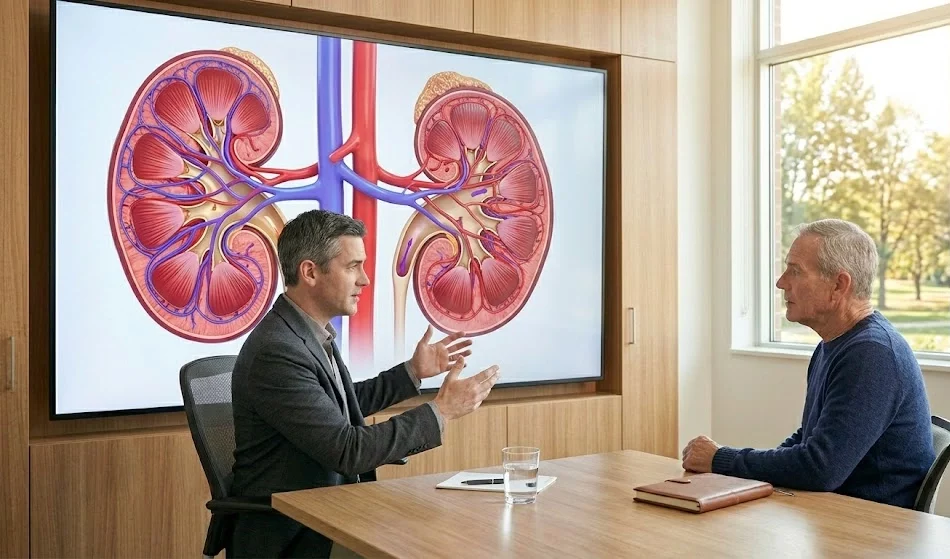
Introduction to the World of Specialized Kidney Care
Many people wonder what happens when a routine checkup shows a change in their laboratory numbers. It is common to ask what a referral to a specialist truly means for your everyday life. Hearing a new, unfamiliar medical term can quickly cause a lot of worry and stress.
This can feel confusing because the human body relies on so many interconnected systems to stay healthy. However, learning about nephrology can help you understand the vital role these dedicated experts play in your wellness. Gaining clear facts allows you to approach your appointments with total peace of mind.
Your body requires a highly sophisticated internal balancing act to keep you feeling energized, strong, and active. When the delicate systems responsible for cleaning your blood experience stress, a specialized guide can make all the difference. Recognizing when to partner with an expert is a beautiful way to take charge of your future health.
We want to reassure you that visiting a specialist is a very positive, proactive step for your body. Our team is here to translate complex medical tracking into clear, everyday choices that support your longevity. Learning about this field of care gives you the confidence to protect your internal vitality starting today.
What Is Nephrology and What Does a Kidney Specialist Do?
Nephrology is a specific branch of internal medicine that focuses entirely on the health and diseases of your kidneys. In everyday conversations, a professional who practices in this field is simply called a kidney doctor. This expert spends years studying the intricate ways these dual organs manage your body’s fluids and minerals.
A specialist does not perform surgeries on your body, which is a common point of confusion for many families. Instead, they use advanced diagnostic tests, lifestyle plans, and specialized treatments to protect your existing kidney function. They act as protective architects, building a customized defense system to keep your internal filters running smoothly.
Your kidneys perform an incredible array of daily tasks, including filtering waste, balancing body water, and releasing hormones that build red blood cells. When chronic health conditions place these organs under heavy pressure, a specialist steps in to ease the workload. Understanding this specialized role helps you see your provider as a dedicated partner in long term wellness.
Recognizing When It Is Time to Partner with an Expert
Key physical signs and lab findings that point to specialized care include:
-
Noticing consistent, unexplained swelling in your feet, ankles, legs, or around your eyes.
-
Changes in your regular restroom habits, such as urine that looks highly foamy or dark.
-
A routine laboratory blood test showing an unexpected rise in waste products like creatinine.
-
A urine test that reveals small, hidden traces of protein or blood cells escaping the filters.
-
Managing a blood pressure reading that stays dangerously high despite using multiple medications.
-
Living with long term diabetes that is beginning to show early signs of straining your vascular walls.
These warning signs can present themselves differently depending on your age, background, or personal medical history. For instance, an older adult might feel a gradual drop in their daily physical energy without realizing their filters are slowing down. A younger individual might only discover an issue during a standard physical exam for work or sports.
It is vital to monitor these tracking numbers closely alongside your primary care provider over several months. Do not wait for severe physical pain to develop before taking an interest in your internal filtration markers. Keeping an eye on these subtle shifts allows you to connect with a specialist at the absolute ideal time.
Primary Conditions Managed Within This Field of Medicine
Common health challenges that a kidney doctor evaluates and treats include:
-
Chronic Kidney Disease: A gradual, long term slowdown in how efficiently your internal filters clean your blood supply.
-
Acute Kidney Injury: A sudden, temporary drop in organ performance caused by dehydration, illness, or certain medications.
-
Polycystic Kidney Disease: A genetic condition where fluid-filled pockets grow inside the tissue and alter its shape.
-
Glomerulonephritis: Inflammation specifically hitting the microscopic filtering units that clean your bloodstream daily.
-
Recurrent Kidney Stones: Developing hard mineral blocks repeatedly, requiring a deep look at your internal fluid chemistry.
-
End-Stage Renal Disease: Managing advanced stages of organ slowdown using supportive filtration technologies or transplant paths.
Understanding this wide scope of care helps you see how much a specialist can offer beyond basic fluid monitoring. Each condition requires a completely different approach to protect your blood vessels and maintain internal balance.
When you know what can be managed, you can ask better questions during your clinic consultations. Keeping your internal pathways clear from inflammation and structural blocks ensures your body stays strong and resilient for years to come.
Distinguishing This Field from Other Medical Specialties
People frequently confuse nephrology with urology, which is a very common mix up in the healthcare world. While both fields focus on the urinary tract, a urologist is a surgical specialist who treats structural plumbing issues. A urologist handles anatomical challenges like large stones, bladder control issues, or conditions affecting the reproductive organs.
Another frequent misconception is believing that a kidney doctor only treats individuals who are extremely sick or need mechanical machines. The reality is that the vast majority of a specialist’s time is spent preventing advanced illness from ever happening. They focus heavily on early lifestyle adjustments to keep your natural organs working as long as possible.
Many individuals also assume that any back ache automatically requires a trip to an organ specialist. As discussed in our previous guides, most general spine discomfort comes from muscle fatigue rather than an internal filtration problem. Knowing these clear distinctions helps you navigate the healthcare system efficiently and connects you with the right expert for your specific needs.
When to See a Specialist for a Personal Consultation
If your regular family doctor suggests checking in with a kidney doctor, it is best to act promptly. Trying to delay this consultation out of anxiety can cause you to miss an exceptional window for early prevention. Seeking guidance early gives you the time to build a comfortable, highly personalized plan with a dedicated medical team.
Our providers at Associated Nephrology Consultants in Maplewood, MN are always here to welcome you into our care family. We take the time to explain your laboratory numbers in plain language so you always feel completely secure.
Please seek immediate medical attention if you experience a sudden, severe shortness of breath or a rapid swelling of your face and hands. A complete inability to pass urine or a sudden spike in blood pressure also requires urgent medical evaluation.
For routine wellness checks and specialized tracking, scheduling a visit keeps your internal systems safe. Families living across the greater Saint Paul, Minnesota area can depend on our team for compassionate, highly authoritative kidney care.
Daily Tips to Support Your Internal Filters Naturally
Simple habits to integrate into your everyday lifestyle:
-
Sip small glasses of plain water consistently throughout the day to keep your urine pale and clear.
-
Read food labels carefully and choose low-sodium options to protect your delicate blood vessel walls.
-
Keep a daily log of your blood pressure numbers to share with your healthcare provider during visits.
-
Exercise gently for thirty minutes most days by walking, cycling, or swimming to boost circulation.
-
Avoid taking high doses of over-the-counter pain relievers without checking with a doctor first.
-
Keep your blood sugar numbers in a steady, safe range if you are currently living with diabetes.
Adopting these everyday practices offers an exceptional layer of defense for your entire vascular and filtration architecture. It minimizes the daily workload on your kidneys, allowing them to perform their cleansing duties with minimal stress.
Always consult with a qualified healthcare provider before introducing major changes to your physical routine or daily nutrition. They will ensure your habits line up perfectly and safely with your unique medical background.
An Encouraging Conclusion for Your Health Journey
Embracing specialized care is a powerful, smart choice that shows true dedication to your long term wellness. While entering a new medical field can feel intimidating, having the right team by your side removes all the worry.
With accurate information, steady support, and mindful daily habits, you can protect your vitality and live a rich, active life. We are entirely committed to providing the gentle guidance, respect, and authoritative care you deserve.
As your local resource for comprehensive kidney care in the Saint Paul, Minnesota region, we treat your health as our top priority. We combine modern medical insights with true human compassion to make every single clinic visit comfortable.
Remember that a healthy future is built upon the small, positive choices you make in your everyday life. Stay positive, keep moving forward gently, and never hesitate to reach out to us whenever you need expert support.
Frequently Asked Questions About Nephrology and Kidney Care
What is nephrology exactly?
Nephrology is a medical specialty that focuses on diagnosing and treating conditions that affect the kidneys. This field covers chronic kidney disease, fluid imbalances, high blood pressure, and mineral disorders. Specialists work to protect your natural kidney function through personalized lifestyle plans and targeted medical care.
What is a kidney doctor called?
A kidney doctor is called a nephrologist. This is a medical professional who completes advanced training in internal medicine followed by specialized subspecialty training in kidney health. They are experts at reading complex lab tests and managing conditions that alter how your internal filters clean your blood supply.
Why would a doctor send me to a nephrologist near me?
A doctor might refer you to a local specialist if your lab tests show protein in your urine or an unexpected rise in waste products. They may also seek help if your blood pressure is difficult to control or if you have long term diabetes that needs extra kidney protection.
What happens during your first visit to a kidney specialist?
During your first visit, the specialist will review your complete medical history, look closely at your lab trends, and check your blood pressure. They will talk with you about your daily habits, explain what your test numbers mean, and discuss a plan to keep your filters safe.
Can a kidney specialist help with high blood pressure?
Yes, a kidney specialist is an expert in managing high blood pressure because the kidneys play a massive role in regulating your body’s blood pressure. Damaged kidneys can cause your pressure to rise, and high pressure can further damage your filters. Controlling your blood pressure is a primary goal of kidney care.
Where can I find trusted kidney care in Saint Paul?
You can find trusted, compassionate kidney care at Associated Nephrology Consultants in Maplewood, MN, serving the greater Saint Paul area. Our modern office is located at 1997 Sloan Place Suite 17, and our team is always ready to guide you. You can call 651-772-6251 to set up an educational visit.