A kidney biopsy can sound intimidating before you know what’s actually involved. In most cases, it’s a well-established, outpatient procedure that takes under an hour and provides information other tests simply can’t.
Key Takeaways
- A kidney biopsy removes a small sample of kidney tissue for examination under a microscope.
- The procedure is usually done with local anesthesia and takes about 30 to 60 minutes.
- Most people feel pressure rather than sharp pain during the biopsy itself.
- According to the NIDDK, the most common risk is minor bleeding, which is rarely serious.
- Results typically take a few days to return, though urgent cases can get a preliminary report within 24 hours.
What Is a Kidney Biopsy, and Why Is It Done?
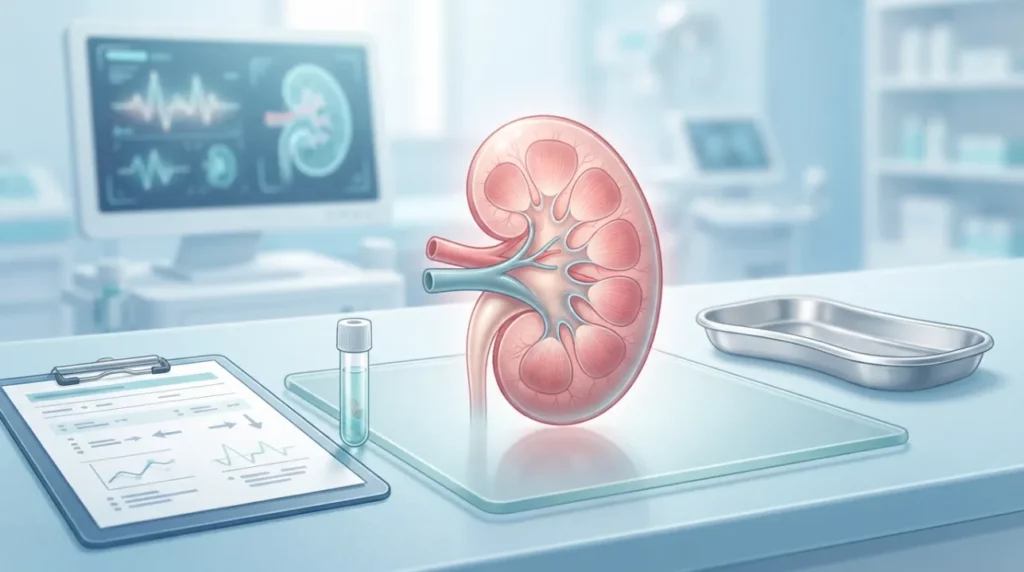
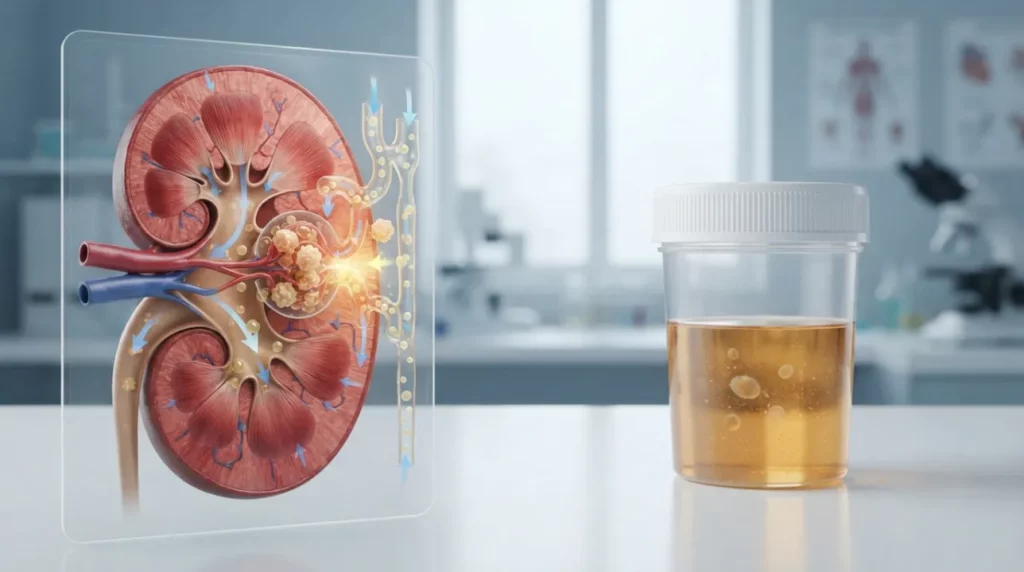
A kidney biopsy is a procedure where a doctor removes a small sample of kidney tissue using a specialized needle, so it can be examined under a microscope. This gives a level of detail that blood and urine tests alone can’t provide.
Doctors typically recommend a biopsy to find the underlying cause of abnormal kidney function, unexplained protein in the urine, or blood in the urine that other tests haven’t explained. It’s also used to check how well a transplanted kidney is functioning.
How Do You Prepare for a Kidney Biopsy?
Before the procedure, your care team will typically order blood tests to check your clotting ability and may ask you to stop taking blood thinners like aspirin for a period beforehand. Imaging, such as an ultrasound, is often done first to help guide the biopsy needle to the right location.
You’ll also be asked to sign an informed consent form after your doctor reviews the risks and benefits with you, and to arrange for someone to drive you home afterward, since you’ll need to rest for a period following the procedure.
What Actually Happens During the Procedure?
Most kidney biopsies are done using a percutaneous technique, meaning the needle is inserted through the skin rather than through open surgery. You’ll typically lie on your stomach while the skin over the kidney is cleaned and numbed with local anesthesia.
Using ultrasound or CT imaging for guidance, the doctor inserts a thin needle to collect a small tissue sample, sometimes taking more than one to ensure an adequate sample. The entire procedure usually takes about 30 to 60 minutes from start to finish.
Is a Kidney Biopsy Painful?
Most patients describe feeling pressure or a brief pinch rather than sharp pain, since the biopsy site is numbed with local anesthesia beforehand. Some mild soreness at the site afterward is common and typically manageable with over-the-counter pain relief.
It’s normal to feel some anxiety about the idea of the procedure beforehand, that’s a very human response, but the local anesthesia is specifically intended to keep the moment itself far less uncomfortable than most people expect.
What Are the Risks of a Kidney Biopsy?
According to the National Institute of Diabetes and Digestive and Kidney Diseases (NIDDK), the most common risk is a small amount of bleeding at the biopsy site, which is rarely serious enough to require treatment. Mild pain at the site and a small risk of infection are also possible, though infection is uncommon.
Serious complications, such as bleeding significant enough to require a blood transfusion or procedure to stop it, are uncommon but are part of why the procedure is typically followed by a short observation period before you go home. Your care team will weigh these risks against the diagnostic value of the biopsy before recommending one, which is why it’s not the first test reached for when other options can answer the same question.
What Happens After the Biopsy, and How Long Is Recovery?
After the procedure, you’ll typically be monitored for a few hours to watch for bleeding or other complications before being discharged. Most people are advised to avoid strenuous activity and heavy lifting for about a week to reduce the risk of bleeding at the site.
It’s common to notice a small amount of blood in the urine for a day or two afterward, which usually resolves on its own. Your care team will give you specific guidance on when to call if something feels off, including signs like an inability to urinate or a fever.
When Do Results Come Back, and What Do They Show?
Results typically take a few days to return as the tissue sample undergoes detailed microscopic examination, though urgent cases can sometimes get a preliminary report within 24 hours. Your nephrologist will review the findings with you at a follow-up visit.
The results can identify the specific type of kidney disease or damage present, information that directly shapes your treatment plan going forward, which is exactly why a biopsy is often worth the brief discomfort involved.
Are There Different Types of Kidney Biopsies?
Most kidney biopsies are percutaneous, meaning minimally invasive, done through a small needle puncture in the skin rather than open surgery, and typically performed on an outpatient basis. This is the standard approach for the large majority of patients.
An open biopsy, which involves a larger incision and general anesthesia, is far less common and generally reserved for specific situations, such as when a percutaneous approach isn’t safe or technically feasible for a particular patient. Your care team will explain which approach applies to your situation and why.
Frequently Asked Questions
How long does a kidney biopsy take?
The procedure itself typically takes about 30 to 60 minutes, though you should expect to spend several hours total at the facility for preparation, the procedure, and post-procedure monitoring.
Will I be awake during a kidney biopsy?
Yes, most kidney biopsies are done with local anesthesia only, so you remain awake but the biopsy site itself is numbed. General anesthesia is reserved for less common situations, such as an open surgical biopsy.
How long is recovery after a kidney biopsy?
Most people can return to normal light activity within a day or two, but strenuous activity and heavy lifting are typically restricted for about a week to reduce bleeding risk.
What symptoms after a kidney biopsy require immediate medical attention?
Seek care right away if you cannot urinate, have a fever, notice heavy or worsening blood in your urine, or have severe pain at the biopsy site. These can indicate a complication that needs prompt evaluation.
Can a kidney biopsy diagnose all kidney problems?
Not every kidney condition requires a biopsy to diagnose. Your nephrologist recommends one specifically when blood and urine tests haven’t provided a clear enough answer to guide your treatment.
Do I need someone to drive me home after a kidney biopsy?
Yes, this is standard guidance, since you’ll be advised to rest and avoid strenuous activity right after the procedure. Arranging a ride in advance is one of the simplest ways to prepare.
Talk to ANC If a Kidney Biopsy Has Been Recommended
If your care team has recommended a kidney biopsy and you have questions about what to expect, ANC’s nephrology team is here to help you feel prepared. Contact ANC to schedule a consultation.
Medical Disclaimer
This article is for general educational purposes only and is not a substitute for professional medical advice, diagnosis, or treatment. Always consult a qualified healthcare provider with questions about a medical condition.