
Facing the Fear of Unexpected Body Pain
Many people wonder how such a tiny object can cause such a massive amount of physical discomfort. It is common to ask what a sudden, sharp cramp in your lower back or side actually means. Experiencing a sudden wave of intense physical distress can quickly cause a lot of worry and stress.
This can feel confusing because the discomfort can fade away entirely for a few hours before returning fiercely. However, learning what kidney stones feel like can help you identify the problem early and find the right path to relief.
Your body uses intense sensations to signal that a physical pathway is blocked and needs immediate attention. When a mineral crystal disrupts your internal plumbing, your system reacts strongly to push the object out. Recognizing these unique signals early allows you to seek supportive medical management before complications arise.
We want to reassure you that you do not have to endure this stressful experience without guidance. Gaining a clear understanding of these physical symptoms takes away the mystery and fear surrounding the condition. Paying attention to these sharp waves is the first step toward getting your comfort back.
What Is a Kidney Stone and Why Is It Painful?
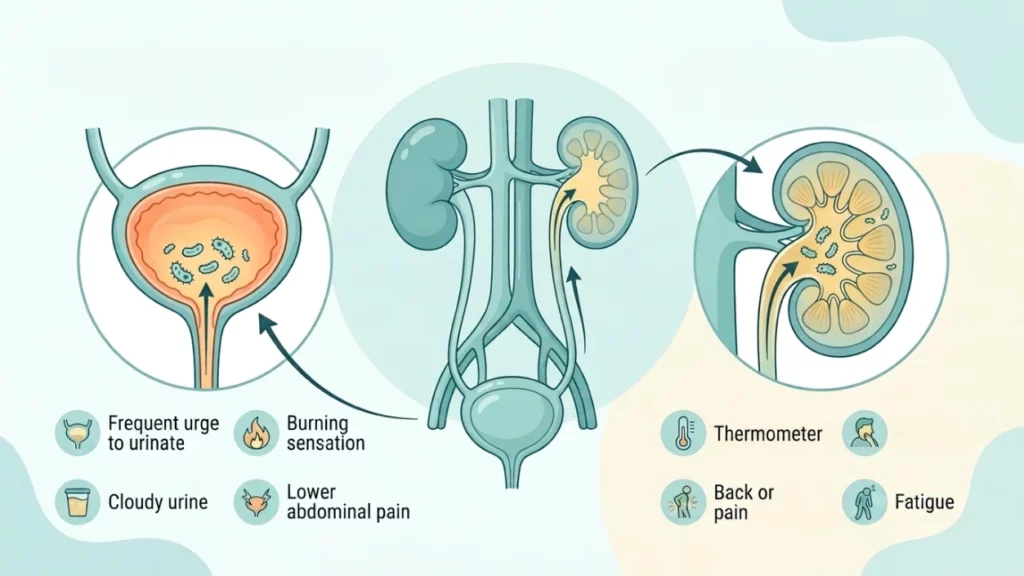
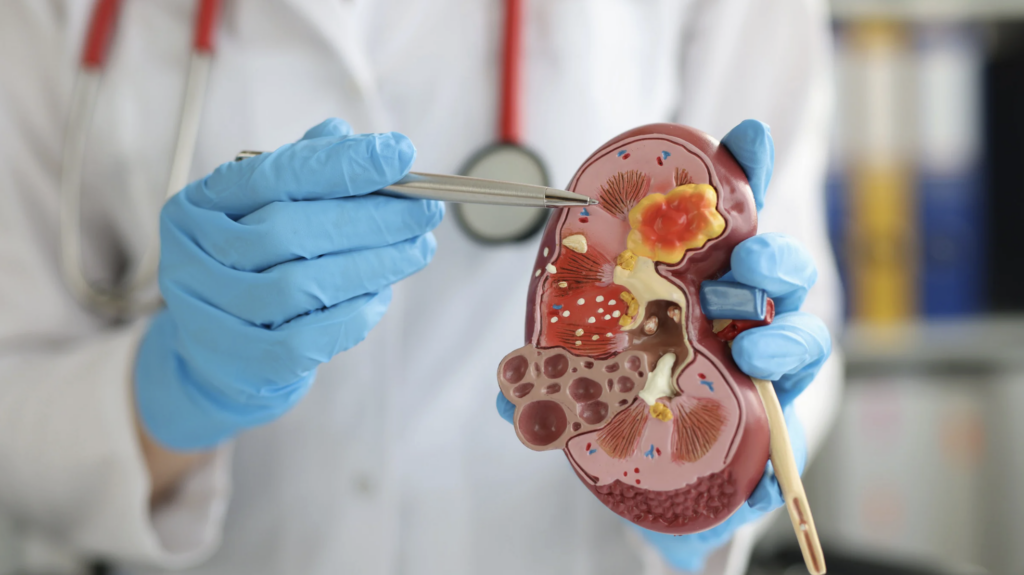
A kidney stone is a solid piece of material that forms when minerals in your urine become highly concentrated. In clinical settings, doctors may refer to this condition as nephrolithiasis or urolithiasis. These stones start out as microscopic crystals that slowly clump together over time inside your internal filters.
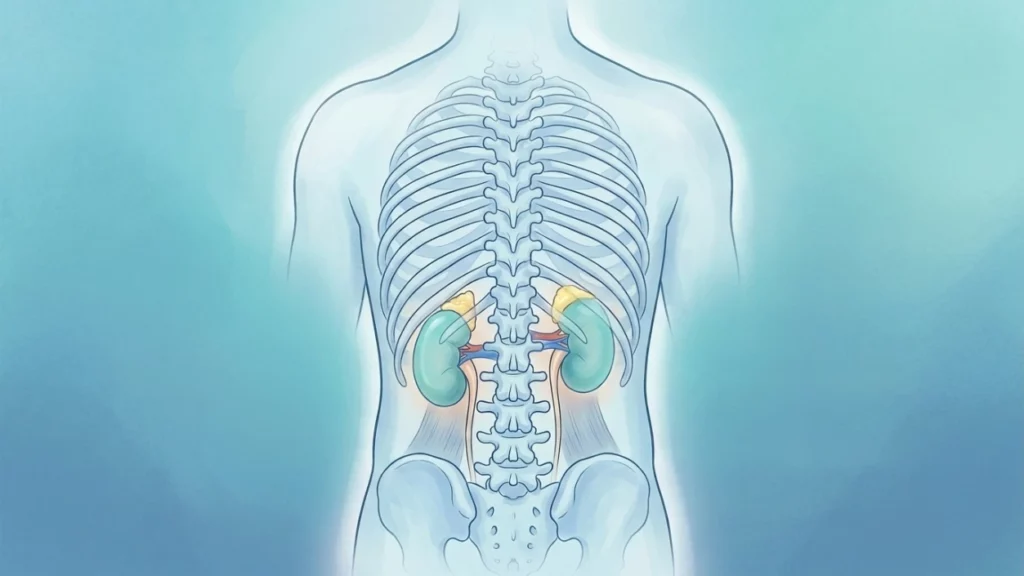
As long as the stone stays resting quietly inside your kidney tissue, you will usually feel no pain at all. The intense discomfort only begins when the stone breaks loose and slips into your ureter. The ureter is the incredibly narrow tube that carries urine down from your kidney to your bladder.
Your ureter is built with sensitive muscle walls designed to expand and contract gently to move fluids along. When a hard, jagged mineral stone gets stuck inside this narrow passage, the tube spasms violently to dislodge it. This intense muscular squeezing is exactly what triggers the sharp, unforgettable sensations across your body.
Recognizing the True Sensation of a Kidney Stone
Common physical descriptions of kidney stone discomfort include:
-
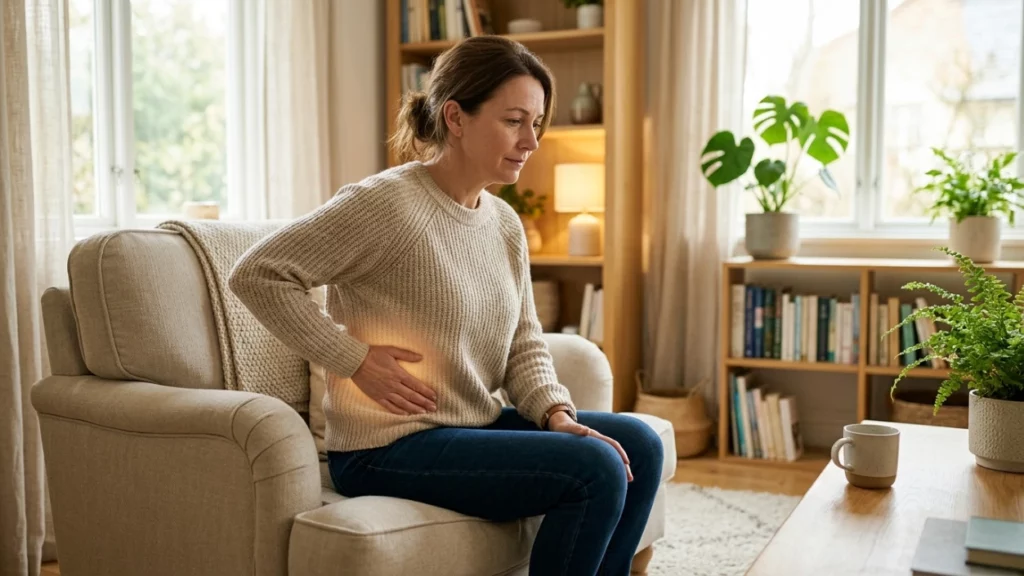
Sudden, agonizing waves of sharp pain in your back and side, right below your ribs.
-
Intense cramping that shifts location, moving down from your flank into your lower groin.
-
A severe burning or stinging sensation that occurs every time you try to urinate.
-
Feeling a constant, frantic urge to use the restroom, even if very little urine comes out.
-
Discomfort that makes it impossible to sit still, causing you to pace the floor for relief.
-
Noticeable changes in your urine, which may look pink, red, cloudy, or smell very foul.
These physical signs can change depending on the exact size, shape, and location of the mineral deposit. For example, older individuals might feel a more generalized abdominal ache rather than sharp, distinct waves of pain. Men and women may notice the discomfort spreading into different areas of their lower pelvic anatomy.
It is vital to monitor how your body responds when these waves of cramping peak and fade. Do not expect this type of internal blockage to improve simply by changing your physical position in bed. Tracking the path of the pain across your torso provides essential clues for your care team.
Main Causes and Everyday Risk Factors
Key lifestyle and health factors that lead to stones include:
-
Dehydration: Not drinking enough plain water allows minerals to settle and stick together easily.
-
High-Sodium Diet: Consuming excessive salt forces extra calcium into your urinary tract.
-
Family History: Having close relatives who suffer from stones increases your own daily risk.
-
Certain Foods: Eating a diet very high in animal proteins or sugar can alter your urine chemistry.
-
Metabolic Issues: Living with certain digestive conditions or high body weight can change mineral absorption.
-
Lack of Movement: Being inactive for long periods can cause calcium levels in your blood to climb.
Understanding what causes these crystals to grow helps you look at your daily habits with fresh eyes. While you cannot alter your genetic background, you can change your daily fluid choices and nutrition.
Every positive habit you build helps keep your internal filtering system clear, diluted, and working smoothly. Taking small preventative steps is the most effective way to protect your urinary lining from mineral stress.
Distinguishing Kidney Stones From Other Conditions
People frequently confuse the sudden pain of a kidney stone with a simple lower back muscle spasm. A muscle spasm usually leaves your back feeling very stiff, sore to the touch, and gets worse when you bend over. Kidney stone pain comes in unpredictable waves and does not change when you move your spine.
Another common mix up happens between kidney stones and a sudden attack of appendicitis. Appendicitis usually creates a steady, worsening pain that settles in the lower right side of your stomach. Kidney stone discomfort is typically felt more in the back or side and includes urinary changes like burning.
Some individuals also mistake stone discomfort for a bad case of food poisoning due to the accompanying nausea. The key difference is that food poisoning focuses heavily on stomach cramps and diarrhea without any urinary frequency. Knowing these comparisons helps reduce your anxiety when sudden symptoms appear.
When to Consult a Professional for Expert Evaluation
If you believe you are experiencing what a kidney stone feels like, it is important to consult a professional. Attempting to manage severe internal pain on your own can place unnecessary stress on your urinary system. Seeking timely guidance ensures you get an accurate look at your anatomy and a safe management strategy.
Our dedicated providers at Associated Nephrology Consultants in Maplewood, MN are always here to help you navigate these symptoms. We use advanced diagnostic approaches to locate the exact position and size of the stone.
Please seek immediate medical evaluation if your pain becomes completely unmanageable or causes you to faint. Having a high fever with chills, persistent vomiting, or an inability to pass urine are also urgent warning signs.
For routine monitoring and long term stone prevention strategies, regular clinic checkups are your best resource. Families living across the greater Saint Paul, Minnesota area can count on our team for calm, authoritative care.
Daily Tips to Manage and Prevent Mineral Blocks
Simple practices to shield your urinary tract:
-
Sip large glasses of plain water continuously from morning until night to keep urine clear.
-
Squeeze fresh lemon juice into your water to help break down tiny mineral crystals naturally.
-
Limit your daily intake of processed snacks and fast foods that are loaded with sodium.
-
Stay active by enjoying regular, gentle walks to help keep your body fluids moving well.
-
Avoid drinking excessive amounts of dark sodas, which contain compounds that favor stone growth.
-
Discuss your daily calcium choices with a professional to ensure they are balanced safely.
Incorporating these basic choices into your everyday routine offers excellent protection for your entire urinary system. It keeps your internal passages well-flushed so minerals cannot find a place to settle and grow.
Always speak with a qualified healthcare provider before changing your diet or taking new wellness supplements. They will ensure your everyday choices match your specific medical background perfectly and safely.
A Warm and Reassuring Conclusion for Your Health
Experiencing unexpected physical symptoms can feel overwhelming, but you have access to excellent support. Gaining the right information about what is happening inside your body removes the fear of the unknown.
With proper professional care and smart daily adjustments, you can successfully navigate this challenge and protect your wellness. Our team is fully committed to providing the compassionate, high-quality care you deserve every step of the way.
As your trusted local resource in the Saint Paul, Minnesota region, we place your comfort and peace of mind first. We combine advanced medical insight with a friendly, patient-centered approach to keep you thriving.
Remember that paying close attention to your body’s signals today builds a much more comfortable, vibrant tomorrow. Stay encouraged, focus on good hydration habits, and reach out to us whenever you need reliable guidance.
Frequently Asked Questions About Kidney Stones
What do kidney stones feel like when they are passing?
When a kidney stone is passing through the narrow tubes, it typically feels like sharp, stabbing waves of pain. This discomfort is usually concentrated in the side of your back and can move forward into your lower belly. The sensation often changes in intensity as the stone moves down.
How long does it take for a kidney stone to pass?
The time it takes for a stone to pass depends heavily on its unique size and physical location. A small stone may wash out naturally within a few weeks with plenty of fluids and rest. Larger stones may take longer or require professional assistance from a specialist to clear safely.
Can a small kidney stone cause severe pain?
Yes, even a very small kidney stone can cause significant discomfort if it gets stuck in a narrow passage. The pain is caused by the muscular walls of the tube stretching and spasming around the object. The amount of discomfort does not always match the physical size of the stone.
Why do kidney stones cause an upset stomach?
Kidney stones cause an upset stomach because the nerves feeding your kidneys share a pathway with your digestive organs. When a stone creates intense irritation in the urinary tract, it can trigger these neighboring nerves. This crossover signal frequently leads to feelings of nausea or vomiting.
Can drinking cranberry juice dissolve a kidney stone?
No, cranberry juice cannot dissolve a kidney stone that has already formed inside your urinary tract. While it is popular for bladder wellness, it does not possess the properties needed to break down solid mineral deposits. Drinking plenty of plain water remains the most reliable fluid choice.
Can I get a stone prevention plan at ANC?
Yes, you can absolutely receive a customized prevention plan at Associated Nephrology Consultants in Maplewood, MN. Our experienced specialists evaluate your unique health factors to help prevent future mineral crystals from developing. We invite residents from across the Saint Paul area to visit our clinic.