
Many people wonder what nephrology means and when they might need a kidney doctor. It is common to feel unsure, especially if you are experiencing symptoms that are hard to explain.
Understanding nephrology can help you take better care of your health. Your kidneys play an important role in keeping your body balanced, and knowing when to seek help can make a real difference.
What Is Nephrology?
Nephrology is a branch of medicine that focuses on kidney health. It involves the study, diagnosis, and management of kidney-related conditions.
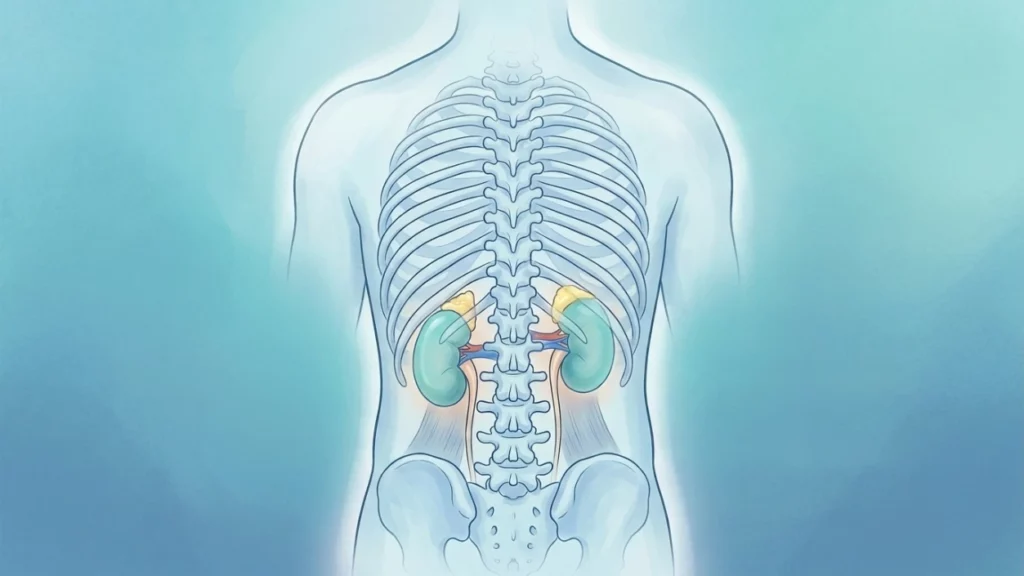
Your kidneys help filter waste from your blood, balance fluids, and control important minerals in your body. A doctor who specializes in nephrology is called a nephrologist, also known as a kidney doctor.
Nephrologists help care for conditions such as kidney disease, high blood pressure related to the kidneys, and fluid or electrolyte imbalances.
What Does a Kidney Doctor Do?
A kidney doctor focuses on understanding how well your kidneys are working and helping manage any problems.
They may:
- Check your kidney function through simple tests
- Monitor ongoing conditions over time
- Help manage blood pressure related to kidney health
- Guide you on protecting your kidney function
Their goal is to help keep your kidneys working as well as possible and to prevent further complications.
What Are the Common Signs You May Need a Kidney Doctor?
Understanding the signs can help you seek care early. Some symptoms may be mild at first, but they should not be ignored.
Common Symptoms Include
- Swelling in your legs, ankles, or feet
- Changes in how often you urinate
- Feeling very tired or low on energy
- High blood pressure that is hard to control
- Blood in your urine
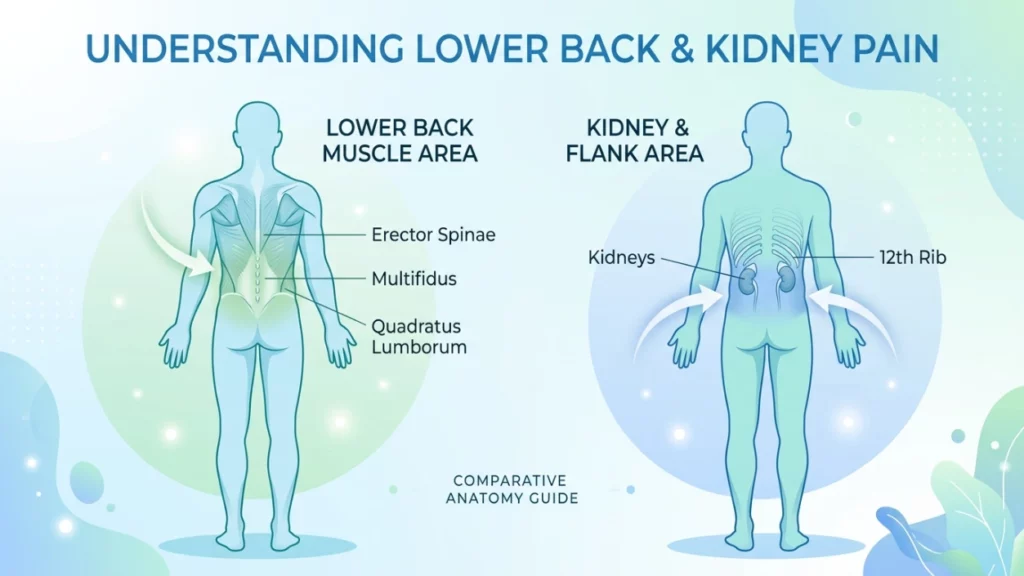
- Pain in your lower back or side
If you notice these symptoms, it is important to speak with a healthcare provider.
What Causes Kidney Problems?
Kidney problems can develop over time or happen suddenly. Many conditions affect how well your kidneys work.
Common causes include:
- Diabetes
- High blood pressure
- Infections
- Dehydration
- Family history of kidney disease
Managing these risk factors can help protect your kidney health.
Are There Common Misunderstandings About Nephrology?
It is common to think that nephrology is only for people with severe kidney disease. This is not always true.
Many people also believe they only need a kidney doctor later in life. In reality, kidney issues can affect adults of all ages.
Another common misunderstanding is waiting until symptoms become serious. Early care can help prevent complications and support long-term health.
When Should You See a Nephrologist?
You may need to see a nephrologist if you have ongoing symptoms or abnormal test results related to your kidneys.
It is also common for a primary care doctor to recommend a kidney specialist if there are concerns about kidney function.
If something does not feel right, it is important to speak with a healthcare provider. A nephrologist can help evaluate your condition and guide next steps.
How Can You Protect Your Kidney Health?
Taking small steps can support your kidney health over time.
You can:
- Drink enough water each day
- Keep your blood pressure under control
- Manage blood sugar levels if you have diabetes
- Eat a balanced and healthy diet
- Schedule regular checkups
These habits can help reduce the risk of kidney problems and support overall well-being.
Encouraging Conclusion
Understanding nephrology can make your health journey feel less overwhelming. Knowing when to see a kidney doctor gives you more control and confidence.
If you have concerns about your kidneys, you are not alone. Support is available, and early care can make a meaningful difference in protecting your kidney health.
Frequently Asked Questions About Nephrology
What is nephrology in simple terms?
Nephrology is the area of medicine that focuses on kidney health. It includes understanding how the kidneys work, diagnosing problems, and helping manage conditions that affect them. A doctor trained in nephrology is called a nephrologist or kidney specialist.
What does a nephrologist treat?
A nephrologist treats conditions related to the kidneys, such as chronic kidney disease, high blood pressure linked to the kidneys, and fluid imbalances. They also help monitor kidney function and guide patients in protecting their kidney health over time.
When should I see a kidney doctor?
You should consider seeing a kidney doctor if you have symptoms like swelling, changes in urination, or ongoing fatigue. It is also important to seek care if your doctor finds abnormal kidney test results or has concerns about your kidney function.
Do I need a referral to see a nephrologist?
In many cases, a primary care doctor may refer you to a nephrologist after reviewing your symptoms or test results. However, this can depend on your healthcare system. It is always a good idea to speak with your doctor about the best next step.
Can kidney disease be detected early?
Yes, kidney disease can often be detected early through simple blood and urine tests. Early detection is important because it allows doctors to manage the condition and help slow its progression, even before noticeable symptoms appear.