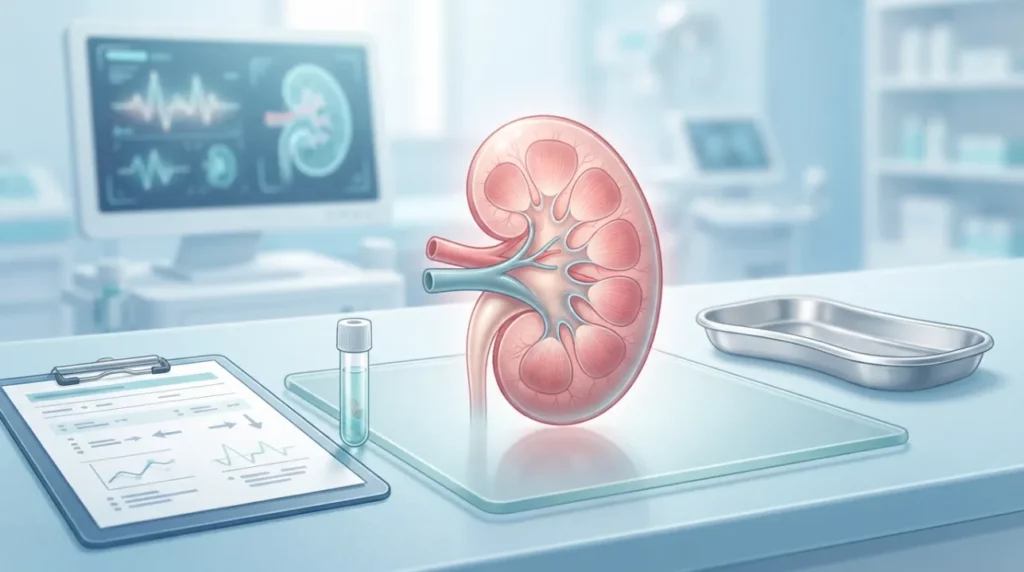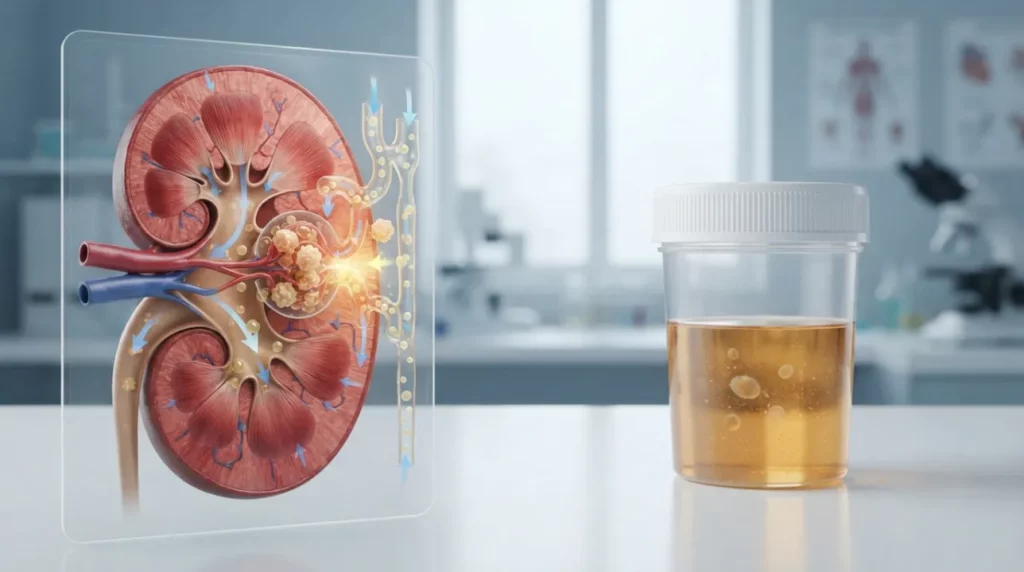
When patients hear that protein has been found in their urine, it’s common to wonder: “What does that actually mean?” While it may seem like just another lab result, protein in the urine is one of the most important markers nephrologists use to evaluate kidney health.
Healthy kidneys work like highly specialized filters. Their job is to remove waste products while keeping important substances, like protein, in your bloodstream. When those filters become damaged or stressed, small amounts of protein can begin leaking into the urine. This condition, known as proteinuria, is often one of the earliest signs that the kidneys may not be functioning as they should.
One of the reasons protein in the urine is so valuable is that it can appear long before symptoms develop. In fact, many people with early kidney disease feel completely normal. They may not experience pain or notice any changes in how they feel day to day. That’s why routine urine testing is such an important part of monitoring kidney health—it can help identify potential concerns before they progress.
It’s also important to remember that nephrologists don’t focus on just one urine test. Rather than asking whether protein is present, they’re looking at the bigger picture. How much protein is leaking? Has it increased or decreased over time? Is treatment helping reduce the amount? These trends often provide a much clearer understanding of how the kidneys are functioning than a single test result ever could.
Fortunately, finding protein in the urine doesn’t automatically mean someone will develop severe kidney disease. In many cases, medications, blood pressure management, blood sugar control, and other lifestyle changes can help reduce protein leakage and protect kidney function over time. By monitoring these changes consistently, nephrologists can detect kidney disease earlier, track its progression more accurately, and develop treatment plans that help preserve kidney health for years to come.