Back pain is one of the most common health complaints people experience. In many cases, it is caused by muscle strain, poor posture, or physical activity. However, some types of back pain may be related to kidney problems.
Understanding how to tell if your back pain is coming from your kidneys can help you recognize when symptoms may require medical attention. Kidney related pain often feels different from typical muscle pain and may occur with other warning signs.
Quick Answer
Back pain caused by muscles usually occurs in the lower back and often improves with rest or movement. Kidney pain is typically felt higher in the back near the ribs and may occur with symptoms such as fever, nausea, or urinary changes.
Where Kidney Pain Is Usually Felt
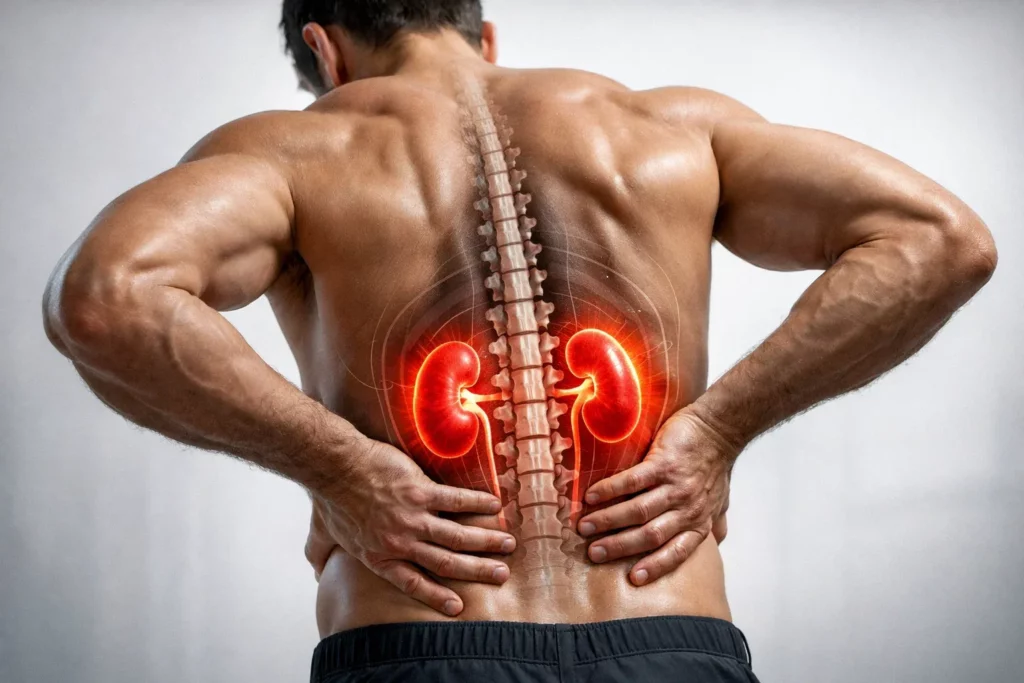
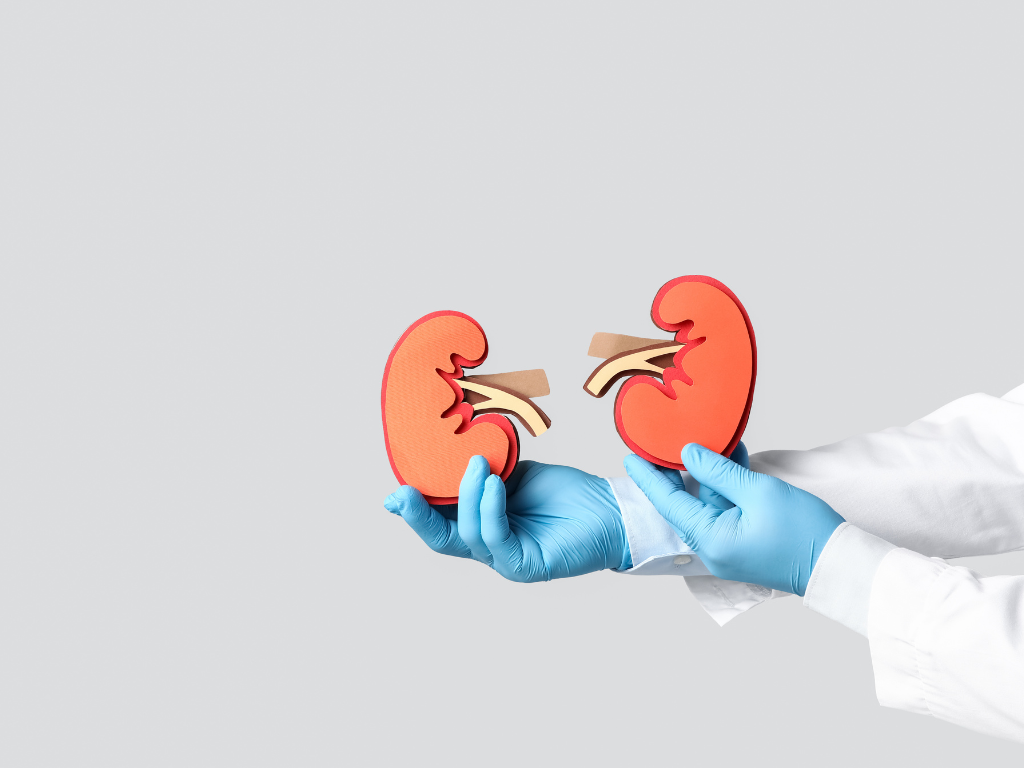
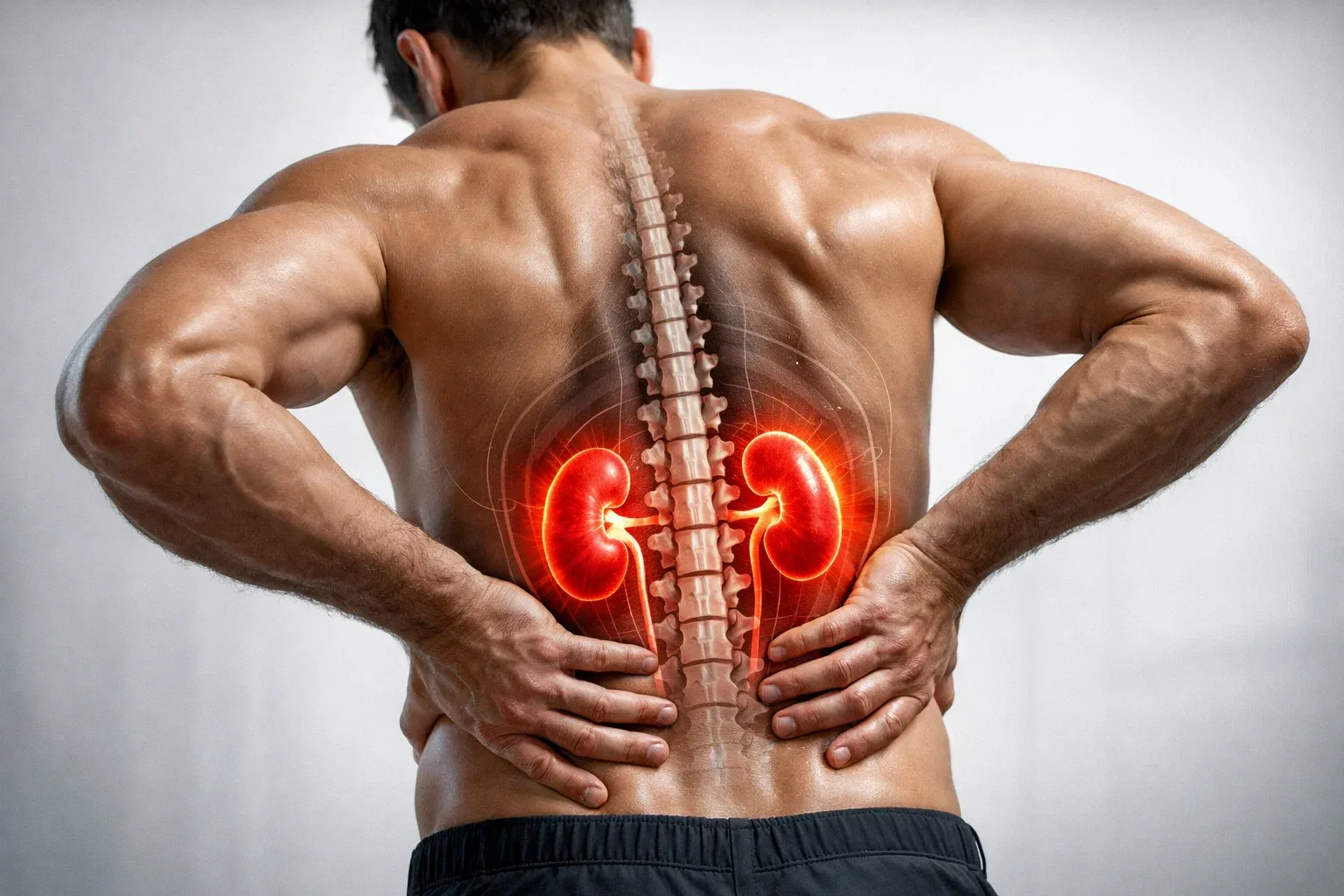
The kidneys are located on both sides of the spine just below the rib cage. Because of this location, kidney pain is usually felt in the upper back rather than the lower back.
People experiencing kidney pain may notice
• Pain in the middle or upper back
• Discomfort on one side of the spine
• Deep aching pain near the ribs
• Pain that spreads toward the abdomen or groin
This type of pain often feels deeper than muscle related back pain.
How Back Pain From Muscles Feels
Most back pain is related to muscles, joints, or the spine. Muscle related back pain often develops after lifting, exercise, or long periods of sitting.
Common characteristics of muscle related back pain include
• Pain in the lower back
• Muscle stiffness or soreness
• Pain that worsens with movement
• Tenderness when touching the muscles
This type of pain often improves with rest, stretching, or changes in posture.
Symptoms That May Suggest Kidney Pain
Kidney problems often cause additional symptoms beyond simple back discomfort. These symptoms may indicate infection or another kidney related condition.
Possible kidney related symptoms include
• Fever and chills
• Nausea or vomiting
• Burning sensation during urination
• Frequent urination
• Cloudy or strong smelling urine
• Blood in the urine
When back pain occurs along with these symptoms, the kidneys may be involved.
Common Causes of Kidney Pain
Kidney pain can occur when the kidneys are affected by infection or blockage in the urinary tract.
Common causes include
• Kidney infections
• Kidney stones
• Urinary tract infections that spread to the kidneys
• Blockages in the urinary system
• Inflammation of the kidneys
These conditions may require medical evaluation and treatment.
Key Differences Between Kidney Pain and Back Pain
Although both conditions cause discomfort in the back, several differences can help identify the source of pain.
Muscle related back pain often improves with rest and movement. It may also worsen with certain physical activities.
Kidney pain is often constant and may not improve with changes in position. It is also more likely to occur with symptoms such as fever, nausea, or urinary changes.
When to See a Doctor
Back pain that occurs with other symptoms should not be ignored. Kidney infections and other kidney conditions may require medical care.
You should consider seeking medical advice if you experience
• Persistent or severe back pain
• Fever or chills
• Nausea or vomiting
• Pain during urination
• Blood in the urine
Early medical evaluation helps determine the cause of symptoms and ensures proper treatment.
Protecting Your Kidney Health
Taking steps to support kidney health can help reduce the risk of infections and other kidney related conditions.
Helpful habits include
• Drinking enough water each day
• Practicing good hygiene
• Treating urinary tract infections early
• Managing chronic health conditions
• Maintaining regular medical checkups
These habits support healthy kidney function.
Why Recognizing Kidney Pain Matters
Understanding how to tell if your back pain is coming from your kidneys can help identify serious health problems early. While most back pain is related to muscles, kidney pain may signal infection or other conditions that require medical attention.
If symptoms such as fever, urinary changes, or persistent side pain occur, speaking with a healthcare professional can help ensure proper care.
Frequently Asked Questions
How do I know if my back pain is kidney pain
Kidney pain is usually felt higher in the back near the ribs and may occur with symptoms such as fever, nausea, or urinary changes. Muscle related back pain is often felt in the lower back and improves with rest or movement.
Can kidney infections cause back pain
Yes. Kidney infections often cause pain in the upper or middle back near the ribs. This pain may also occur with fever, chills, and urinary symptoms.
Does kidney pain feel different from muscle pain
Kidney pain often feels deeper and more constant than muscle related pain. It may also occur with symptoms such as nausea, fever, or changes in urination.
Where is kidney pain usually located
Kidney pain is usually located in the upper back on either side of the spine, just below the rib cage. It may also spread toward the abdomen or groin.
When should I see a doctor for back pain
You should seek medical care if back pain occurs with fever, nausea, vomiting, or urinary symptoms. These signs may indicate a kidney related condition that requires medical evaluation.