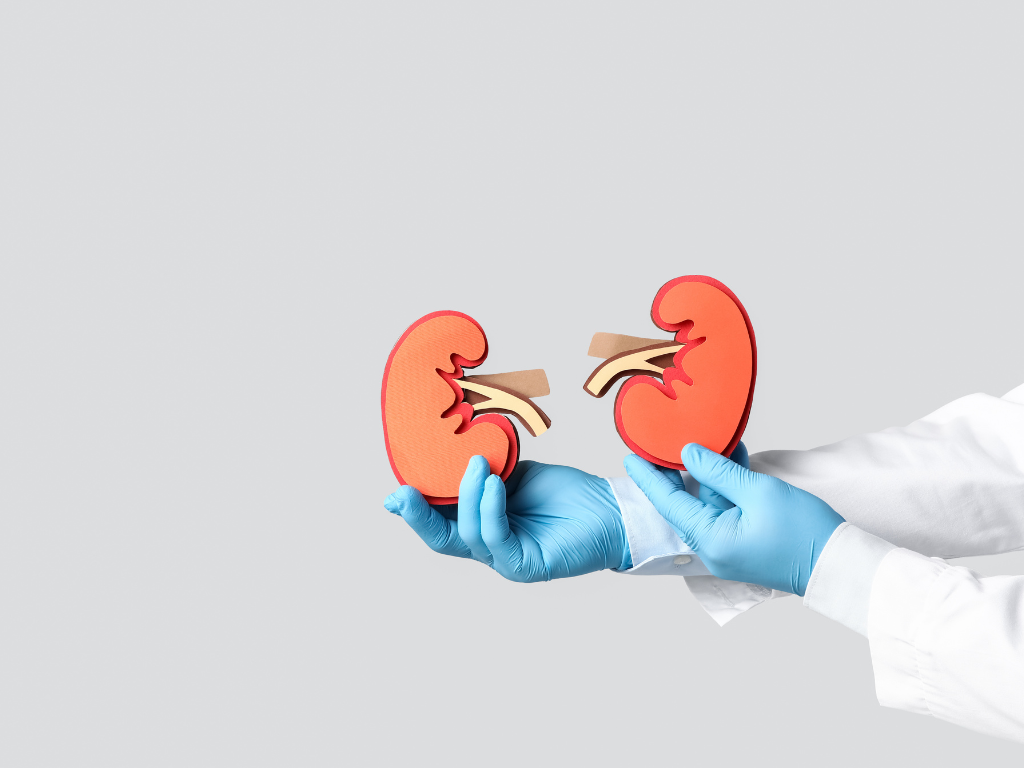

Kidney infections are a type of urinary tract infection that affect one or both kidneys. While many urinary infections begin in the bladder, a kidney infection occurs when bacteria travel further into the urinary tract and reach the kidneys.
Understanding how serious a kidney infection can be and recognizing the warning signs can help people seek medical care before the condition becomes more severe.
Quick Answer
A kidney infection can be serious if left untreated. The infection may damage the kidneys or spread to other parts of the body. Symptoms such as fever, severe back pain, nausea, or blood in the urine may indicate a kidney infection that requires medical attention.
What Is a Kidney Infection
A kidney infection occurs when bacteria infect the kidneys, which are responsible for filtering waste and extra fluids from the blood. These infections usually begin in the bladder and spread upward through the urinary tract.
Because the kidneys play a vital role in maintaining overall health, infections affecting them should always be taken seriously.
Common Symptoms of a Kidney Infection
Kidney infection symptoms may develop quickly and can worsen if the infection spreads.
Common symptoms include
• Pain in the back or side below the ribs
• Fever and chills
• Burning sensation during urination
• Frequent urination
• Cloudy or strong smelling urine
• Nausea or vomiting
• Fatigue or weakness
Some people may also notice blood in their urine or persistent discomfort in the lower abdomen.
Why Kidney Infections Can Become Serious
Kidney infections affect an important organ responsible for filtering waste from the bloodstream. If the infection spreads or remains untreated, it may interfere with kidney function.
In severe cases, bacteria can enter the bloodstream and lead to more serious health complications.
Possible Complications of Kidney Infections
Although many kidney infections can be treated successfully, complications may occur if treatment is delayed.
Possible complications include
• Permanent kidney damage
• Repeated kidney infections
• Infection spreading into the bloodstream
• Severe illness requiring hospitalization
Seeking care early helps reduce the risk of these complications.
When to Seek Medical Care
Recognizing when to seek medical care is important for protecting kidney health.
You should speak with a healthcare provider if you experience
• Persistent fever
• Severe back or side pain
• Nausea or vomiting with urinary symptoms
• Blood in the urine
• Symptoms that continue to worsen
Early medical evaluation helps ensure the infection is treated before complications develop.
How Kidney Infections Are Diagnosed
Healthcare providers usually diagnose kidney infections by reviewing symptoms and performing medical tests.
Diagnostic methods may include
• Urine tests to detect bacteria
• Blood tests to identify infection
• Imaging tests if complications are suspected
These tests help determine the severity of the infection and guide appropriate treatment.
Treatment for Kidney Infections
Kidney infection treatment usually involves antibiotics to eliminate the bacteria causing the infection.
Depending on the severity of symptoms, treatment may include
• Prescription antibiotics
• Rest and hydration
• Follow up medical care
More serious infections may require hospital treatment and intravenous antibiotics.
Protecting Your Kidney Health
Preventing infections and recognizing early symptoms can help protect kidney health.
Helpful habits include
• Drinking enough water daily
• Practicing good hygiene
• Treating urinary tract infections early
• Managing chronic health conditions
• Scheduling regular medical checkups
These steps can help reduce the risk of kidney infections and support overall urinary health.
Why Early Care Matters
Kidney infections can become serious if they are ignored or left untreated. Recognizing symptoms early and seeking medical care can help prevent complications and support recovery.
If symptoms such as fever, back pain, or urinary discomfort appear, speaking with a healthcare provider can help ensure proper care and protect kidney health.
Frequently Asked Questions
How dangerous is a kidney infection
A kidney infection can become dangerous if left untreated. The infection may damage the kidneys or spread into the bloodstream. Prompt medical treatment greatly reduces the risk of serious complications.
What are the warning signs of a severe kidney infection
Warning signs may include high fever, severe back or side pain, nausea, vomiting, and blood in the urine. These symptoms should be evaluated by a healthcare professional as soon as possible.
Can a kidney infection heal without treatment
Kidney infections usually require medical treatment with antibiotics. Without proper care, the infection may worsen and lead to serious health complications.
How quickly should kidney infections be treated
Kidney infections should be evaluated by a healthcare provider as soon as symptoms appear. Early diagnosis and treatment help prevent the infection from spreading.
Who is most at risk for kidney infections
People with urinary tract infections, kidney stones, diabetes, or weakened immune systems may have a higher risk of developing kidney infections.