
Anemia is one of the most common, and most overlooked, complications of chronic kidney disease. It often develops gradually, which means many patients feel more tired than usual for a while before anyone connects it back to their kidneys.
Key Takeaways
- Healthy kidneys produce a hormone called erythropoietin that tells the body to make red blood cells.
- As kidney function declines, erythropoietin production drops, which can lead to anemia.
- Roughly two-thirds of patients in the early stages of kidney failure are also anemic, according to research published on the topic.
- Common symptoms include fatigue, weakness, and shortness of breath, easy to mistake for normal tiredness.
- Treatment often includes iron therapy and medications that stimulate red blood cell production.
Why Does Chronic Kidney Disease Cause Anemia?
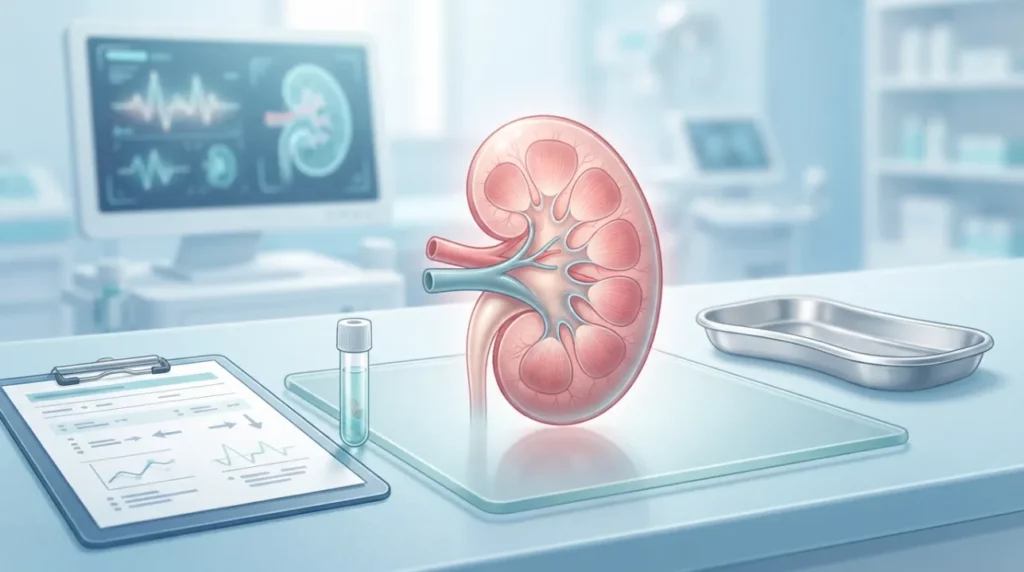
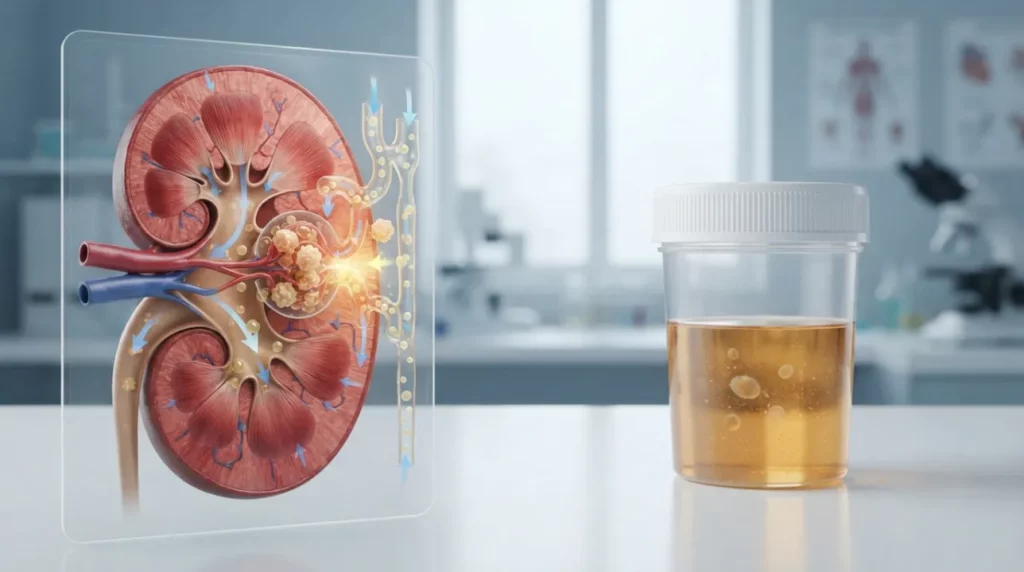
Healthy kidneys produce a hormone called erythropoietin, which signals bone marrow to produce red blood cells. As chronic kidney disease progresses and kidney tissue is damaged, erythropoietin production drops, and red blood cell production falls along with it, gradually leading to fewer oxygen-carrying cells circulating in the blood.
This type of anemia is different from the more commonly known iron-deficiency anemia, though the two can also occur together, since CKD patients frequently have trouble absorbing and using iron efficiently as well. Distinguishing between the two, or recognizing when both are present, is part of why blood testing looks at more than hemoglobin alone.
How Common Is Anemia in Kidney Disease?
Anemia tends to develop as kidney function declines to roughly the point where CKD reaches stage 3 or beyond, though the exact point varies by individual. Research on the topic has found that roughly two-thirds of patients in the early stages of kidney failure are also anemic, yet historically only about a third had received treatment for it, underscoring how often it goes unaddressed.
Anemia of CKD is considered one of the first measurable signs of declining kidney function, sometimes showing up on bloodwork before a patient notices any symptoms at all.
What Are the Symptoms of Anemia in CKD?
The most common symptoms are fatigue, general weakness, and shortness of breath during activities that didn’t used to cause it. Because these symptoms develop gradually and overlap with normal tiredness, many people attribute them to being busy or getting older rather than a treatable medical issue.
Other symptoms can include pale skin, difficulty concentrating, and feeling cold more often than usual. Because anemia and kidney disease symptoms can overlap so closely, blood testing is really the only reliable way to confirm what’s going on. Some patients also notice a faster heart rate than usual, since the heart works harder to compensate when blood is carrying less oxygen than it should.
How Is Anemia in CKD Diagnosed?
Diagnosis starts with a simple blood test measuring hemoglobin, the protein in red blood cells that carries oxygen. Nephrology guidelines generally define anemia in this context as a hemoglobin level under 13 g/dL in men and under 12 g/dL in women, though thresholds can vary somewhat by guideline and individual circumstances.
Additional blood tests, including iron studies, are typically ordered to determine whether iron deficiency is contributing alongside reduced erythropoietin production, since the treatment approach differs depending on the cause. A complete workup may also rule out other, less common causes of anemia unrelated to kidney disease, to make sure the treatment plan targets the right underlying issue.
How Is Anemia of CKD Treated?
Treatment usually starts with correcting any underlying iron deficiency first, either through oral supplements or, in some cases, intravenous iron. Addressing iron levels before starting other anemia treatments is a standard first step in current nephrology guidelines.
When iron correction alone isn’t enough, medications called erythropoiesis-stimulating agents are often used to directly replace the hormone signal the kidneys are no longer producing in sufficient amounts, helping the bone marrow resume normal red blood cell production.
How Does Treating Anemia Affect Overall Kidney Health?
Treating anemia doesn’t reverse kidney disease itself, but it meaningfully improves quality of life, energy levels, and can reduce strain on the heart, which has to work harder when blood carries less oxygen. This is one of the reasons anemia management is treated as a core, ongoing part of comprehensive CKD care rather than an optional add-on.
Regular monitoring matters here too, since anemia treatment needs are adjusted as kidney function changes over time, particularly for patients getting closer to needing dialysis, when anemia often becomes more pronounced and requires closer attention.
What Does Anemia Treatment Look Like Day to Day?
Iron supplementation, whether oral or intravenous, is typically the starting point, with regular blood tests to check whether iron stores and hemoglobin are responding as expected. If erythropoiesis-stimulating agents are added, they’re usually given on a schedule, sometimes at home, sometimes during a dialysis session for patients already receiving treatment there.
Dosing isn’t a one-time decision, it’s adjusted based on follow-up bloodwork, since the goal is to reach a healthy hemoglobin range without overshooting it, as overly aggressive correction carries its own risks. This is part of why anemia management in CKD is treated as an ongoing, actively monitored process rather than a single prescription.
Frequently Asked Questions
Is anemia a normal part of getting older, or is it caused by kidney disease?
Both are possible, which is why testing matters. Age-related anemia has different underlying causes than anemia of CKD, so a blood test that also checks kidney function helps clarify which is driving the symptoms.
Can anemia of CKD be cured?
It is generally managed rather than cured, since it stems from reduced kidney function itself. With appropriate treatment, most patients can maintain healthy hemoglobin levels and avoid the more severe symptoms of anemia.
Do all CKD patients eventually develop anemia?
Not all, but it becomes increasingly common as kidney disease progresses. Anemia is more strongly associated with stage 3 CKD and beyond than with the earliest stages of the disease.
What is an erythropoiesis-stimulating agent?
It is a type of medication that mimics the hormone erythropoietin, which healthy kidneys normally produce to signal red blood cell production. It’s used when iron correction alone isn’t enough to resolve anemia of CKD, and dosing is carefully monitored through regular bloodwork.
Can diet help with anemia of CKD?
Diet can support iron levels to some degree, but anemia of CKD is primarily driven by reduced hormone production rather than diet alone, so most patients need medical treatment alongside any dietary changes.
How often is anemia checked once someone has CKD?
This varies by CKD stage and current hemoglobin levels, but many patients are checked at least once or twice a year starting in stage 3, with more frequent monitoring once treatment begins.
Talk to ANC About Anemia and Kidney Disease
If you have chronic kidney disease and have been feeling unusually tired or short of breath, it’s worth discussing anemia screening with your care team. Contact ANC today to schedule a consultation and discuss your specific situation with our nephrology team.
Medical Disclaimer
This article is for general educational purposes only and is not a substitute for professional medical advice, diagnosis, or treatment. Always consult a qualified healthcare provider with questions about a medical condition or your specific treatment plan.