When people think about protecting their kidneys, they often ask one simple question: What should I eat? While there isn’t a single “kidney superfood,” everyday eating habits can go a long way toward supporting kidney health. The key is remembering that nutrition isn’t one-size-fits-all. What works well for one person may not be appropriate for another, especially for someone with more advanced kidney disease.
Start With a Balanced Plate
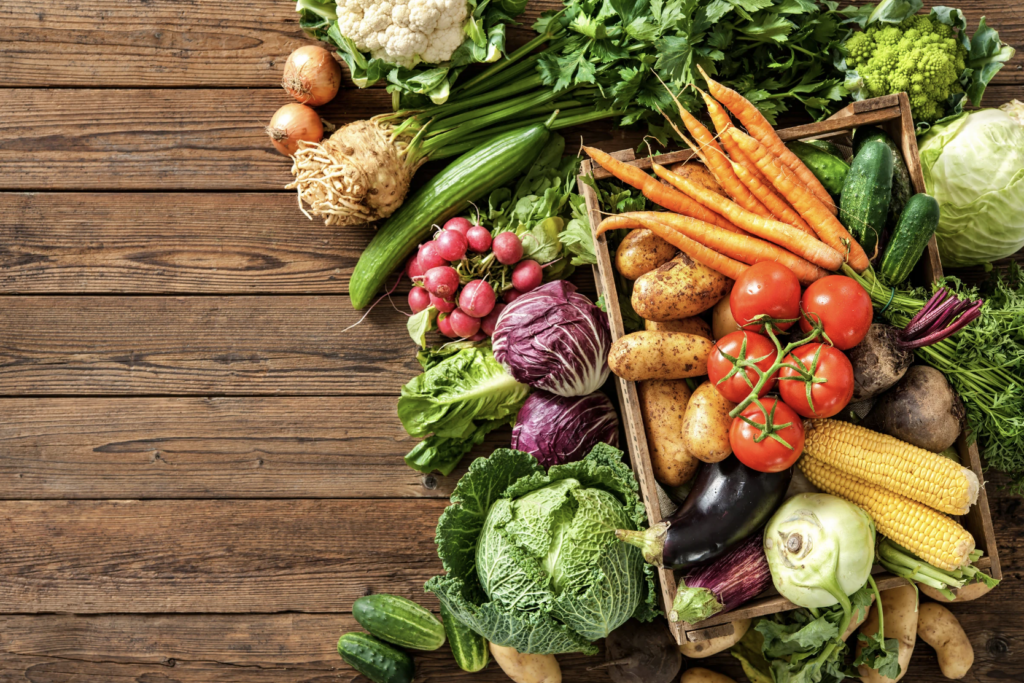
For most people, one of the best places to start is by building a balanced plate. Incorporating more fruits, vegetables, whole grains, and plant-based protein sources like beans, lentils, tofu, or quinoa can benefit overall health. Research continues to show that diets built around more plant-based foods may support healthy blood pressure and blood sugar, two of the biggest factors that influence kidney health.
The good news? You don’t have to become a vegetarian overnight. Even small changes, like trying a “Meatless Monday” or adding a side of frozen vegetables to dinner, can add up to something meaningful over time.
Watch Your Sodium
If there’s one nutrient that nearly everyone can pay more attention to, it’s sodium. Too much salt can contribute to high blood pressure, one of the leading causes of kidney disease. Most adults are advised to keep sodium under 2,300 milligrams a day (roughly one teaspoon of salt) and many people with kidney disease need to go even lower.
Processed foods, restaurant meals, deli meats, and packaged snacks are often major sources of hidden sodium, even when they don’t taste especially salty. Using herbs and spices to flavor meals instead of reaching for the salt shaker is a simple change that can make a real difference. Just be cautious with salt substitutes — many are high in potassium chloride, which isn’t a good swap for people who need to limit potassium.
You Don’t Have to Give Up the Foods You Love
One question providers hear often is, “Do I have to give up all the foods I enjoy?” Thankfully, the answer is usually no. Kidney-friendly eating is rarely about perfection; it’s about consistency and moderation. Many patients are surprised to learn that small, sustainable adjustments are often more effective than completely overhauling their diet overnight.
As Ella Harpole frequently encourages patients, starting with one manageable change each week can build habits that last far longer than trying to change everything at once.
The Bottom Line: Personalize Your Plan
Ultimately, the best “kidney diet” is one that’s personalized. Kidney disease exists on a spectrum, and nutritional needs change depending on kidney function, medications, and other health conditions. If you have questions about what foods are right for you, talk with your nephrology team. Together, you can build a plan that supports both your kidney health and your overall well-being.