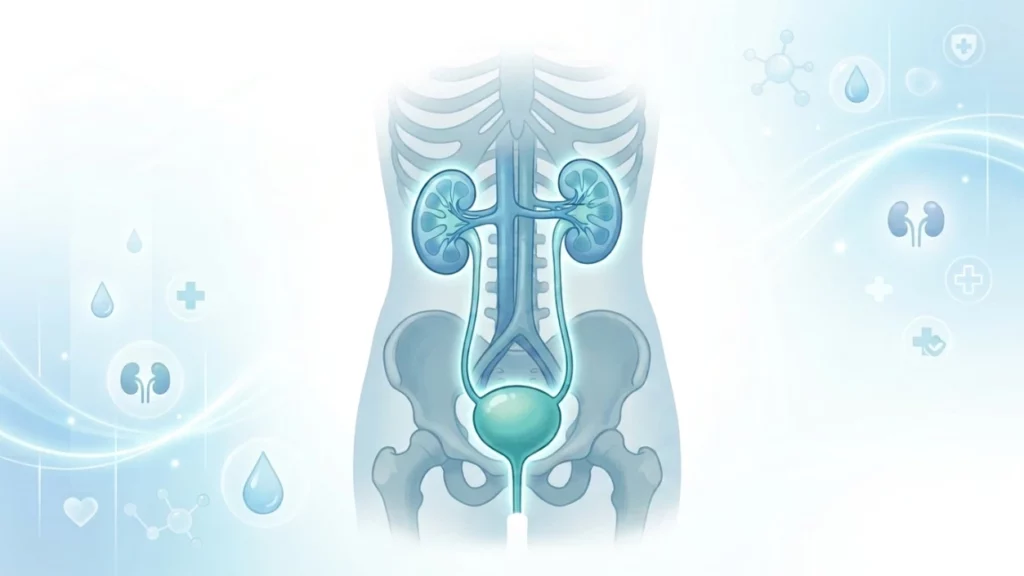

If your primary care provider has mentioned seeing a nephrologist, you may be wondering what that actually means. Nephrology can sound like an unfamiliar word, but understanding it can help you feel more prepared for your visit.
What Is Nephrology?
Nephrology is the branch of medicine focused on the kidneys, including how they work, what can go wrong, and how to treat kidney related conditions. A doctor who specializes in this field is called a nephrologist.
What Does a Nephrologist Do?
A nephrologist evaluates and treats conditions affecting kidney function, including:
- Chronic kidney disease
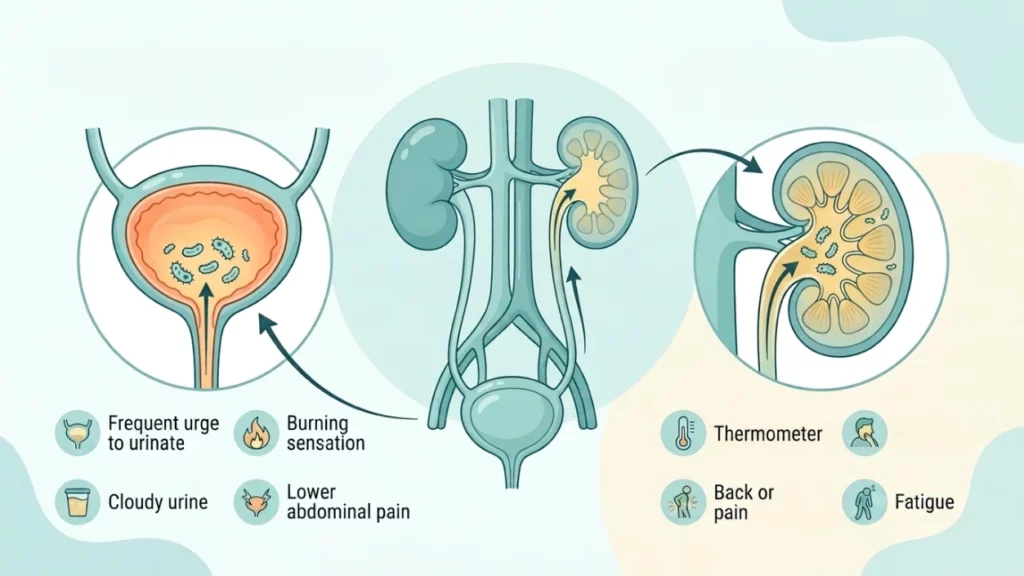
- Kidney stones and recurring urinary tract infections that affect the kidneys
- High blood pressure related to kidney function
- Electrolyte imbalances
- Kidney failure and dialysis care
- Kidney health before or after a transplant
Nephrologists work closely with your primary care provider to create a treatment plan tailored to your needs.
Signs It Might Be Time to See a Nephrologist
Your primary care provider may refer you to a nephrologist if you have:
- Abnormal results on a kidney function blood test
- Protein or blood found in your urine
- High blood pressure that is difficult to control
- A history of kidney stones or repeated kidney infections
- Diabetes with signs of kidney involvement
- A family history of kidney disease
What Happens at Your First Visit?
During your first appointment, your nephrologist will review your medical history, discuss your symptoms and any test results, and may order additional labs or imaging. This helps build a clear picture of your kidney health and guides the next steps in your care.
Why Early Evaluation Matters
Kidney disease often develops slowly and can be present for a while before noticeable symptoms appear. Meeting with a nephrologist early, especially if you have risk factors like diabetes or high blood pressure, can help protect your kidney function for years to come.
When to Seek Care
Talk to your primary care provider about a nephrology referral if you have ongoing concerns about your kidney health, abnormal lab results, or a family history of kidney disease.
Seek emergency care right away if you experience sudden severe pain, an inability to urinate, significant swelling, confusion, or shortness of breath, as these can be signs of a serious kidney related emergency.
How Associated Nephrology Consultants Can Help
Our board of experienced nephrologists is dedicated to empowering lives through comprehensive kidney care. We welcome new patients and referrals throughout Maplewood and the greater Saint Paul, Minnesota area, and we are here to answer your questions with quality care, compassion, and integrity.
This article is for general education and is not a substitute for medical advice. Please talk with a qualified healthcare provider about your specific health situation.
Associated Nephrology Consultants (ANC)
1997 Sloan Place, Suite 17, Maplewood, MN 55117
Phone: 651-772-6251
Hours: Monday to Friday, 8:30 AM to 4:00 PM
Website: ancmn.com