
Understanding Your Back and Side Discomfort
Many people wonder how to tell if a strange ache in their body is coming from an internal organ. It is common to ask what a deep, heavy pain in your upper back area actually means. Waking up with a new, unfamiliar discomfort can quickly cause a lot of worry and stress.
This can feel confusing because your back is full of complex muscles, nerves, and spinal bones that can misbehave. However, learning what kidney pain feels like can help you identify true kidney stress early and seek proper care.
Your body uses physical discomfort as a vital messaging system to pull your attention exactly where it is needed most. When your kidneys experience swelling or irritation, they send out distinct signals that require a careful medical look. Catching these signals early is a highly effective way to keep your body healthy and fully functioning.
We want to reassure you that finding answers does not have to be a stressful or frightening process. Being proactive about your physical sensations gives you the upper hand in managing your personal wellness. Paying attention to these deep aches is a very smart step toward maintaining your daily vitality.
What Is Kidney Pain and How is It Triggered?
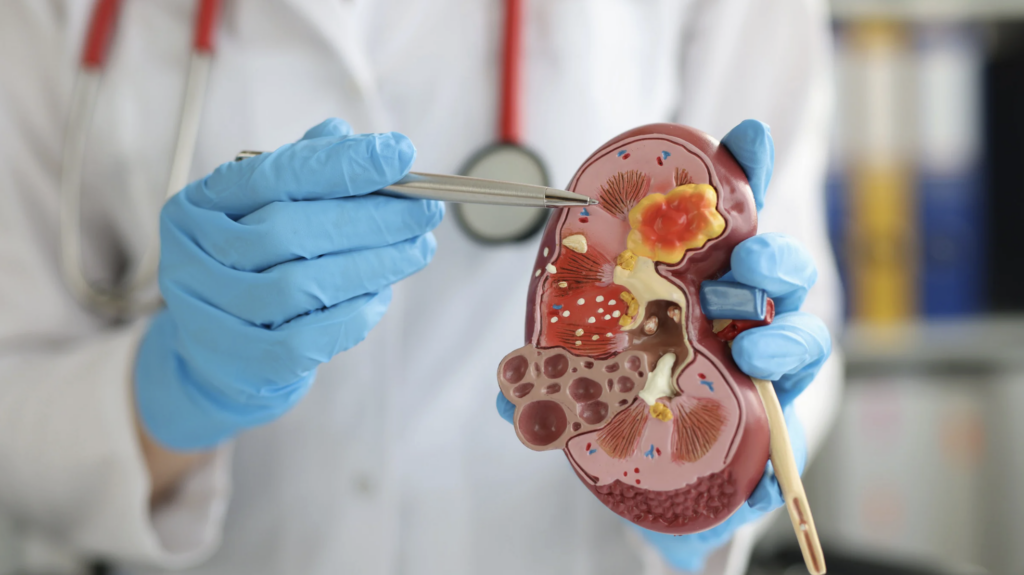
Kidney pain is discomfort that stems directly from a structural or functional issue inside your urinary filtration organs. In the clinical world, doctors often refer to this specific area of discomfort as flank pain. It happens when the tough protective capsule surrounding your kidneys stretches or becomes inflamed.
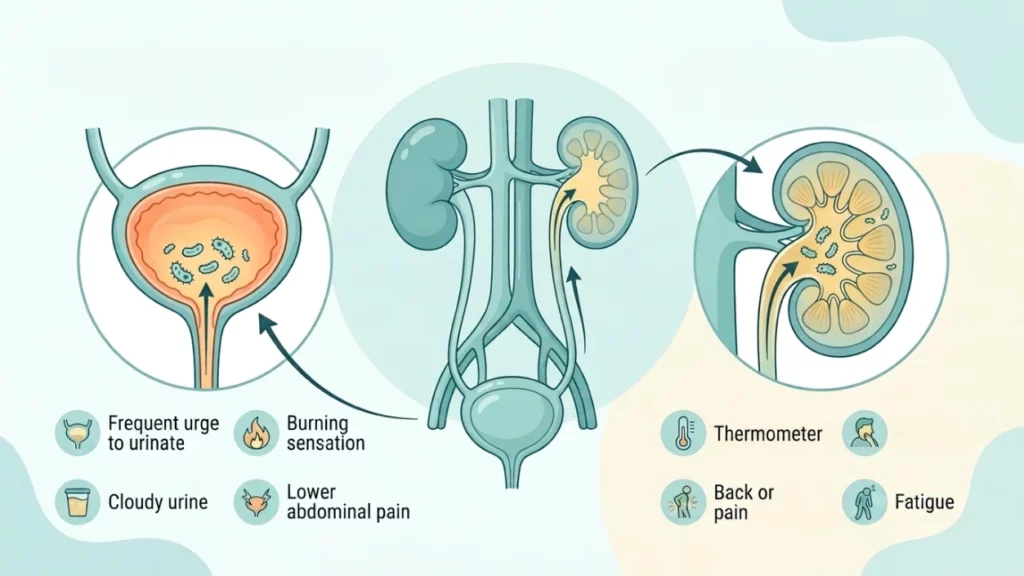
This stretching can occur if an infection causes the organ to swell up rapidly with fluid or inflammation. It can also happen if a hard object blocks the normal downward path of urine away from your kidney tissue.
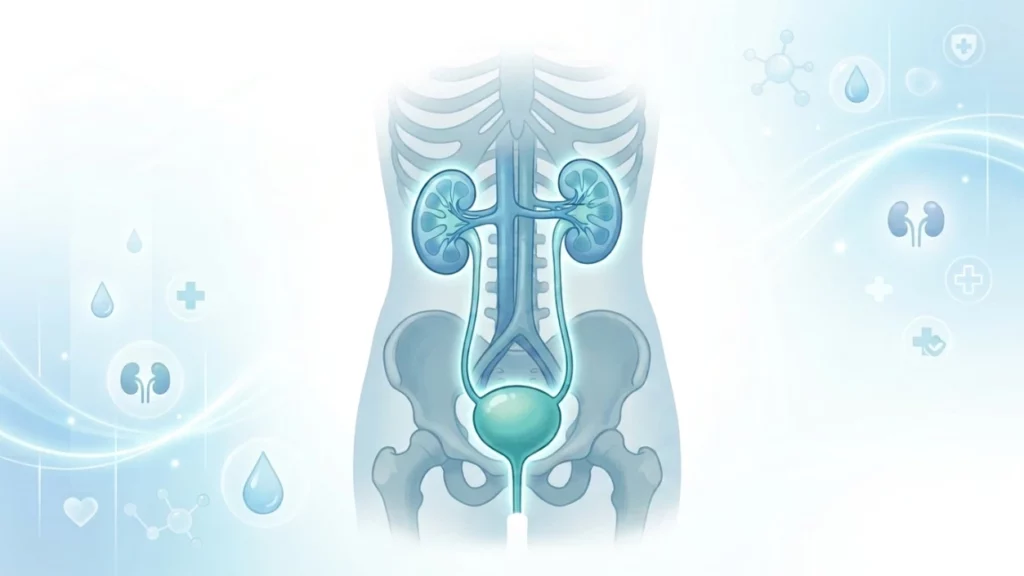
Your kidneys sit nestled high up in your abdomen, tucked safely right against your deep back muscles. They function around the clock to remove metabolic wastes, balance fluids, and help regulate your blood pressure. When something interrupts this smooth process, the surrounding nerves immediately flash a warning signal to your brain.
This is why true kidney pain originates much higher up on your torso than most people initially guess. Understanding this internal anatomy helps you see why the sensation feels so constant and deep.
Recognizing the True Physical Sensation of Kidney Pain
Common descriptions of kidney pain include:
-
A deep, dull, and completely constant ache that does not ease up when you rest.
-
Severe, sharp waves of intense cramping that come and go in unpredictable patterns.
-
A heavy feeling of pressure located right underneath your lower rib cage.
-
Pain that starts in your high back and slowly spreads down into your lower groin.
-
Physical soreness that feels completely unchanged whether you are sitting, standing, or lying down.
-
A severe ache on only one side of your body rather than across your whole back.
These descriptions can show minor variations depending on a person’s age or the underlying medical source of the issue. For example, older individuals may experience a more muted, dull pressure rather than a sharp spike of distress. Men and women might notice the pain spreading toward different areas of the lower pelvic region.
It is vital to monitor whether this deep ache remains steady over several hours or days. Do not expect the sensation to disappear simply by switching your physical posture or using a heating pad. Keeping a close eye on how the ache behaves helps you gather clear information for your medical provider.
Common Causes and Structural Risk Factors
Key factors that cause kidney discomfort include:
-
Bacterial Infections: Bacteria moving up from the bladder can cause sudden swelling and severe aches.
-
Kidney Stones: Hard mineral deposits can get stuck in the exit tubes and block fluid flow entirely.
-
Blood Clots: A sudden blockage in the main renal blood vessels cuts off normal circulation.
-
Polycystic Kidney Disease: Fluid-filled sacs can grow over time and stretch the outer kidney wall.
-
Physical Trauma: A direct blow to your mid-back from a fall or accident can bruise the tissue.
-
Dehydration: Extreme lack of fluids can cause crystals to form, irritating the internal filters.
Understanding these underlying sources helps you realize that kidney pain is always connected to a specific structural change. It highlights why trying to walk off the discomfort or ignoring it is never the safest choice.
When you recognize the risks, you can make better choices to protect your urinary system every single day. Taking care of your body’s plumbing keeps your kidneys comfortable, relaxed, and working perfectly.
Distinguishing Kidney Pain From Other Common Body Aches
People frequently confuse true kidney discomfort with standard lower back muscle strain. A muscle strain usually creates a sore, aching feeling lower down in your lumbar spine near the beltline. Muscle pain also changes dramatically when you bend forward, twist side to side, or attempt to lift something.
Another frequent mix up happens between kidney stress and gallbladder issues on the right side of the body. Gallbladder discomfort usually sits much higher up in the front abdomen, right under the right side of your chest. This pain typically flares up sharply after you eat a heavy, fatty meal.
Many individuals also mistake a mild kidney ache for a simple rib injury or a pinched spinal nerve. A pinched nerve usually shoots a sharp, electric sensation straight down your leg or hip area when you step. Knowing these clear differences helps lower your initial panic when a new ache develops in your back.
When to Seek Professional Consultation From a Specialist
If you are experiencing an unexplained ache under your rib cage, it is wise to seek professional advice. Trying to guess the source of internal pain can lead to unnecessary delays in getting the right care. Seeking guidance early gives you a clear path forward toward feeling comfortable and secure again.
Our dedicated team at Associated Nephrology Consultants in Maplewood, MN is always ready to evaluate your symptoms thoroughly. We use advanced diagnostic approaches to find the exact reason behind your physical discomfort.
Please seek immediate medical evaluation if your back ache is accompanied by a very high fever or severe vomiting. Passing dark red urine or suddenly being unable to pass any urine at all are also urgent warning signs.
For ongoing monitoring and routine wellness checks, keeping your appointments keeps your body protected. Families throughout the greater Saint Paul, Minnesota area can turn to us for reliable, highly compassionate care.
Daily Management and Preventative Techniques
Simple steps to help keep your kidneys comfortable:
-
Drink small amounts of plain water steadily throughout the day to keep your urine pale.
-
Avoid taking over-the-counter pain pills frequently without talking to your regular doctor first.
-
Eat a balanced diet low in processed meats to reduce the load on your filters.
-
Empty your bladder completely whenever you use the restroom to prevent fluid backups.
-
Wear protective gear during contact sports to shield your mid-back from sudden impacts.
-
Keep your blood sugar and blood pressure values inside a safe, recommended range.
Practicing these gentle habits helps minimize stress on your delicate internal filtering units. It creates an ideal environment for your urinary tract to perform its daily duties without irritation.
Always speak with a qualified healthcare provider before making major changes to your daily nutrition or lifestyle choices. They will ensure your habits line up safely with your personal health history.
A Compassionate Closing for Your Peace of Mind
Navigating unexpected physical symptoms can feel lonely, but clear answers are always within your reach. Learning what your body is trying to say is a beautiful form of self-care that pays off over time.
With the right professional support, you can protect your kidney health and maintain an active lifestyle. We are completely committed to providing the steady, reassuring care you need to feel your best.
As a trusted community resource across the Saint Paul, Minnesota region, we treat you like family. Our team combines deep medical knowledge with true empathy to deliver an exceptional patient experience.
Remember that taking small, mindful steps today shields your health for many years to come. Stay positive, listen to your physical signals, and reach out to us whenever you need expert support.
Frequently Asked Questions About Kidney Pain
Where exactly is kidney pain felt in the body?
Kidney pain is typically felt in your back or sides, right below your lower rib cage. This area is often called the flank region and sits higher up than standard lower back pain. The discomfort can sometimes spread forward into your belly or down into your lower groin area.
Does drinking water make kidney pain go away?
Drinking water can help flush out your system if the ache is from dehydration or a tiny stone. However, if an infection or a major blockage is present, water alone will not fix the issue. It is always safest to have a doctor check your symptoms to find the true cause.
Can anxiety cause you to feel kidney pain?
Anxiety can cause your muscles to tense up severely, which can mimic aches near your mid-back area. However, true kidney pain stems from an actual physical change or swelling within the organ itself. A quick medical evaluation can help separate muscle tension from an actual kidney issue.
How do I know if my pain is a muscle or a kidney?
Muscle pain usually changes when you move your body, stretch, or change your physical position in a chair. Kidney pain remains steady, deep, and throbbing no matter how you sit, stand, or lie down. Kidney pain is also frequently accompanied by other symptoms like changes in your urine.
Is kidney pain always a sign of something dangerous?
Not all kidney pain means you have a dangerous or life-threatening condition. Many causes, like a mild bladder infection or small stones, are very treatable when managed early by a professional. Seeking timely medical advice keeps small issues from turning into major health problems later.
Can I schedule a symptom evaluation at ANC?
Yes, you can absolutely schedule an evaluation at Associated Nephrology Consultants in Maplewood, MN. Our expert providers specialize in diagnosing and managing all types of kidney-related issues and discomfort.