
Kidney infections are a serious health condition that many people mistake for other problems like back pain or a urinary tract infection. Because the symptoms can appear suddenly or feel mild at first, many people delay seeking medical care.
Understanding kidney infection symptoms early can help you recognize when something is wrong and when it may be time to talk with a healthcare provider. Early detection plays an important role in protecting your kidneys and preventing complications.
What Is a Kidney Infection
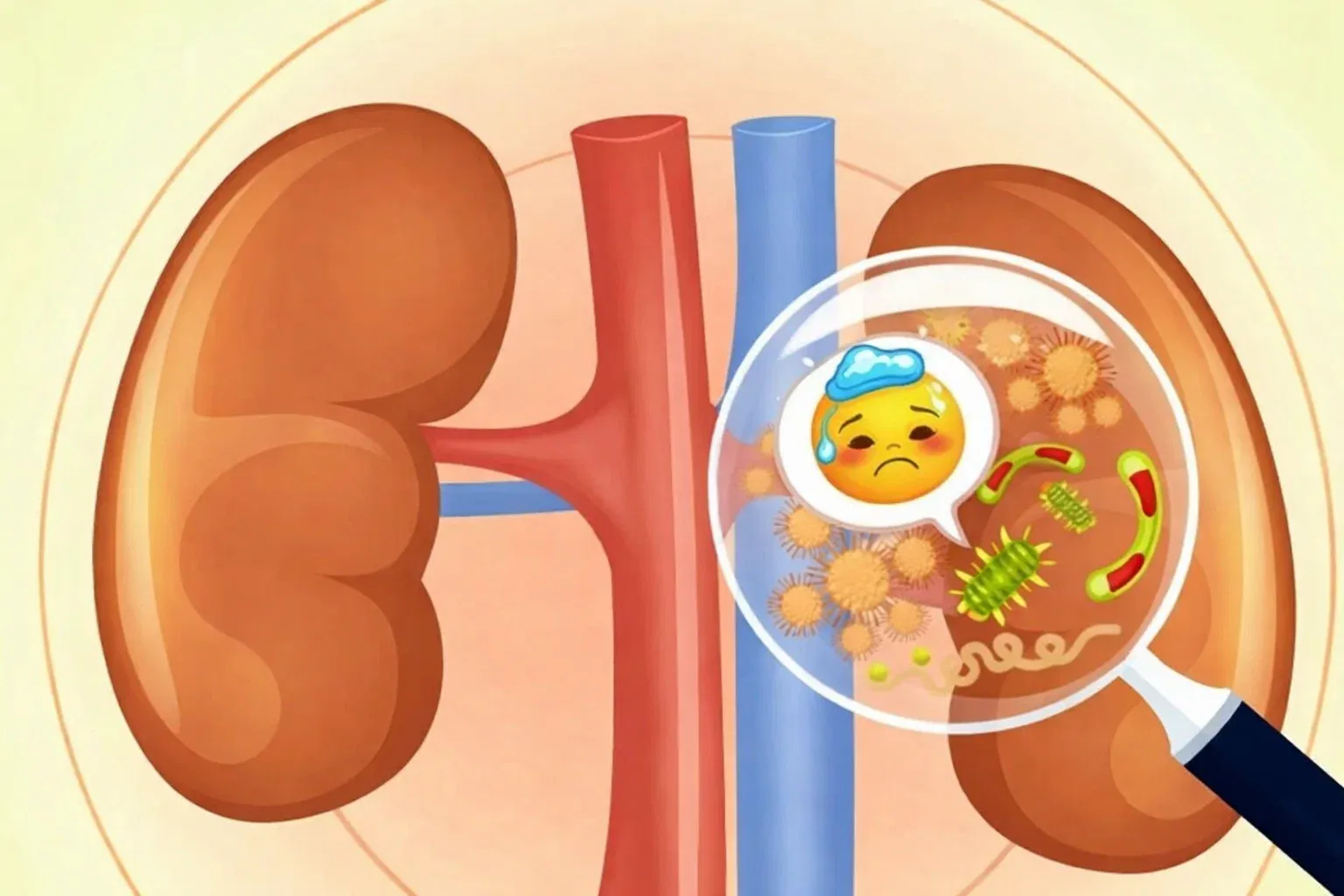
A kidney infection is a type of urinary tract infection that spreads to one or both kidneys. The kidneys are two bean shaped organs located in your lower back, just below your rib cage. They help filter waste and extra fluids from your blood.
When bacteria enter the urinary system and travel upward from the bladder, they can reach the kidneys and cause an infection. If untreated, the infection can affect how the kidneys function and may lead to serious health issues.
Common Kidney Infection Symptoms
Kidney infection symptoms can appear quickly and may become severe if the infection spreads. Some symptoms may feel similar to a urinary tract infection, but kidney infections often include additional warning signs.
Common symptoms include
• Pain in the lower back or side of the body
• Fever and chills
• Frequent urge to urinate
• Burning sensation during urination
• Cloudy or strong smelling urine
• Blood in the urine
• Nausea or vomiting
• Feeling very tired or weak
Some people also experience pain that spreads from the back toward the lower abdomen or groin.
Where Kidney Infection Pain Is Usually Felt
Many patients confuse kidney pain with muscle pain or back strain. However, kidney infection pain is usually felt in a specific area.
The pain often appears
• In the middle or upper back
• On one side of the spine
• Just below the ribs
• Deep inside the body rather than near the skin
The pain may feel dull, sharp, or constant depending on how severe the infection is.
What Causes a Kidney Infection
Kidney infections usually begin when bacteria enter the urinary tract. The infection may start in the bladder and move upward into the kidneys.
Several factors can increase the risk of developing a kidney infection.
Common risk factors include
• Untreated urinary tract infections
• Blockages in the urinary tract such as kidney stones
• Weakened immune system
• Diabetes
• Structural issues in the urinary system
• Frequent bladder infections
Understanding these risk factors can help people recognize when symptoms might be related to kidney health.
Kidney Infection Symptoms vs Urinary Tract Infection
Many people wonder how kidney infection symptoms differ from a regular urinary tract infection.
Both conditions may cause burning during urination and frequent trips to the bathroom. However, kidney infections often include additional symptoms such as fever, chills, nausea, and severe back pain.
If symptoms become more intense or include fever and body pain, it is important to seek medical evaluation.
When to See a Doctor
Kidney infections should always be evaluated by a healthcare professional. Waiting too long can allow the infection to worsen or spread.
You should seek medical care if you experience
• Persistent fever
• Severe back or side pain
• Blood in the urine
• Nausea or vomiting with urinary symptoms
• Symptoms that continue to worsen
A healthcare provider can determine the cause of your symptoms and recommend appropriate care.
How Kidney Infections Are Usually Diagnosed
Doctors typically diagnose kidney infections using a combination of symptoms, physical examination, and laboratory testing.
Common diagnostic steps may include
• Urine tests to detect bacteria or infection
• Blood tests to check for signs of infection
• Imaging tests if complications are suspected
Early diagnosis allows treatment to begin before the infection causes serious damage to the kidneys.
Protecting Your Kidney Health
Taking steps to protect your urinary system can help reduce the risk of infections that may spread to the kidneys.
Helpful habits include
• Drinking enough water daily
• Practicing good personal hygiene
• Treating urinary infections promptly
• Managing chronic health conditions such as diabetes
• Scheduling routine medical checkups
Small habits can play an important role in supporting long term kidney health.
Final Thoughts on Kidney Infection Symptoms
Kidney infection symptoms should never be ignored. While some symptoms may seem mild at first, the infection can progress quickly without treatment.
Recognizing warning signs such as fever, back pain, and changes in urination can help you take action early. If you notice symptoms that concern you, speaking with a healthcare professional can help ensure you receive proper care and protect your kidney health.
Frequently Asked Questions About Kidney Infection Symptoms
What are the first signs of a kidney infection
Early kidney infection symptoms often include fever, back or side pain, frequent urination, and burning during urination. Some people may also feel tired or notice cloudy urine. These symptoms can worsen quickly, so medical evaluation is important.
Can kidney infection symptoms feel like back pain
Yes. Many people mistake kidney infection symptoms for muscle related back pain. Kidney pain is usually felt deeper in the body, often near the sides of the spine below the ribs, and may be accompanied by fever or urinary symptoms.
How serious is a kidney infection
Kidney infections can become serious if left untreated. The infection may spread into the bloodstream or cause permanent kidney damage. Early diagnosis and treatment are important to prevent complications.
Can a kidney infection go away on its own
Kidney infections typically require medical treatment. Without proper care, the infection may worsen and lead to more severe health problems. If symptoms appear, it is best to seek guidance from a healthcare professional.
How long do kidney infection symptoms last
The duration of symptoms varies depending on the severity of the infection and how quickly treatment begins. Many people begin to feel better within a few days of treatment, but full recovery may take longer.