
Navigating Dialysis and Life Expectancy Together
When a loved one starts dialysis it raises a lot of questions and emotions. One of the biggest concerns for patients and families is understanding how dialysis affects life expectancy. This guide helps explain what dialysis is, how it works, the key factors that influence life expectancy, and how families can support their loved ones through every step of the journey.
This information is meant to both educate and reassure patients and their families that with knowledge and supportive care it is possible to live well with dialysis.
What Dialysis Is and Why It Matters
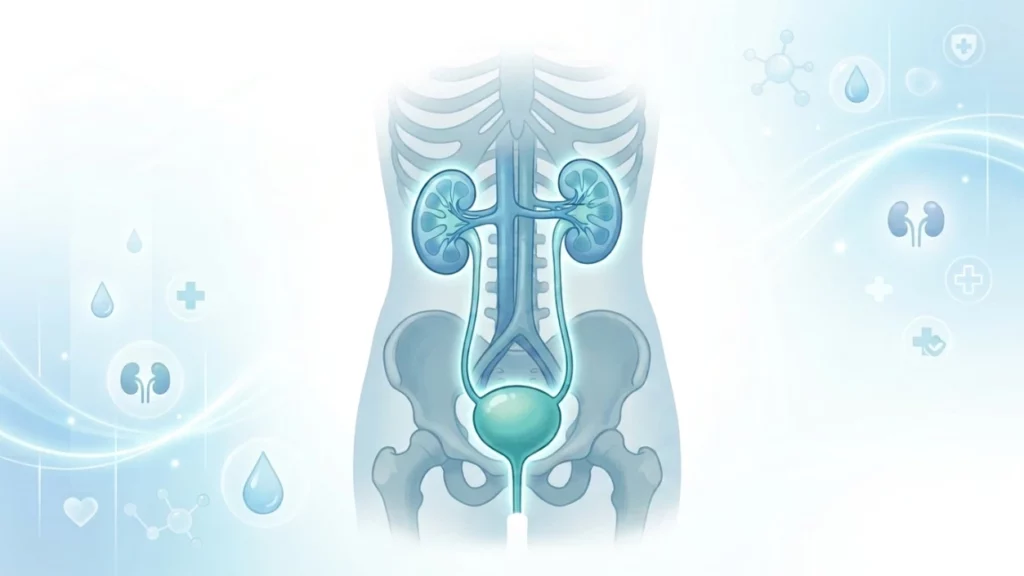
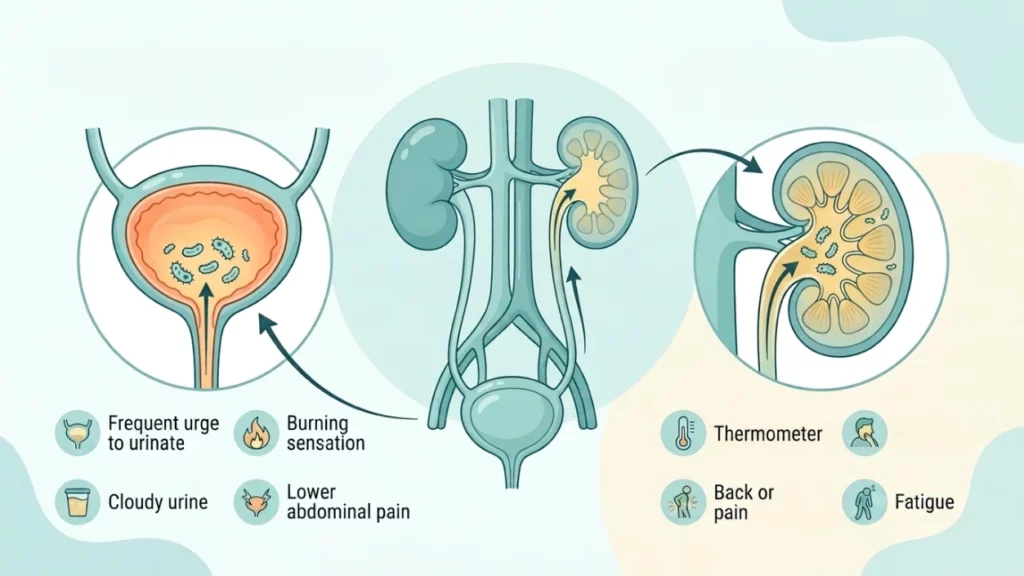
Dialysis is a medical treatment that takes over the essential functions of the kidneys when they can no longer do their job. The kidneys filter waste, balance fluids, regulate minerals, and help control blood pressure. When kidneys fail these functions dialysis helps keep the body in balance.
There are different types of dialysis and each provides life sustaining treatment. Dialysis allows people with kidney failure to continue living and managing their health long term.
Types of Dialysis Patients Should Know About
In Center Hemodialysis
In center hemodialysis is performed at a treatment center several days each week. A machine filters the blood while a trained healthcare team assists. This option is common and offers consistent support from professionals.
Home Hemodialysis
Home hemodialysis provides the same blood filtering process but is done at home with support and training from a care team. Some patients feel more comfortable receiving treatment in their own environment.
Peritoneal Dialysis
Peritoneal dialysis uses the lining of the abdomen to filter waste and is usually done at home. It allows more flexibility and can fit around daily routines.
Each type of dialysis has benefits and challenges. Patients and care teams work together to choose the best fit for health goals and lifestyle.
Understanding Life Expectancy on Dialysis
Life expectancy on dialysis varies widely from person to person. There is no single number that fits everyone. Many factors influence how long someone lives with dialysis and families should focus on what can be supported and improved.
Some general patterns seen in research include many people living 5 to 10 years on dialysis and some living 15 years or more with good care and support. These figures are averages based on large groups of patients. Each person’s health story is unique.
Key Factors That Influence Life Expectancy
Age at the Start of Dialysis
Age plays a role in outcomes. Younger patients often have fewer additional health conditions and may manage treatment well over long periods. Older adults also live with dialysis and can enjoy meaningful lives with supportive care.
Overall Health and Other Conditions
Health conditions such as heart disease, diabetes, or lung issues can influence outcomes. Managing these conditions with the guidance of medical professionals is important for life expectancy and quality of life.
Dialysis Treatment Type and Quality
Choosing the right type of dialysis and having a consistent treatment routine supports better health outcomes. Patients who follow their treatment plans and communicate closely with their care team often experience fewer complications.
Nutrition and Fluid Balance
Eating a healthy, kidney friendly diet helps maintain energy, balance minerals, and manage fluid levels. A dietitian familiar with kidney disease can create a personalized plan that supports overall health.
Activity and Movement
Gentle activity approved by a care provider helps maintain strength, supports heart health, and improves mood. Movement allows patients to stay engaged with life and feel more in control of their health.
Support from Family and Caregivers
Families and caregivers play a vital role. Support may include helping with transportation to appointments, encouraging treatment routines, preparing meals, or simply offering emotional support. This involvement increases patient confidence and engagement in their own care.
Tips for Improving Life Expectancy and Quality of Life on Dialysis
Patients can take practical steps to improve outcomes and feel better daily. These include:
Stay Consistent with Treatment
Regularly attending dialysis sessions and following care team guidance helps the body stay balanced and avoid preventable complications.
Follow a Kidney Friendly Diet
Work with a dietitian to include foods that support energy and health while managing minerals and fluid intake.
Keep Up with Heart Health
Heart health is closely connected with kidney health. Managing blood pressure, cholesterol, and weight helps support overall long term health.
Stay Active With Guidance
Keep moving with activities that match ability and comfort. Movement supports mood, strength, and circulation.
Stay Connected With Loved Ones
Emotional well being is important. Patients who feel supported often handle treatment better and feel more hopeful.
Learn About Transplant Options
For some patients a kidney transplant is a long term goal. Transplant may provide more freedom from dialysis and often offers a longer life expectancy. Patients should talk to their care team about transplant evaluation.
What Families Should Know and Do
Families who understand dialysis and life expectancy can support loved ones with confidence. Being informed helps family members take part in care decisions, support daily routines, and encourage healthy habits. Open communication between patient family and healthcare providers creates a stronger support system.
Life Beyond Numbers
Life expectancy is one part of the story. Living well with dialysis involves daily routines, connections, meaningful activities, and a plan that supports both health and happiness. Many people on dialysis work, travel, spend time with family, and pursue activities they enjoy.
What matters most is not just how long a person lives but how they feel while living. A focus on strength quality of life connection and support creates a positive daily lived experience for patients and families.
Conclusion: Hope and Action in Dialysis Care
Understanding dialysis and life expectancy helps patients and families approach treatment with confidence and clarity. While life expectancy varies for everyone the factors that influence it are often things that patients families and care teams can work on together.
With supportive care healthy habits and strong emotional connection patients can live fulfilling lives with dialysis. Knowledge is power and support is essential. Every day lived well on dialysis is a success worth celebrating.
FAQs
What is dialysis and how does it affect life expectancy?
Dialysis replaces kidney function by filtering blood and balancing fluids. Life expectancy varies based on health, age, and treatment management.
Can families help improve outcomes for dialysis patients?
Yes, emotional support, helping with diet, and encouraging treatment adherence all help patients stay engaged in their care.
Does dialysis shorten life compared to transplant?
For many people, a successful kidney transplant may offer longer life expectancy and better quality of life compared to dialysis.
How can patients prepare for life on dialysis?
Learning about dialysis options, attending appointments, and understanding lifestyle changes helps patients adapt and live well.
What lifestyle choices support better life expectancy on dialysis?
Healthy eating, gentle activity, managing other health conditions, and staying connected to support are all important.