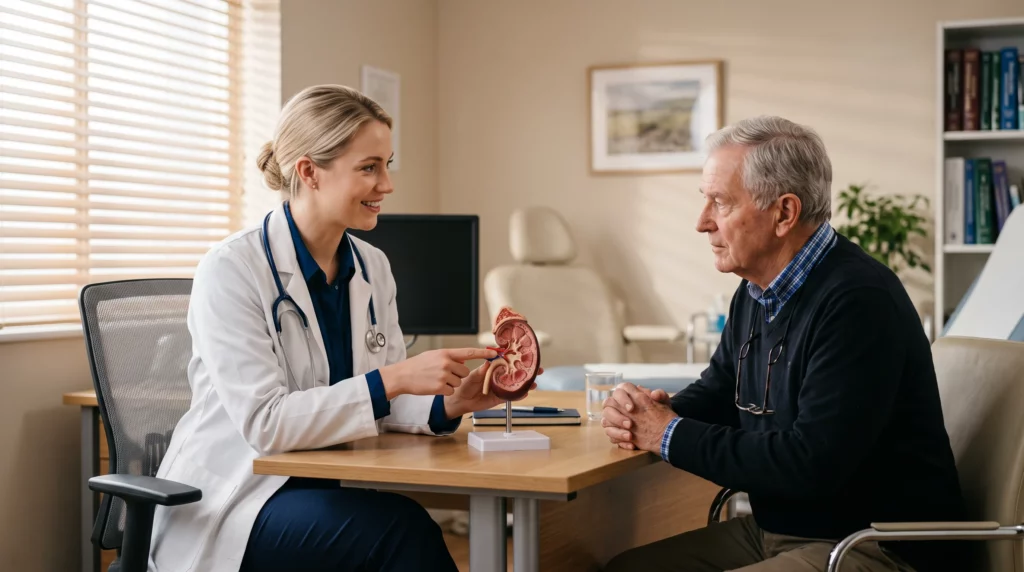
Kidney stones are hard, mineral rich deposits that form inside your kidneys when certain substances in the urine become concentrated. Even though they can be very small, the discomfort they cause can be intense. For many patients, understanding what kidney stones feel like helps them recognize when to seek medical care and how to talk with their healthcare team, including specialists like Associated Nephrology Consultants.
Where Kidney Stone Pain Usually Starts
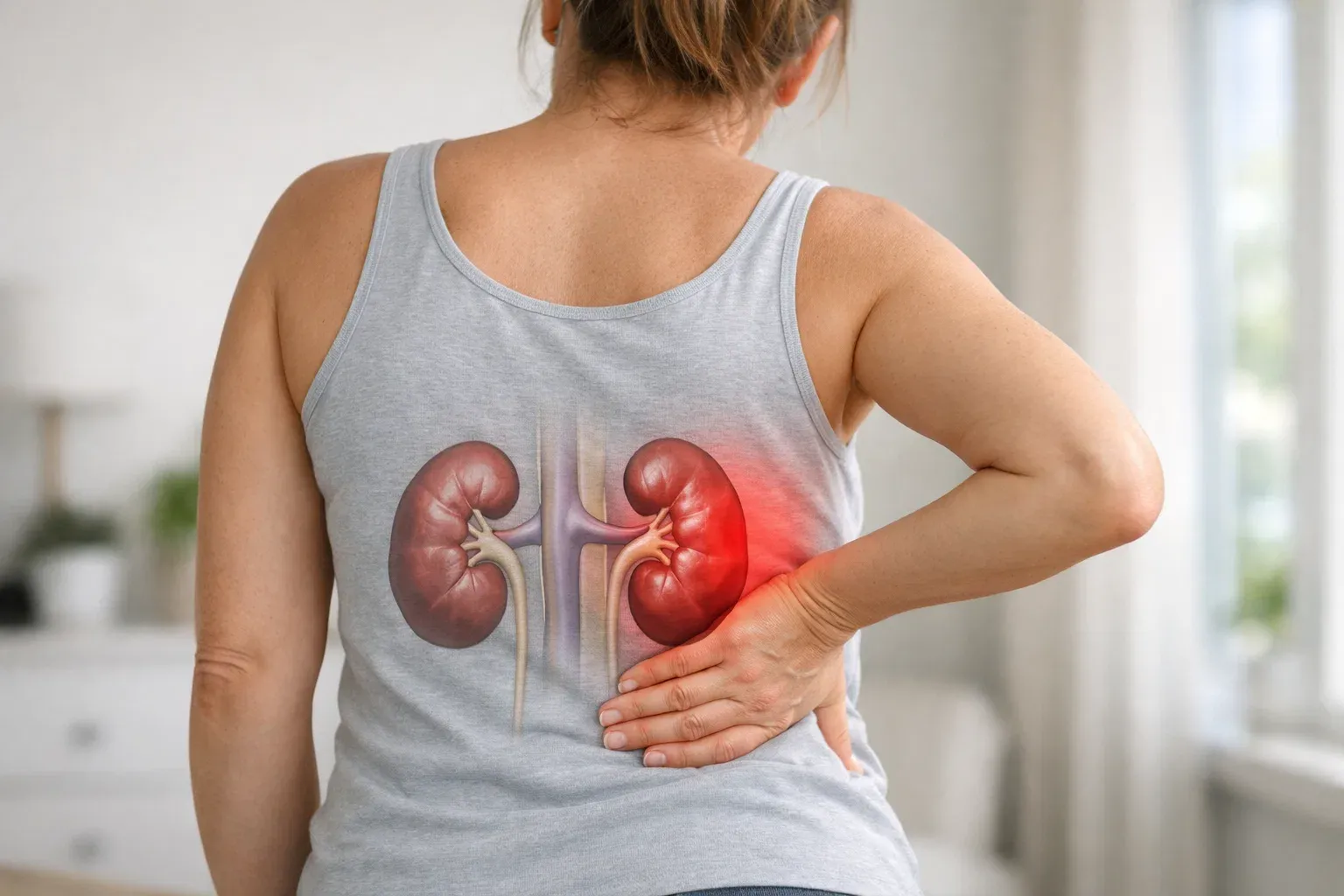
Kidney stone pain most often begins in the area just below the ribs on one side of the back. This is where the kidneys are located. Unlike muscle related back pain, this type of discomfort usually feels deeper and does not improve with stretching, rest, or change in body position.
As the stone moves from the kidney into the ureter, the narrow tube that connects the kidney to the bladder, the pain can travel. It may spread toward the lower abdomen, groin, or even the inner thigh. The shifting location of the pain is a key sign that a kidney stone may be moving.
How Kidney Stone Pain Feels
People describe kidney stone pain in different ways, but common feelings include:
• Sharp, stabbing sensations
• Cramping or squeezing discomfort
• Waves of pain that rise and fall rather than staying constant
A typical pattern is for the pain to come suddenly, reach severe intensity, then ease briefly before returning again. Many patients say that the pain is so strong it is hard to stay still. Some feel the urge to move around, pace, or shift positions constantly in search of relief, but nothing seems to help.
Other Symptoms That Often Come With Kidney Stones
Kidney stone pain is rarely the only symptom. Additional signs may include:
• Nausea or vomiting due to intense pain
• Painful or frequent urination
• Urgency to urinate
• Blood in the urine, which can make it look pink, red, or brown
In some cases, fever or chills can develop. This may signal an infection in the urinary tract or kidney, which requires immediate medical care.
How Kidney Stone Pain Is Different From Back Pain
Back pain from muscles or joints usually stays in one area and often improves with rest, stretching, or movement. Kidney stone pain behaves differently. It does not typically respond to motion changes and may travel to other parts of the body.
If you experience back or flank pain together with urinary symptoms, nausea, or pain that radiates toward the groin, it is more likely related to the kidneys than from muscles.
When to See a Doctor
You should talk to a healthcare provider if the pain becomes severe, does not go away, or comes with symptoms such as fever, vomiting, or difficulty urinating. Early diagnosis can prevent complications and allow timely pain management and stone treatment.
Nephrology specialists like those at Associated Nephrology Consultants can help diagnose kidney stones, guide treatment options, and support you in preventing future stones through personalized care and lifestyle recommendations.
How Kidney Stones Are Treated
How a kidney stone is treated depends on its size and location. Small stones often pass naturally on their own with increased fluid intake and pain management. Drinking plenty of water can help flush the stone through the urinary system.
Larger stones or stones that cause complications may require:
• Medications to relax the ureter and reduce discomfort
• Procedures to break the stone into smaller pieces
• Minimally invasive surgery to remove or reposition the stone
Your healthcare provider may also recommend tests to understand why the stone formed and how to reduce the risk of future stones.
Frequently Asked Questions
What does kidney stone pain feel like?
Kidney stone pain is often sharp, severe, and comes in waves. It may begin in the back and flank and move toward the lower abdomen or groin.
Can kidney stones cause nausea?
Yes. Severe pain from stones can trigger nausea and sometimes vomiting.
Do all kidney stones cause pain?
Smaller stones may pass with little or no pain, but many stones cause significant discomfort, especially if they block urine flow.
Is kidney stone pain constant or intermittent?
Pain usually comes in waves but may feel constant during intense episodes or when the stone blocks the urinary tract.
How can I ease kidney stone pain at home?
Drinking water and using pain relief recommended by a healthcare provider may help. Always consult a doctor before taking medications. Persistent or severe pain should be evaluated.
Will I need surgery for kidney stones?
Not always. Many stones pass on their own. Larger stones or ones that cause complications may need medical procedures.
Can kidney stones lead to infection?
Yes. If a stone blocks urine flow, it can increase the risk of infection, which needs prompt medical attention.
Can diet changes help prevent stones?
Yes. Your doctor may suggest diet changes or fluid habits that reduce stone formation based on the type of stone you have.