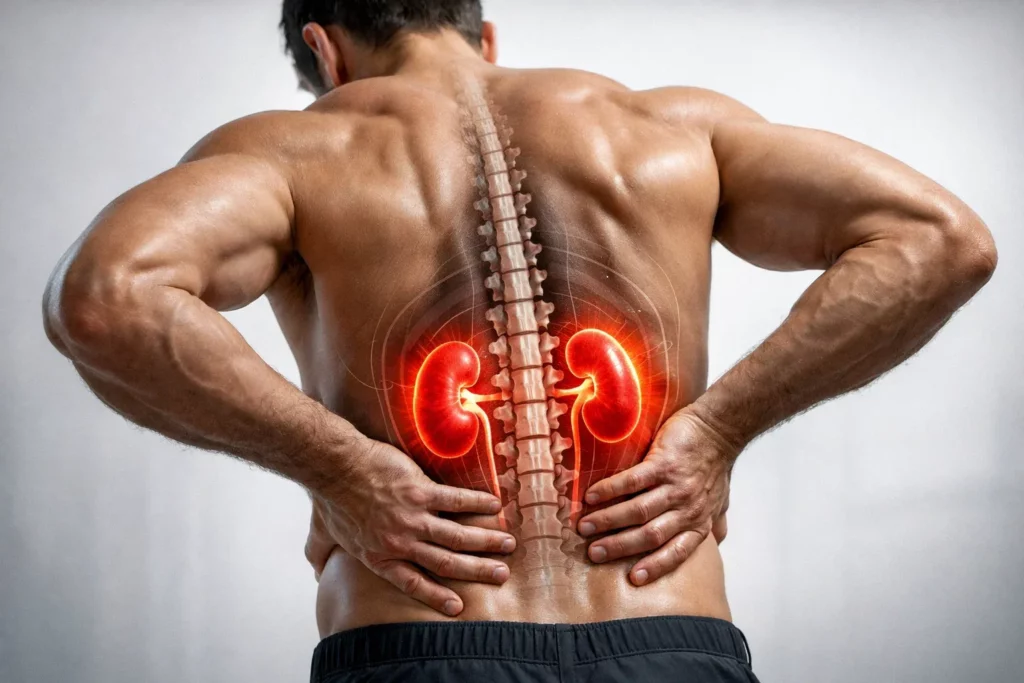

Living with kidney failure brings many questions. One of the most common concerns people have is how long someone can live on dialysis. It is understandable to want clarity when facing a health change that affects daily life, energy, and long‑term plans. The answer is not one simple number. Many factors influence life expectancy on dialysis, and people’s experiences vary widely.
Understanding Dialysis and Its Role
Dialysis is a treatment that does some of the work healthy kidneys normally do. It removes waste, extra salt, and excess fluid from the blood. There are two main types of dialysis. One is hemodialysis, where blood is cleaned by a machine, usually in a clinic or center. The other is peritoneal dialysis, where the lining of the abdomen helps filter blood inside the body. Both treatments support life when the kidneys can no longer function well.
Although dialysis supports many necessary functions, it does not replace all the roles of healthy kidneys. Because of this, people on dialysis still face health challenges. Dialysis gives the body time and support, and for many it allows a full and active life for many years.
Average Life Expectancy on Dialysis
There is no universal lifespan for someone on dialysis. Medical studies often show average survival statistics, but these are estimates based on large groups, not individual predictions. Many people live five, ten, or even more years after starting dialysis. Some live 20 years or longer with proper care, lifestyle changes, and health support.
It is useful to think of survival estimates like weather forecasts. They give a range of likely outcomes, but each person’s journey is different.
Factors That Affect How Long You Can Live on Dialysis
Several key factors influence life expectancy on dialysis:
Age and Overall Health
Younger people and those without serious heart disease, diabetes, or other major health issues often do better on dialysis. When the body has fewer competing health challenges, it can adapt more easily.
Nutrition and Weight
Good nutrition supports strength and recovery. People who eat balanced meals and maintain a healthy weight tend to tolerate dialysis better and have improved outcomes.
Treatment Consistency
Showing up for all scheduled dialysis treatments and following your care plan makes a big difference. Skipping sessions or not taking medications as prescribed affects your body’s ability to stay balanced.
Type of Dialysis
Some people thrive on home dialysis, where treatments are more frequent and gentler. Others do well with in‑center dialysis. Choosing the right type of dialysis with your care team can influence quality of life.
Emotional Support and Mental Health
Living with kidney failure is more than a physical challenge. Emotional resilience, support from family and friends, and access to counseling or support groups help people stay engaged and positive. These social factors matter for long‑term well‑being.
Heart and Blood Vessel Health
Heart disease is a leading concern for people on dialysis. Taking steps to manage blood pressure, cholesterol, and other heart risk factors supports your long‑term health.
What Life Can Look Like on Dialysis
Dialysis has changed over the years, and many people continue work, travel, and active hobbies while on treatment. People adapt routines around their dialysis schedule, and many find ways to enjoy family, community, and meaningful activities.
Some challenges remain. Fatigue after sessions, dietary limits, and managing medications are part of daily life. Still, many people on dialysis build stable routines and enjoy life for many years.
Looking Toward a Transplant
For some, kidney transplant becomes an option. A transplant can offer improved quality of life and longer life expectancy compared with dialysis alone. Not everyone is a candidate, but for those who are, transplant evaluation and listing can be life‑changing. Even while waiting for a transplant, dialysis continues to support life and health.
Living Well With Support
Dialysis works best as part of a team approach. Your nephrologist, nurses, dietitian, social worker, and family all play a role in helping you stay healthy. Regular lab tests, honest conversations about symptoms, and adjustments to your care plan help you stay on track.
Finding Meaning Each Day
“How long can you live on kidney dialysis” is a deeply personal question. Many people live years beyond their expectations. Rather than focusing on a single number, the emphasis is on quality of life, daily steps, and support systems that help you live well.