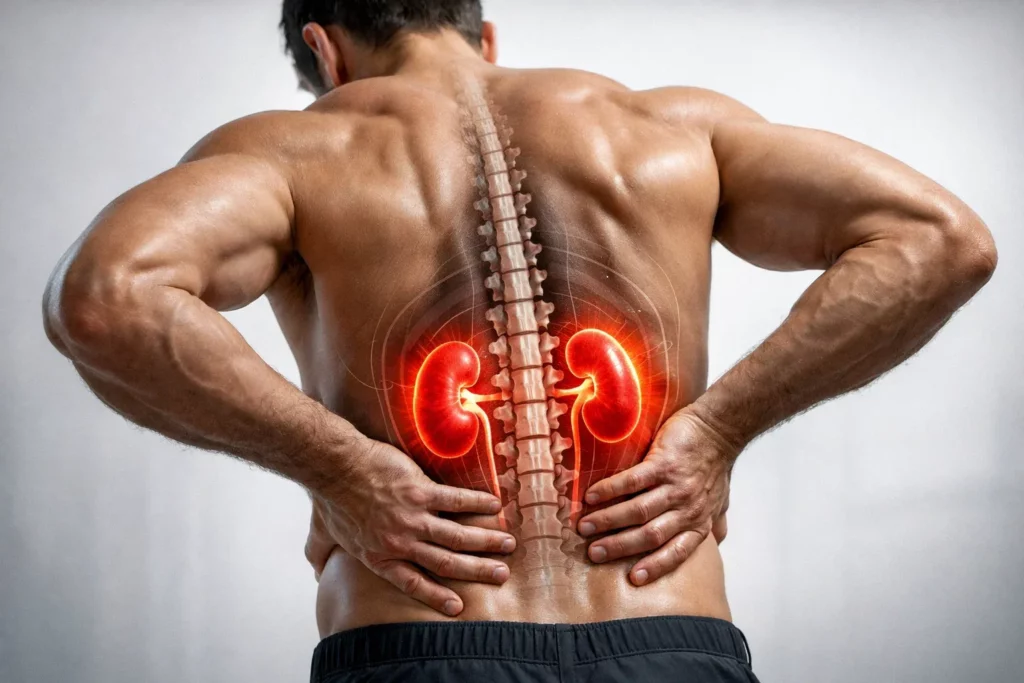

Understanding How Dialysis Affects Life Expectancy
Facing dialysis brings many questions about what life might look like in the years ahead. One of the most important concerns for patients and families is how dialysis affects life expectancy. Dialysis does not cure kidney failure but it supports vital body functions and enables many people to continue living with purpose and connection.
This guide explains how dialysis affects life expectancy, the key factors that influence outcomes, and what patients and families can focus on to support long term health and quality of life.
What Dialysis Does for Your Body
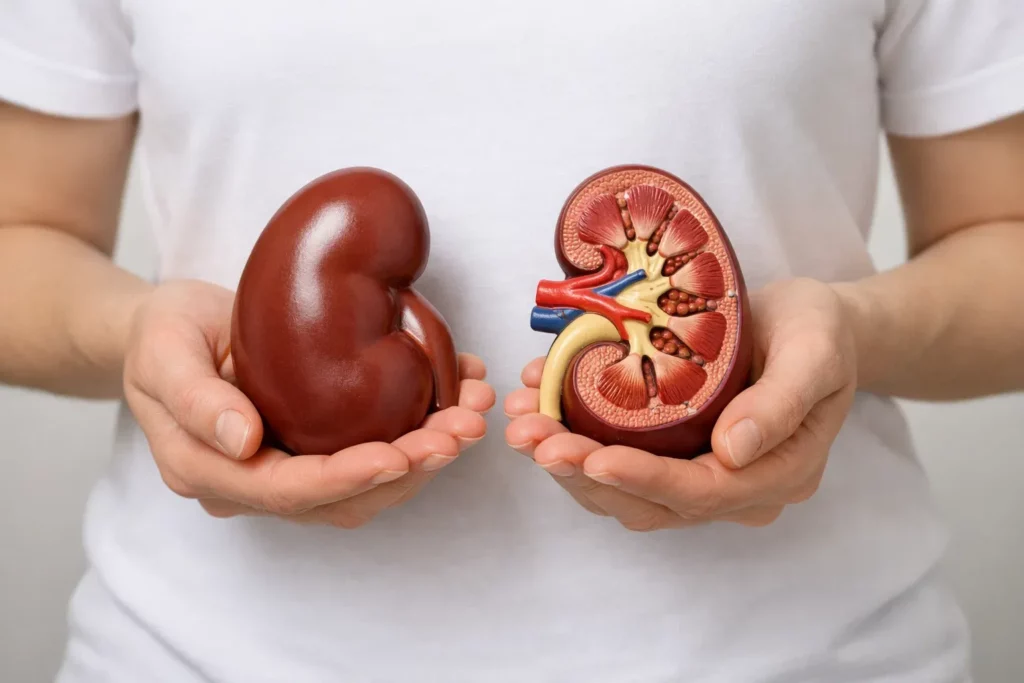
Dialysis takes over essential tasks that healthy kidneys perform. Kidneys filter waste, balance fluids and help regulate minerals and blood pressure. When kidneys stop working, the body accumulates toxins and fluid that can strain other organs. Dialysis removes waste and excess fluid and helps maintain balance so the body can function more normally.
By doing these important jobs dialysis enables people with kidney failure to continue living and engaging in daily life.
Life Expectancy on Dialysis Is Not One Single Number
There is no single life expectancy that applies to everyone on dialysis. Researchers measure outcomes for large groups of patients to find average trends, but every person has unique health factors that affect how long they live. Many patients live five years or more after beginning dialysis and some live well beyond ten or fifteen years.
Statistics help provide context but they do not determine what will happen for any one individual. What matters most is understanding the factors that influence outcomes and how to work with your care team to manage health.
Age and Health Conditions That Influence Outcomes
Age and Life Expectancy
Age influences life expectancy because younger people often have fewer chronic health conditions and stronger resilience. That said older adults also live meaningful lives on dialysis and stay active with proper care and support.
Age is one factor among many. Overall health and how well other medical conditions are managed have a large impact on outcomes.
Managing Other Health Conditions
Many people who need dialysis also have other health conditions such as diabetes, high blood pressure or heart disease. Managing these conditions well with medication regular medical care healthy lifestyle habits and open communication with healthcare professionals supports better outcomes on dialysis.
Lifestyle and Daily Habits That Affect Life Expectancy
Nutrition and Fluid Balance
Eating a balanced, kidney friendly diet supports energy levels and helps manage electrolytes and fluid balance. Some foods may be limited to control potassium, phosphorus and sodium levels. A dietitian who specializes in kidney disease can create a personalized plan that supports daily health and energy.
Managing fluid intake is important because too much fluid between treatments can strain the heart and cause swelling or breathing issues. Your care team can help you set fluid goals that match your health needs.
Physical Activity and Staying Mobile
Movement supports muscle strength, circulation, heart health and mood. Physical activity does not need to be strenuous to be beneficial. Activities such as walking, stretching, light resistance exercises and any activity approved by your care provider help the body stay strong and improve overall well being.
Emotional Support and Connections
Emotional health plays a strong role in how patients experience life on dialysis. Patients who feel supported by family, friends or support groups often report feeling more confident in their care routines and more hopeful about the future. Talking with a counselor or joining a support group provides additional strength and connection.
Consistency With Treatment and Follow Up Care
Attending dialysis sessions regularly, taking medications as prescribed and following up with medical appointments supports the body in staying balanced and reduces preventable complications. Communicating openly with your care team about symptoms, concerns and goals helps tailor care and catch changes early.
Being active in your own care often leads to better health outcomes and a sense of confidence.
Heart Health and Its Role in Life Expectancy
People with kidney failure often have heart related concerns. This makes heart health an important part of life on dialysis. Monitoring blood pressure, managing cholesterol, eating heart healthy foods and staying physically active all support both cardiovascular health and life expectancy.
Comparing Dialysis and Transplant Life Expectancy
For many patients a kidney transplant becomes part of their future planning. A successful transplant often offers a longer life expectancy and improved quality of life compared to long term dialysis. Not everyone is eligible for transplant based on health status and other factors. Talking with your care team about transplant evaluation helps you understand if this path is right for you.
Transplant requires evaluation, waiting lists and preparation but it remains an important option for many patients.
Supporting Life Beyond Numbers
Life expectancy statistics offer helpful information but they are part of a bigger picture. Patients thrive when they focus on daily quality of life, emotional well being, meaningful activities and connections with loved ones. Many people on dialysis work, travel, enjoy family events and pursue hobbies while living with treatment.
Quality of life matters as much as length of life. Feeling connected, having a sense of purpose and pursuing activities that bring joy all contribute to thriving on dialysis.
Conclusion A Realistic View of Dialysis and Life Expectancy
Understanding how dialysis affects life expectancy helps patients and families approach this phase of life with confidence and clarity. Dialysis supports vital body functions and enables many people to live long meaningful lives when treatment, daily habits and support systems come together.
Life on dialysis is individual and personal. By focusing on health, good routines, emotional support and connection patients can not only live longer but experience daily life with joy, purpose and strength.