
Understanding what causes a kidney infection, and how it is typically treated, can help take some of the fear out of a diagnosis. Most kidney infections are very treatable, especially when caught early.
What Causes a Kidney Infection?
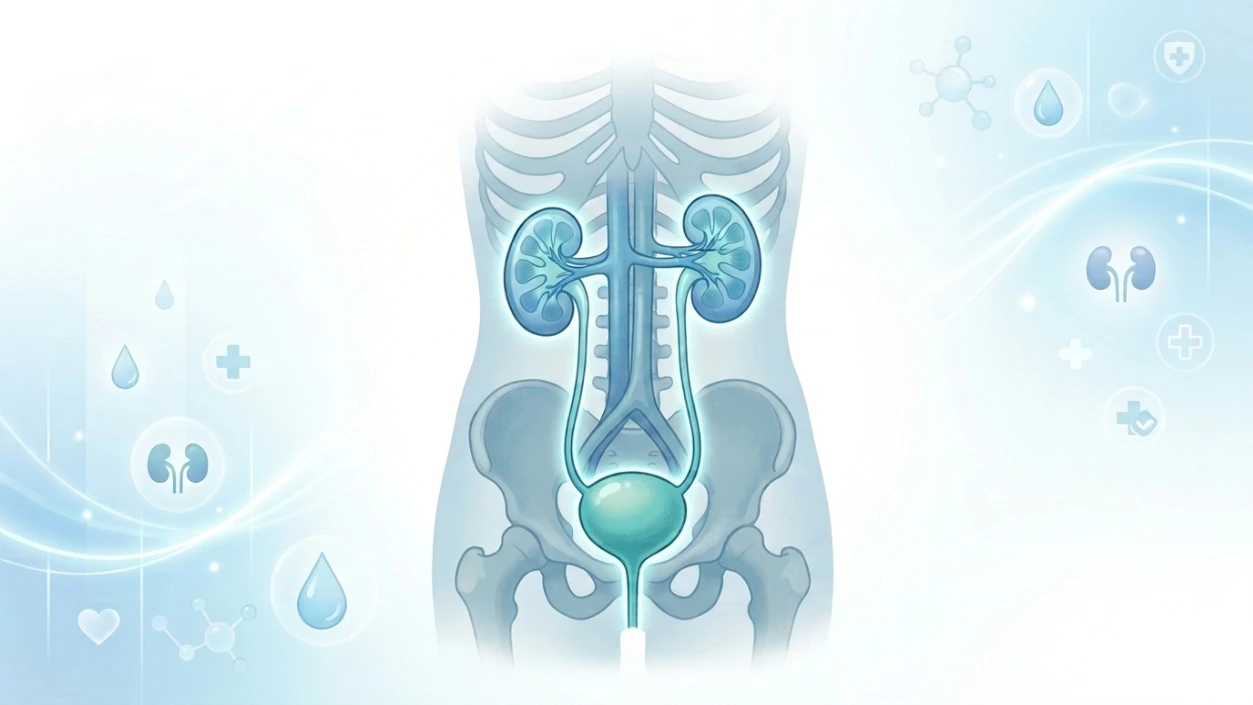
Most kidney infections start as a bladder infection that spreads upward through the ureters into one or both kidneys. Common contributing factors include:
- Bacteria entering the urinary tract, often from the digestive tract
- A urinary tract blockage, such as a kidney stone
- Structural issues in the urinary tract present from birth
- A weakened immune system
- Use of a urinary catheter
- Pregnancy related changes in the urinary tract
Women are more likely to develop kidney infections due to having a shorter urethra, which allows bacteria easier access to the bladder and kidneys.
Risk Factors That Increase Your Chances
Certain factors can raise your risk of developing a kidney infection, including frequent urinary tract infections, diabetes, an enlarged prostate in men, and any condition that makes it hard to fully empty your bladder. Knowing your personal risk factors can help guide prevention strategies with your provider.
How Are Kidney Infections Diagnosed?
Your provider will typically review your symptoms, check for fever and tenderness in your back or side, and test a urine sample for bacteria and white blood cells. In some cases, imaging tests may be used to check for blockages or other complications.
How Are Kidney Infections Treated?
Treatment is tailored to each patient based on the severity of the infection and overall health. Many people recover well with outpatient care and close follow up, while more severe infections may require closer monitoring. Your provider will explain the treatment approach that fits your specific situation, along with steps you can take at home, such as drinking plenty of fluids and resting.
It is important to complete your full course of treatment as directed, even if you start feeling better, to help fully clear the infection and reduce the chance of it returning.
Can Kidney Infections Be Prevented?
While not every kidney infection can be prevented, some habits may lower your risk, such as staying well hydrated, urinating when you feel the urge rather than holding it, and addressing bladder infections quickly before they have a chance to spread.
When to Seek Care
Contact a healthcare provider if you have fever along with back or side pain, or urinary symptoms that are not improving. Seek emergency care right away if you develop high fever, confusion, severe pain, or cannot keep fluids down.
How Associated Nephrology Consultants Can Help
Our nephrology specialists help patients understand the root cause of kidney infections and create a plan to protect long term kidney health. We are proud to serve patients across Maplewood and the greater Saint Paul, Minnesota area.
This article is for general education and is not a substitute for medical advice. Please talk with a qualified healthcare provider about your specific symptoms and treatment options.
Associated Nephrology Consultants (ANC)
1997 Sloan Place, Suite 17, Maplewood, MN 55117
Phone: 651-772-6251
Hours: Monday to Friday, 8:30 AM to 4:00 PM
Website: ancmn.com