
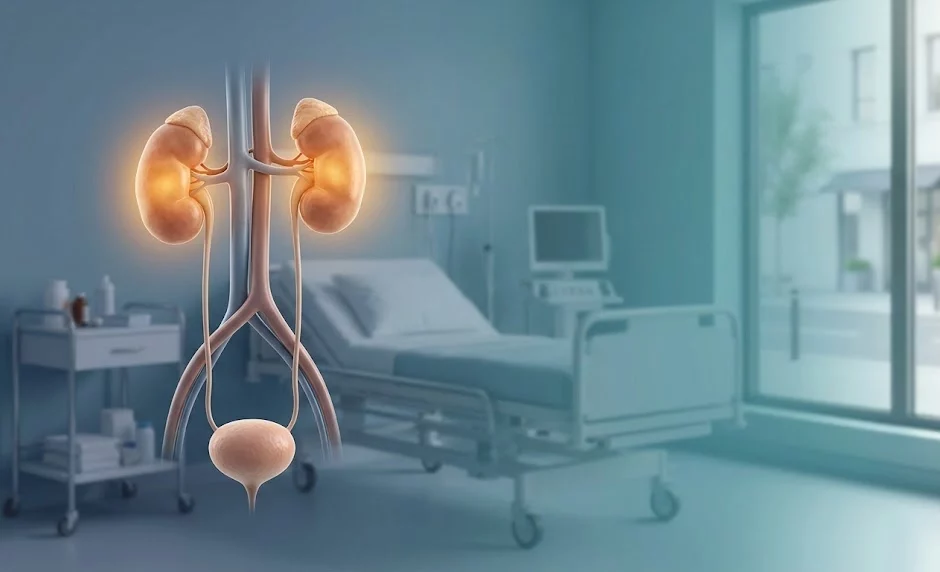
Understanding the Warning Signs of a Kidney Infection
Many people wonder how to tell if a sudden illness is something serious. It is common to ask whether a fever, chills, or a deep ache in your side requires a trip to the doctor. Finding yourself dealing with sudden physical discomfort can cause a lot of worry and stress.
This can feel confusing because some early signs mimic a standard stomach bug or a bad muscle strain. However, learning about kidney infection symptoms can help you protect your body and find relief quickly.
Your kidneys work incredibly hard every single day to keep your system clean and balanced. When a bacterial infection reaches these vital organs, your body reacts quickly to warn you. Recognizing these warning signs early is the absolute best way to prevent more severe complications from developing.
We want to reassure you that these infections are highly treatable when caught in time. Understanding what to watch for gives you the confidence to take action for your health. Small changes in how you feel should always be taken seriously.
What Is a Kidney Infection and Why Does It Occur?
A kidney infection is a specific type of urinary tract infection that requires careful medical attention. In medical terms, this condition is often referred to as pyelonephritis. It typically begins when common bacteria enter your bladder through the lower urinary tract.
If the bacteria are not cleared away quickly, they can travel upward through the tubes connecting your bladder to your kidneys. Once the bacteria settle in one or both of your kidneys, they cause inflammation and swelling.
Your kidneys act as your body’s natural filtration plant, processing hundreds of quarts of blood daily. They remove extra water and waste while keeping your fluids perfectly balanced. a bacterial invasion disrupts this essential cleansing process and makes your body work much harder to fight back.
This is why a kidney infection can make you feel completely exhausted and generally unwell all over. Understanding this context helps you realize why your body reacts so strongly to the condition.
Recognizing the Primary Symptoms of a Kidney Infection
Common physical signs to watch for include:
-
A sudden, high fever that comes on rapidly out of nowhere.
-
Shaking chills or feeling intensely cold even when wrapped in blankets.
-
A deep, throbbing pain in your back, side, or around your groin area.
-
Pain, burning, or a stinging sensation whenever you try to urinate.
-
Feeling the urge to urinate much more frequently than what is normal for you.
-
Urine that looks cloudy, smells unusually foul, or contains traces of pink blood.
-
Experiencing nausea, an upset stomach, or actual vomiting.
Symptoms of kidney infection in women can sometimes be noticed earlier because women are statistically more prone to lower urinary infections. In older adults, signs can vary significantly and might include sudden confusion or dizziness rather than a high fever.
It is vital to monitor how quickly these symptoms develop over a short period. Never ignore a combination of fever and localized back discomfort. Keeping a close eye on these physical changes keeps you one step ahead.
Primary Causes and Major Risk Factors
Key factors that increase your risk include:
-
Being Female: The female anatomy makes it much easier for bacteria to reach the bladder area.
-
Urinary Tract Blockages: Kidney stones or an enlarged prostate can slow down your normal urine flow.
-
Weakened Immune System: Living with conditions like diabetes can lower your body’s natural defenses.
-
Using a Catheter: Medical tubes used to drain the bladder can introduce bacteria directly into the tract.
-
Nerve Damage Around the Bladder: This can prevent you from emptying your bladder completely during the day.
-
Untreated Bladder Infections: Ignoring a simple urinary infection allows bacteria time to climb upward.
Understanding what leads to this condition helps you see the importance of prompt care. Many kidney infections are simply the result of a lower urinary issue that did not get cleared up in time.
When you know your personal risk factors, you can be more vigilant about your daily habits. Protecting your urinary tract from the bottom up is a wonderful shield for your kidneys.
Distinguishing Kidney Infections From Other Health Issues
People frequently confuse a kidney infection with a basic urinary tract infection. While they are related, a simple bladder infection does not cause a high fever, shaking chills, or deep back pain. Bladder issues usually stay confined to localized burning and frequency down below.
Another common mix up occurs between kidney infections and standard lower back pain. Back pain from a pulled muscle is usually a dull ache that gets worse when you bend, twist, or lift heavy objects. Kidney pain feels deep, steady, and does not change when you move your body.
Some individuals also mistake the nausea and fever of a kidney issue for a bad case of the stomach flu. The key difference is that the stomach flu typically includes diarrhea and lacks any urinary burning or side pain.
Knowing these direct comparisons helps lower your anxiety when you feel unwell. It allows you to describe your situation accurately to a professional so you can get the exact help you need.
When to Seek Professional Guidance From a Doctor
If you suspect you are experiencing signs of kidney infection, it is time to seek professional advice right away. This is not a condition that you should try to treat at home with rest or extra fluids alone.
Seeking timely guidance ensures you get an accurate assessment and a safe management plan from a dedicated team. Our providers at Associated Nephrology Consultants in Maplewood, MN are always here to help you navigate your kidney health safely.
Please seek immediate medical attention if your fever spikes dangerously high or if you cannot keep fluids down due to severe nausea. A noticeable worsening of side pain or passing visible blood in your urine also requires urgent medical evaluation.
For routine questions and comprehensive kidney checkups, regular visits keep you safe and fully informed. Families throughout the greater Saint Paul, Minnesota area can depend on us for compassionate, highly authoritative care.
Practical Tips for Prevention and Daily Management
Simple steps to help protect your urinary system:
-
Drink plenty of plain water every day to flush bacteria out of your urinary tract.
-
Always empty your bladder fully as soon as you feel the urge to go.
-
Practice good personal hygiene by always wiping from front to back after using the restroom.
-
Urinate shortly after sexual activity to help clear away any stray bacteria.
-
Avoid using harsh, perfumed soaps or bubble baths that can irritate sensitive areas.
-
Manage chronic conditions like diabetes carefully to keep your immune system strong.
Incorporating these basic habits into your daily routine offers great protection for your entire system. It keeps things moving smoothly and prevents bacteria from getting a foothold.
Always consult with a qualified healthcare provider before making major changes to your wellness routine. They can provide personalized advice that respects your unique medical history.
A Reassuring Conclusion for Your Healing Journey
Dealing with a sudden illness can feel frightening, but your body is incredibly resilient. Recognizing the symptoms of a kidney infection is the first major step toward feeling like yourself again.
With prompt care and the right support system, you can overcome this challenge and protect your long term vitality. We are entirely committed to walking alongside you with the compassion and care you deserve.
As your trusted local resource in the Saint Paul, Minnesota area, we are always here to answer your questions. Our team blends medical innovation with a warm, human touch to keep you moving forward safely.
Remember that paying attention to your body today ensures a healthier, brighter tomorrow. Rest up, stay positive, and never hesitate to reach out to us whenever you need expert guidance.
Frequently Asked Questions About Kidney Infections
Can a kidney infection go away on its own?
A kidney infection will almost never go away on its own and requires professional medical treatment. Ignoring the signs can lead to severe complications, including permanent kidney scarring or blood infections. Speaking with a qualified healthcare provider ensures you receive a safe and effective plan to clear the bacteria completely.
How long does it take to recover from a kidney infection?
Most people begin to feel noticeably better within a few days of starting proper medical care. However, full recovery can take one to two weeks depending on your overall health. It is essential to rest, drink plenty of water, and follow your provider’s instructions exactly during this time.
What is the main cause of a kidney infection?
The main cause of a kidney infection is bacteria entering the urinary tract through the urethra. These bacteria travel up to the bladder and then climb into the kidneys. The most common bacteria responsible for this issue is E. coli, which naturally lives in the digestive system.
Can men get kidney infections too?
Yes, men can absolutely get kidney infections, though it is less common than in women. In men, a kidney infection is often linked to an underlying issue, such as an enlarged prostate or a kidney stone. These conditions can block urine flow and allow bacteria to multiply safely.
Is a kidney infection the same as a kidney stone?
No, a kidney infection is an illness caused by bacteria, while a kidney stone is a hard mineral deposit. However, a kidney stone can block your urinary tract and trap bacteria, which can lead to an infection. Both conditions cause back pain but require completely different treatment strategies.
Where should I go for kidney care in Minnesota?
For comprehensive kidney care, you can visit Associated Nephrology Consultants located in Maplewood, MN. Our experienced team provides compassionate, personalized guidance for residents throughout the greater Saint Paul area. We can help monitor your long term kidney health and answer any questions you have.