
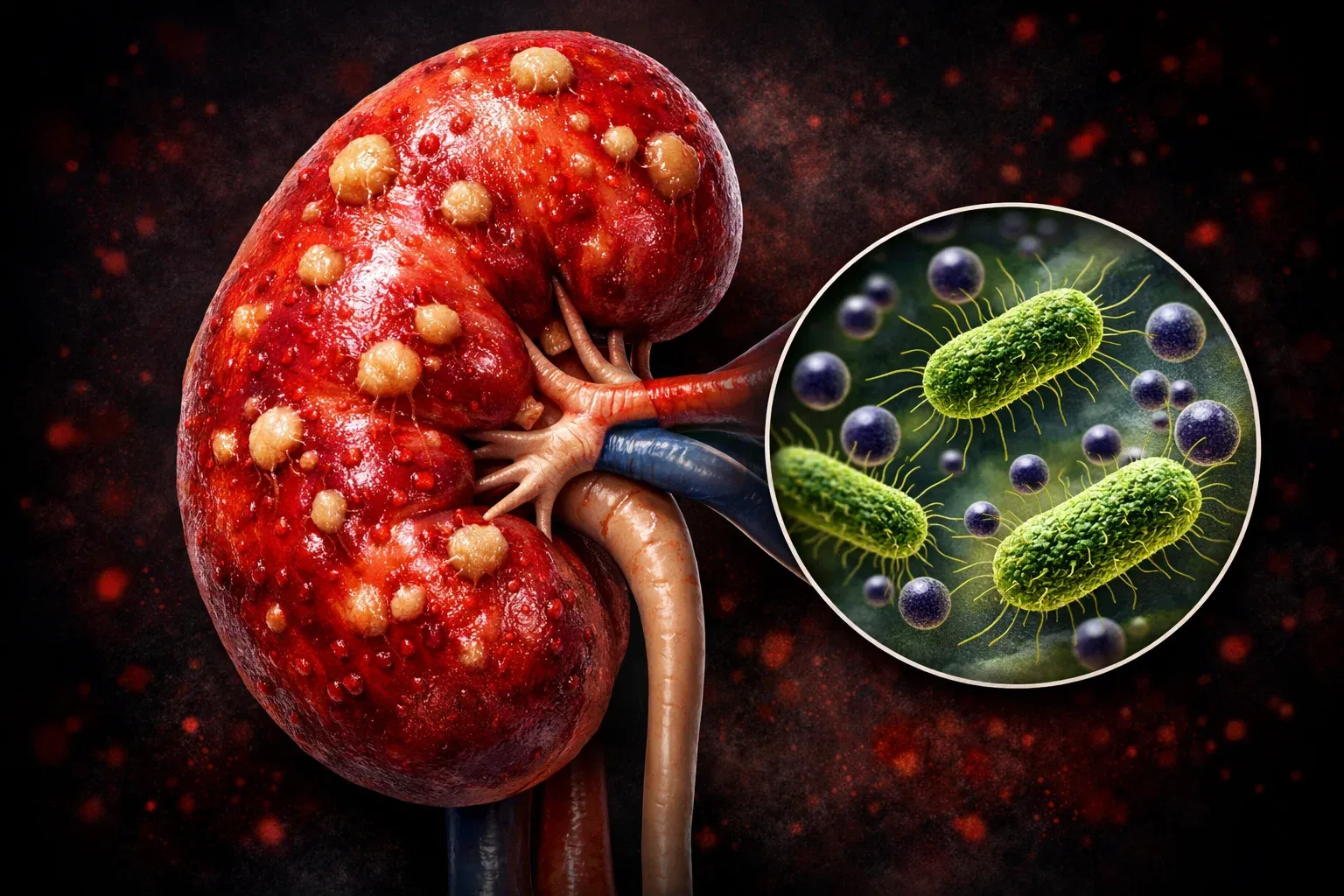
Kidney infections are a serious type of urinary tract infection that require medical attention. While many urinary infections affect the bladder, kidney infections occur when bacteria travel further into the urinary tract and reach the kidneys.
Understanding kidney infection treatment can help patients know what to expect and why early care is important. Prompt treatment can reduce symptoms, prevent complications, and support long term kidney health.
Quick Answer
Kidney infection treatment usually involves antibiotics to eliminate the bacteria causing the infection. Depending on the severity of symptoms, treatment may include oral medications, fluids, and rest. In more serious cases, hospital care and intravenous antibiotics may be required to control the infection.
How Kidney Infections Are Diagnosed
Before starting treatment, healthcare providers typically confirm the infection using several tests. Diagnosis helps determine the type of bacteria involved and the severity of the infection.
Common diagnostic steps include
• Urine tests to detect bacteria and infection
• Blood tests to check for signs of infection
• Imaging tests if complications are suspected
These tests allow doctors to choose the most appropriate treatment.
Antibiotics for Kidney Infection Treatment
Antibiotics are the most common treatment for kidney infections. These medications help eliminate the bacteria responsible for the infection.
Treatment usually involves
• Prescription antibiotics taken for several days or weeks
• Monitoring symptoms during treatment
• Follow up tests to ensure the infection has cleared
Most people begin to feel improvement within a few days after starting antibiotics.
Hospital Treatment for Severe Infections
Some kidney infections may require hospital care, especially if symptoms are severe or complications are suspected.
Hospital treatment may include
• Intravenous antibiotics
• Fluids to prevent dehydration
• Monitoring of kidney function
• Additional tests to identify underlying causes
Hospital care helps ensure the infection is treated quickly and effectively.
Recovery Time After Kidney Infection Treatment
Recovery time can vary depending on the severity of the infection and how quickly treatment begins.
Many patients start to feel better within a few days of treatment. However, it may take longer for fatigue and discomfort to fully improve.
Completing the full course of prescribed medication is important to prevent the infection from returning.
Possible Complications Without Treatment
Kidney infections should never be ignored. Without proper treatment, the infection can spread or cause damage to the kidneys.
Potential complications may include
• Infection spreading into the bloodstream
• Permanent kidney damage
• Recurrent infections
• Severe illness requiring hospitalization
Early treatment significantly reduces these risks.
Supporting Recovery and Kidney Health
Along with medical treatment, certain habits may support recovery and overall kidney health.
Helpful steps include
• Drinking enough water throughout the day
• Getting adequate rest
• Following medical instructions carefully
• Attending follow up medical appointments
These steps can help the body recover while protecting kidney function.
Why Early Treatment Matters
Recognizing symptoms and seeking treatment early can make a significant difference in recovery. Symptoms such as back pain, fever, nausea, or urinary discomfort should be evaluated by a healthcare provider.
Early care helps control infection quickly and reduces the risk of complications.
Frequently Asked Questions
How long does kidney infection treatment take
Most kidney infections require antibiotics for about one to two weeks. Some patients may begin to feel better within a few days, but completing the full course of medication is important to fully clear the infection.
Do kidney infections always require antibiotics
Yes. Kidney infections are caused by bacteria and usually require antibiotic treatment. Without antibiotics, the infection can worsen and lead to serious complications.
Can kidney infections be treated at home
Mild kidney infections may be treated with prescription antibiotics taken at home. However, severe infections may require hospital care and intravenous antibiotics.
What should I do during kidney infection recovery
During recovery, patients are often advised to rest, stay hydrated, and follow their healthcare provider’s treatment plan. Attending follow up appointments can help ensure the infection has cleared.
When should I seek medical care for kidney infection symptoms
You should seek medical care if you experience symptoms such as fever, severe back pain, nausea, vomiting, or urinary discomfort that continues to worsen. Early evaluation can help prevent complications.