
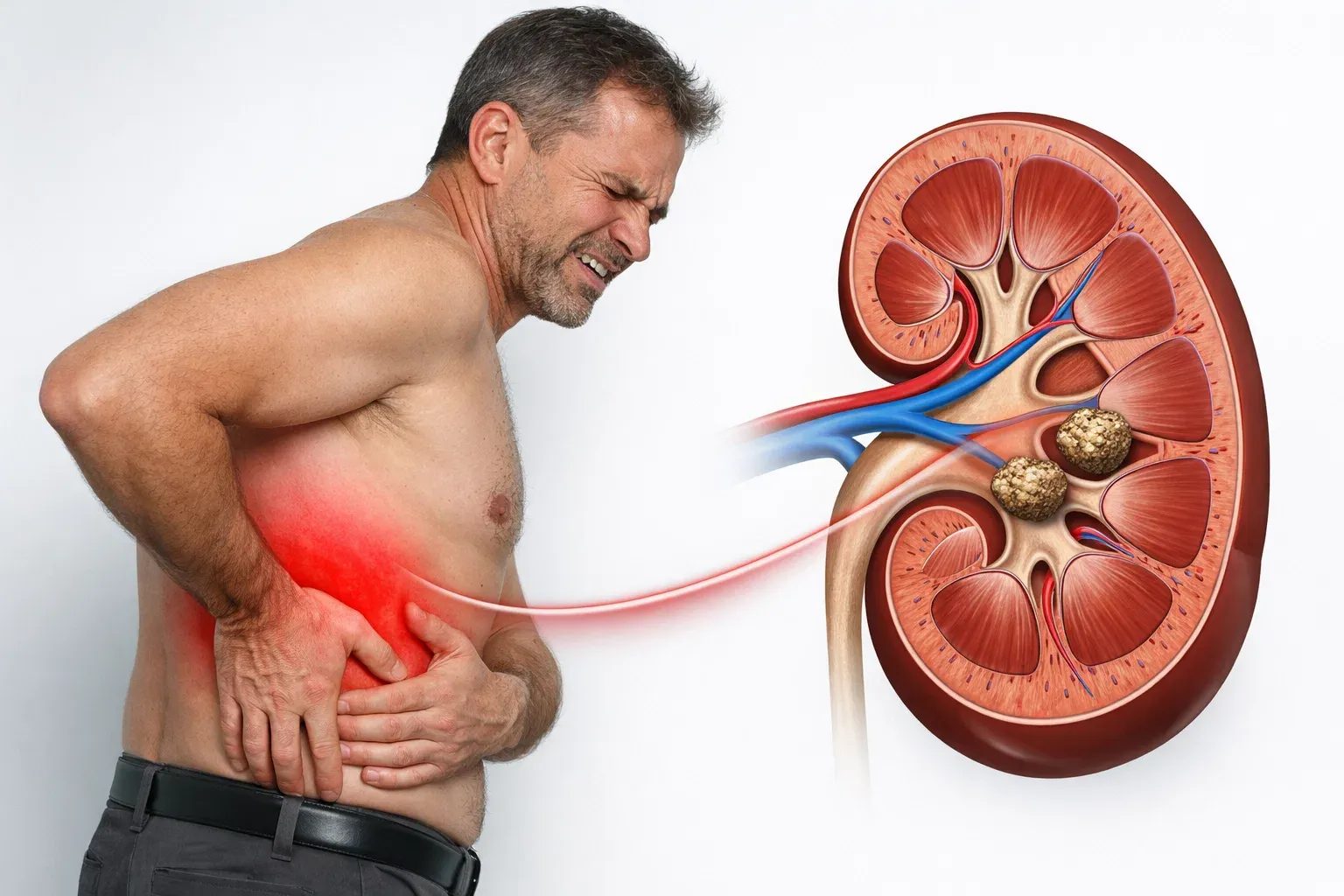
What Are the First Signs of Kidney Stones
Kidney stones are common and often painful. Many people worry they will not notice the early signs until the pain becomes intense. Knowing the first signs of kidney stones can help you get care earlier, lower the risk of complications, and talk confidently with your healthcare team, including specialists at Associated Nephrology Consultants.
Kidney stones begin forming when minerals and salts in the urine become too concentrated and start to clump together. These tiny crystals can grow into stones over time. Early signs are often subtle and can be easy to overlook, especially before a stone begins moving through the urinary tract.
Mild or Dull Discomfort in the Back or Side
One of the first signs many people notice is a dull ache or mild discomfort in the back or side. This sensation is usually just below the ribs where the kidneys are located. Early on, the discomfort may come and go and might be mistaken for muscle pain or soreness from lifting, exercising, or daily activities.
As the stone grows or begins to move, this discomfort can intensify.
Pain That Moves Toward the Lower Abdomen
As a kidney stone progresses from the kidney into the ureter, the tube that carries urine to the bladder, you may begin to feel the pain move. The sensation may shift toward the lower abdomen, groin, or inner thigh. This movement of pain is a key sign that the stone is causing irritation as it travels.
Many people describe this change in pain location as sudden or unexpected.
Changes in Urination
Early on, you may notice changes in your urination. These can include:
• A frequent urge to urinate even when little comes out
• Pain or burning during urination
• A feeling of pressure or discomfort when urinating
These symptoms occur when the stone disrupts normal urine flow or irritates the urinary tract.
Blood in the Urine
Another early sign of kidney stones can be blood in the urine. The urine may look pink, red, or brown. Sometimes the change is subtle and only shows up under a microscope, but other times it is clearly visible.
Blood in the urine is a sign that the stone may be scraping or irritating the lining of the urinary tract.
Nausea or Mild Upset Stomach
Some people experience nausea, vomiting, or a sick feeling in the stomach when a stone begins to move. The pain can trigger this response, and it can occur even before severe pain sets in.
Urine That Smells Strong or Appears Cloudy
Changes in the appearance or smell of urine can be an early clue. Urine that smells foul or looks murky may signal irritation or the beginnings of a urinary tract infection, which can occur alongside stones.
Feeling Restless or Unable to Find Comfort
Because kidney stone pain often comes in waves, some people find themselves pacing, shifting positions, or struggling to get comfortable long before the pain becomes intense. Restlessness may be an early indicator that something is not right.
When to See a Doctor
If you notice any of these early signs, it is wise to talk with a healthcare provider. Kidney stones can sometimes pass on their own, but early evaluation helps confirm the cause of your symptoms and guides the best plan for care.
You should seek medical attention if:
• Pain becomes intense or persistent
• You see blood in your urine
• You have fever or chills
• You have nausea or vomiting that prevents drinking fluids
• You have difficulty urinating
Healthcare professionals at Associated Nephrology Consultants can help diagnose kidney stones using imaging and lab tests. Once a diagnosis is made, they can guide pain management, treatment options, and prevention strategies to reduce the risk of future stones.
Understanding Your Risk and Prevention
Knowing the first signs is just one part of managing kidney stones. Staying well hydrated, maintaining a balanced diet, and working with your care team on personalized prevention strategies can make a real difference. Specialists at Associated Nephrology Consultants are equipped to help you identify your risk factors and create a plan that fits your lifestyle.
Early recognition of symptoms gives you an advantage. When you notice changes in your body, paying attention and seeking care can lead to quicker relief and better outcomes.