
Choosing the right nephrologist can be one of the most important decisions you make for your kidney health. Whether you’re dealing with chronic kidney disease, high blood pressure affecting your kidneys, or preparing for dialysis, having a trusted kidney specialist by your side helps you stay informed, confident, and supported.
In this guide, we’ll walk you through what a nephrologist does, key qualities to look for, and practical steps to help you find the best nephrologist in Minnesota for your unique needs.
What Is a Nephrologist?
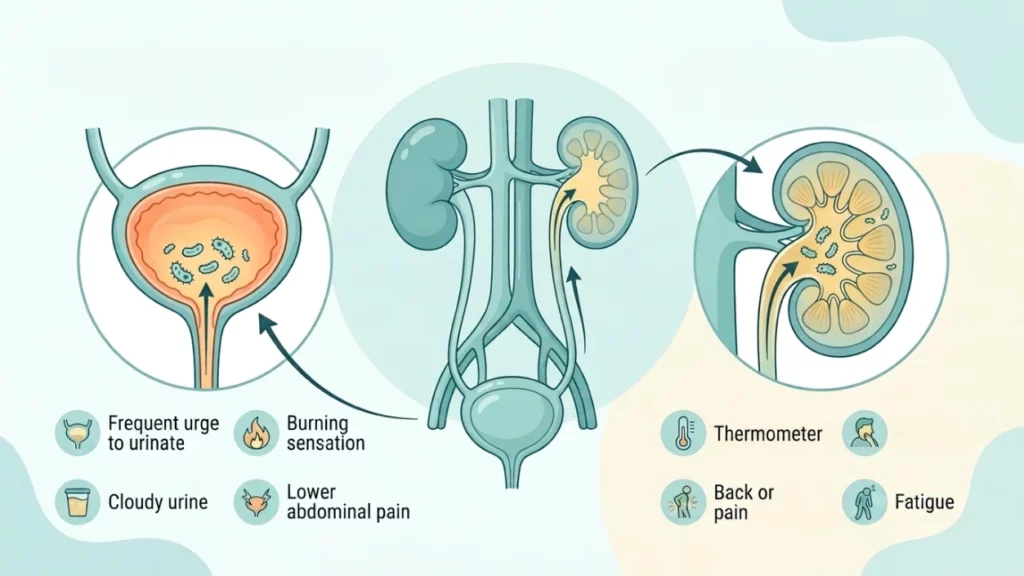
A nephrologist is a medical doctor who specializes in diagnosing and treating kidney diseases and related conditions. These specialists deeply understand how kidneys work, how to manage chronic kidney disease (CKD), and how to help patients navigate complex treatment options like dialysis and hypertension management.
Nephrologists differ from general physicians in that they focus specifically on kidney function and renal health. When it comes to care that directly impacts your kidneys, a nephrologist offers expertise many other doctors don’t.
Why Choosing the Right Nephrologist Matters
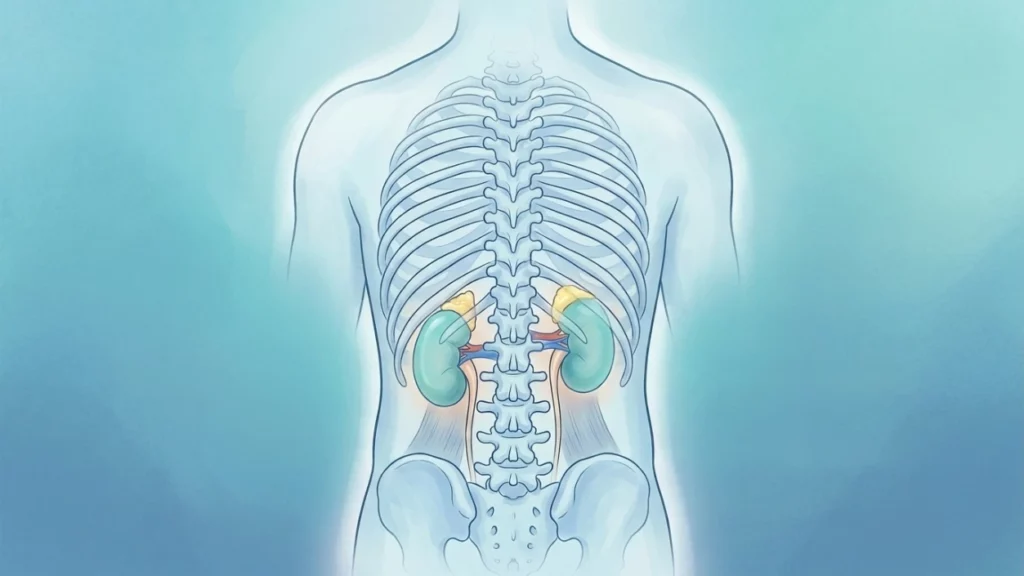
Your kidneys play a vital role in filtering waste, balancing fluids, regulating blood pressure, and supporting overall health. When they aren’t functioning properly, early guidance from a kidney expert can help slow disease progression, manage symptoms, and improve quality of life.
A skilled nephrologist not only treats medical issues but also:
Explains complex conditions in understandable terms
Works with you to build a personalized treatment plan
Collaborates with other specialists when needed
Supports your emotional and practical concerns
Choosing the best nephrologist means finding someone who listens, explains clearly, and treats you with respect and care.
Key Factors to Consider When Choosing a Nephrologist
1. Specialized Experience and Credentials
Look for nephrologists who are board‑certified and have extensive experience treating kidney conditions similar to yours. Certifications show a commitment to ongoing education and expertise in kidney care.
Ask about their experience with:
Chronic kidney disease (CKD)
High blood pressure related to kidney health
Dialysis planning and management
Electrolyte imbalances and renal complications
A doctor experienced in your specific condition will be better prepared to guide your treatment.
2. Communication Style and Compassion
Medical expertise is crucial, but so is the way your nephrologist communicates with you. The best nephrologists take time to listen, answer your questions, and explain medical information in clear, patient‑centered language.
When evaluating a potential provider, ask yourself:
Do they make you feel heard?
Do they explain things in a way you understand?
Are they patient and compassionate during conversations?
Trusting your nephrologist promotes better treatment adherence and greater peace of mind.
3. Treatment Philosophy and Approach
A great nephrologist believes in a collaborative approach working with you rather than at you. They should explain all treatment options, risks, and benefits, and include you in decisions about your care.
Find out how the nephrologist approaches:
Lifestyle changes and diet
Medication management
Preparing for procedures like dialysis
Monitoring kidney function over time
A treatment philosophy that aligns with your preferences and values helps you feel confident in your care.
4. Clinic Accessibility and Support Services
Convenience and ongoing communication matter, especially if you need frequent appointments, lab work, or dialysis planning.
Consider:
Clinic locations and travel time
Availability of support staff and care coordinators
Ease of scheduling appointments
Accessibility for follow‑ups and urgent questions
Supportive staff can make your experience smoother and more reassuring.
How to Find the Best Nephrologist in Minnesota
Ask for Referrals
Start with your primary care physician. They often know reputable nephrologists based on patient experiences and professional collaboration.
You can also ask family members, friends, or other healthcare providers for recommendations.
Check Credentials and Patient Reviews
Research potential nephrologists online. Look at:
Professional certifications
Years of experience
Patient reviews and testimonials
Patient feedback can give you insight into communication style, bedside manner, and overall satisfaction.
Prepare Questions Before Your First Visit
Before meeting a nephrologist, write down questions you want answered. Examples include:
What treatment approach do you recommend for my condition?
How often will I need to come in for appointments?
How do you support patients managing kidney disease long‑term?
Being prepared helps you understand whether the provider is the right fit for you.
How Associated Nephrology Consultants Can Help
At Associated Nephrology Consultants, our goal is to provide compassionate, expert kidney care to patients across Minnesota. We believe in listening, educating, and empowering you every step of the way.
Our nephrologists specialize in chronic kidney disease management, hypertension‑related kidney issues, dialysis planning, and ongoing support for your kidney health needs.
If you’re looking for a nephrologist who puts your well‑being first, we’re here to help.
Visit https://ancmn.com to learn more or schedule a consultation with one of our experienced kidney specialists.
Choosing the right nephrologist is a step toward better kidney health, and it starts with asking the right questions.